
Beautiful Plants For Your Interior
Beautiful Plants For Your Interior
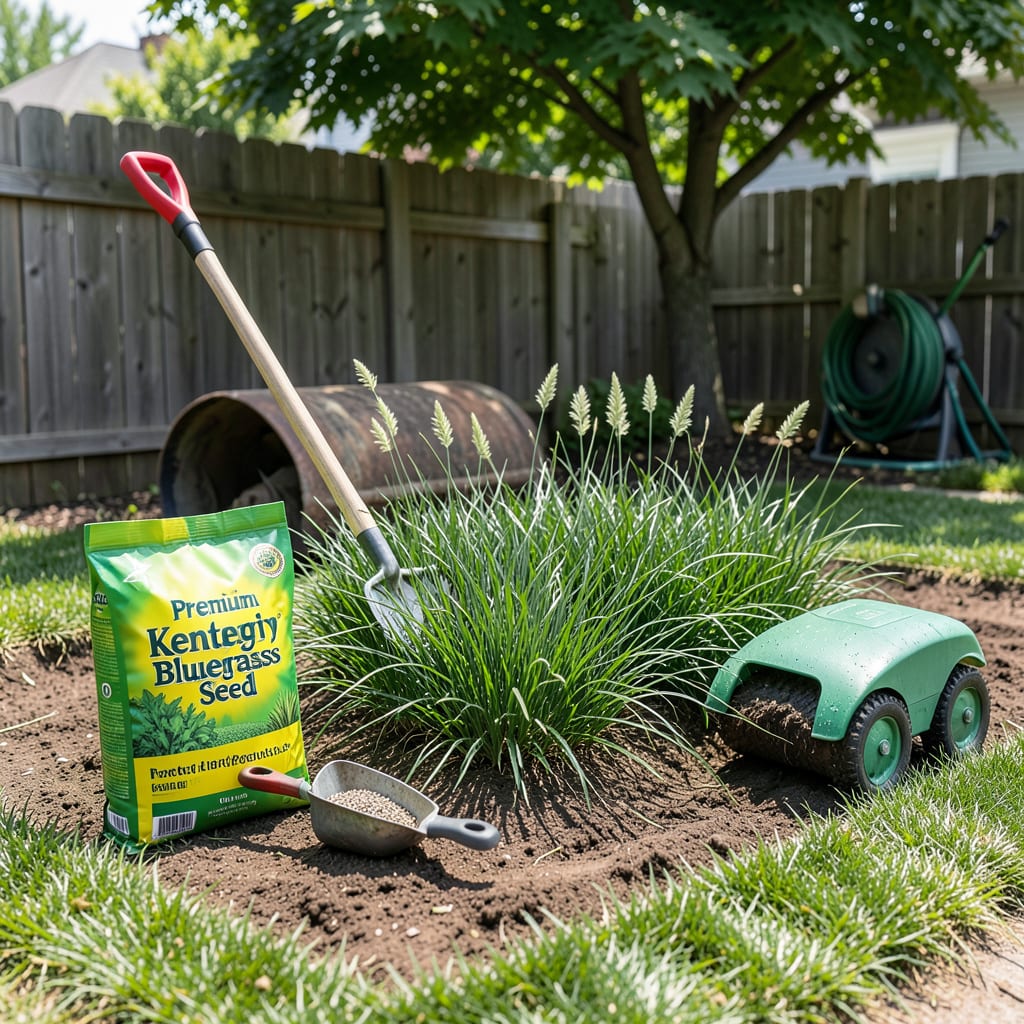
Timing your grass seed planting in North Carolina can mean the difference between a patchy yard and a lush, envy-worthy lawn. From the Piedmont’s rolling hills to the Coastal Plain’s sandy soils, each region demands a different approach—plant too early or too late, and you risk wasting months of effort.
I’ve tested the best windows for both cool-season and warm-season grasses, factoring in North Carolina’s unique frost dates and humidity. Whether you’re in Raleigh or Wilmington, I’ll show you the exact months to plant for faster germination and a thicker lawn. Let’s get your grass growing right.
If you’re in the Piedmont region—think Raleigh, Charlotte, or Greensboro—your grass seed timing hinges on two key factors: grass type and soil temperature. Cool-season grasses like tall fescue thrive when planted in early fall (September), while warm-season varieties like Bermuda or Zoysia prefer late spring (May). Why? It’s all about matching your seed to the Piedmont’s USDA Zones 7a-8a.
The Piedmont’s clay-heavy soil and moderate humidity create unique challenges. For example, fescue seed germinates best when soil temps hit 50–65°F, which typically happens in September–October. Plant too late, and frost could stunt growth. Plant too early, and summer heat may scorch tender sprouts. Timing here is everything.
Note: Soil temps are critical—use a soil thermometer for accuracy. Fall plantings benefit from cooler air temps and warm soil, ideal for root establishment before winter.
For cool-season grasses, I always recommend early fall planting in the Piedmont. The average first frost hits around October 15–November 1, so seeding by mid-September gives roots 6–8 weeks to establish. This timing also avoids competition with summer weeds like crabgrass, which die off as temps drop. Plus, fall rains often reduce your watering workload.
If you’re planting warm-season grasses like Bermuda or Zoysia, late spring to early summer is your sweet spot. Wait until soil temps consistently hit 70°F—usually by mid-May in the Piedmont. These grasses love the heat but need consistent moisture during germination. I’ve seen many lawns struggle because folks planted too early in cool, wet April soil.
Don’t overlook soil prep—it’s 50% of your success. In the Piedmont’s clay soil, I recommend aerating before seeding and top-dressing with ¼ inch of compost. This improves drainage and gives seeds better contact with soil. For warm-season grasses, a starter fertilizer (like 10-10-10) can boost early growth, but avoid heavy nitrogen until after germination.
Watering is another critical factor. New grass seed needs light, frequent watering—think mist settings 2–3 times daily to keep the top inch of soil moist. Once seeds sprout (usually in 7–14 days), shift to deeper, less frequent watering (1 inch per week) to encourage root growth. A rain gauge is a handy tool here—Piedmont summers can be unpredictable!
One mistake I see often? Mowing too soon. Wait until your new grass reaches 3–4 inches tall before the first cut, and never remove more than ⅓ of the blade height at once. For fescue, that means setting your mower to 2.5–3 inches; for Bermuda, 1–1.5 inches is ideal. Sharp mower blades are a must—dull blades tear grass, inviting disease.
Finally, consider overseeding if your lawn is thin. In the Piedmont, early fall is perfect for overseeding fescue into existing Bermuda lawns. The Bermuda goes dormant in winter, while the fescue stays green. Just be sure to scalp the Bermuda (mow it very short) first so sunlight reaches the new seeds. This trick gives you a year-round green lawn with minimal effort.
Remember, the Piedmont’s transition climate means you can grow both cool and warm-season grasses—but not in the same spot. Choose based on your lawn’s sun exposure and traffic levels. Fescue handles shade and foot traffic better, while Bermuda thrives in full sun and recovers quickly from wear. When in doubt, test a small area first to see what works best in your microclimate.
Planting grass seed along North Carolina’s Coastal Plain—from Wilmington to the Outer Banks—requires a different approach than the Piedmont. Here, the longer growing season, high humidity, and sandy soil create unique conditions. Warm-season grasses like Centipede, St. Augustine, and Zoysia dominate because they thrive in the heat and tolerate salt spray near the coast.
The key to success? Timing your planting around the heat and hurricane season. Unlike the Piedmont, coastal areas rarely see frost before November, giving you a wider window. But summer storms and salt exposure can derail even the best-laid plans if you’re not prepared. I’ll break down the best months and varieties for your coastal lawn.
Note: St. Augustine is ideal for salt-prone areas near the coast, while Centipede excels in low-maintenance lawns with sandy soil. Avoid Bermuda if you’re within ½ mile of the ocean—salt can damage it.
For coastal lawns, St. Augustine is my top pick if you’re near the beach. It handles salt spray and high humidity better than most grasses, and its thick blades crowd out weeds. Plant it in late spring (April–June) when soil temps reach 75°F. Just be aware it needs more water than Centipede or Zoysia, especially in the sandy soil common to barrier islands.
Centipede grass is another coastal favorite because it’s low-maintenance and thrives in acidic, sandy soil. The best time to plant is May–July, when daytime temps consistently hit 80°F. One warning: Centipede hates over-fertilizing. Stick to a light feeding in spring and avoid high-nitrogen fertilizers, which can burn it.
If you’re inland but still in the Coastal Plain—think Jacksonville or New Bern—Zoysia is a fantastic choice. It handles heat and humidity while requiring less water than St. Augustine. Plant it May–August, and you’ll get a dense, weed-resistant lawn. Zoysia does go brown in winter, but it greens up quickly in spring.
No matter which grass you choose, soil prep is critical in sandy coastal soil. I recommend mixing in 2–3 inches of organic matter (like peat moss or compost) before planting to improve moisture retention. A starter fertilizer with phosphorus (like 10-20-10) will help roots establish faster. And don’t skip the soil test—coastal soils often need lime to balance pH.
Watering is where many coastal lawns struggle. Sandy soil drains fast, so you’ll need to water daily for the first 2 weeks after planting—¼ inch per session to keep the top inch moist. Once established, deep watering 2–3 times per week (about 1 inch total) encourages deep roots. Morning watering is best to prevent fungal diseases in the humid air.
Finally, watch the hurricane season forecast (June–November). If a storm is approaching, avoid planting 2 weeks before—heavy rains can wash away seeds or drown new sprouts. After a storm, check for salt buildup in the soil. If you see white crust on the surface, flush the area with fresh water to protect your grass.
Planting grass seed in North Carolina seems straightforward—until you make one of these common mistakes that can ruin your lawn before it even starts. I’ve seen homeowners waste hundreds of dollars on seed and fertilizer because they overlooked key details. Let’s fix that.
First, ignoring soil tests is a recipe for failure. North Carolina’s soil varies dramatically—from the clay-heavy Piedmont to the sandy Coastal Plain. Without testing pH and nutrient levels, you might plant into soil that’s too acidic or lacks essential phosphorus. A simple $15 test kit from your local extension office can save you months of frustration.
Another big mistake? Choosing the wrong grass type for your region. In the Coastal Plain, planting Kentucky Bluegrass is almost guaranteed to fail—it can’t handle the heat and humidity. Stick with Centipede or St. Augustine for coastal areas. In the Piedmont, Tall Fescue is king for its drought tolerance and shade resilience.
I’ve also seen folks mow too soon, scalping new grass before roots establish. Wait until your lawn reaches 3–4 inches tall, then mow to 2–2.5 inches for fescue or 1–1.5 inches for Bermuda. Dull mower blades are another silent killer—they tear grass instead of cutting cleanly, leaving it vulnerable to disease.
Finally, don’t overlook weed control before planting. If you lay seed over a weedy lawn, you’re just feeding the competition. I recommend applying a pre-emergent herbicide (like prodiamine) 6–8 weeks before planting to kill weeds without harming new grass. For existing weeds, spot-treat with glyphosate and wait 2 weeks before seeding.
One last pro tip: Watch the weather. If heavy rain is forecast within a week of planting, delay seeding—washouts are a common issue in both the Piedmont and Coastal regions. Conversely, if a drought is predicted, plan to water deeply and mulch with straw to retain moisture. A little planning goes a long way in North Carolina’s unpredictable climate 🌱.
Early fall (September–October) is ideal for cool-season grasses in North Carolina. This timing allows roots to establish before winter while avoiding summer heat stress. In the Piedmont, aim to plant by mid-September for best results.
Yes, but wait until soil temps reach 70°F, typically mid-May in most of NC. Planting too early in cool soil can lead to poor germination. Bermuda and Zoysia thrive when planted in late spring to early summer.
Keep the top inch of soil consistently moist by watering 2–3 times daily with light misting. After germination (usually 7–14 days), shift to 1 inch per week of deeper watering. A rain gauge helps track moisture accurately.
Skipping soil prep—especially in NC’s clay or sandy soils. Always aerate and add ¼ inch of compost before seeding. Another common error? Planting at the wrong depth; seeds need ¼ inch coverage for optimal germination.
St. Augustine excels near the coast due to its salt tolerance and humidity resilience. For low-maintenance options, Centipede thrives in sandy soil. Avoid Kentucky Bluegrass—it struggles with coastal heat and salt exposure.
