
Beautiful Plants For Your Interior
Beautiful Plants For Your Interior
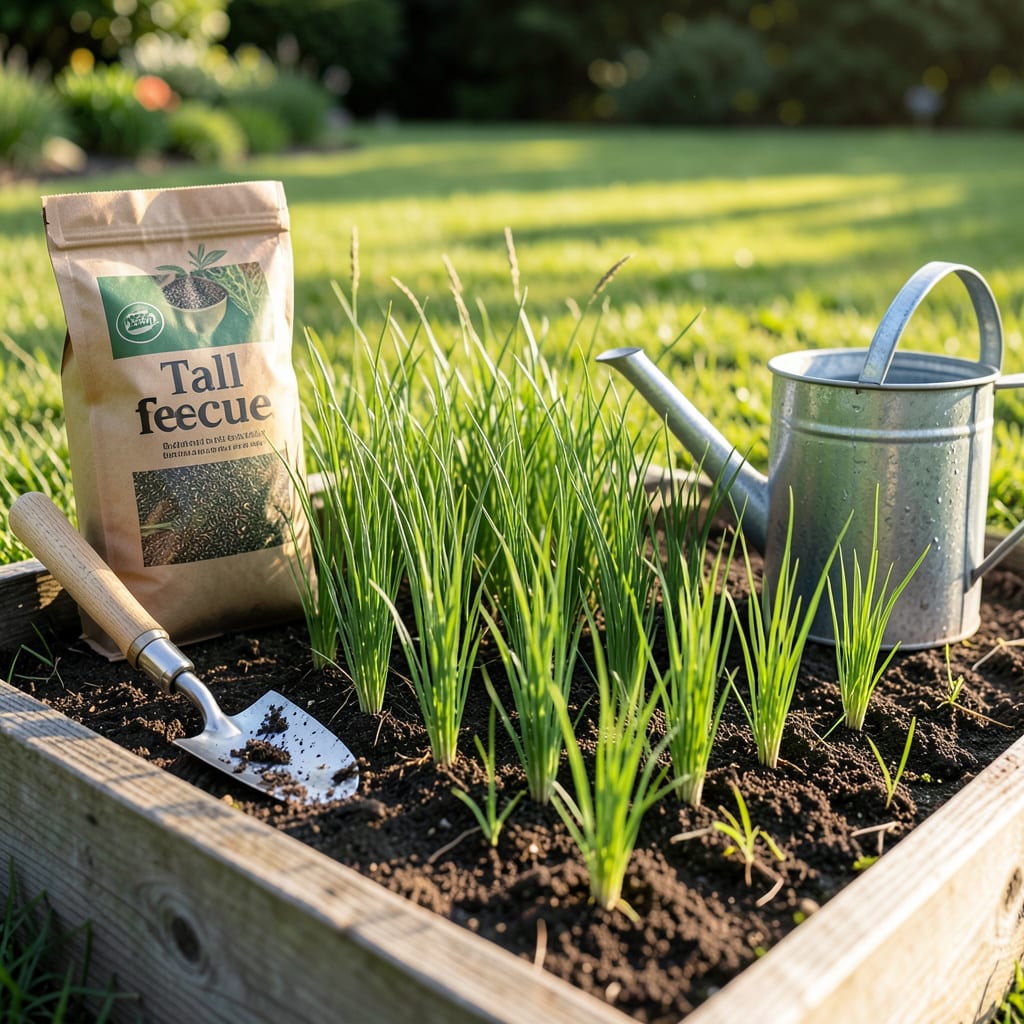
That perfect North Carolina lawn doesn’t happen by accident—it starts with one critical decision: when to plant your grass seed. Time it wrong, and you’re battling frost, drought, or patchy growth before you even begin.
After years of testing and tweaking, I’ve nailed down the exact spring window for Piedmont, Coastal, and Mountain regions. Whether you’re in Raleigh or Wilmington, I’ll show you how to sync with soil temps and frost dates for a lawn that thrives—not just survives. Let’s get it right the first time.
If you’re dreaming of a lush, green lawn this year, timing your grass seed planting in North Carolina is crucial. Spring offers a prime window, but the optimal dates vary dramatically across our state’s three regions. Plant too early, and a late frost could wipe out your seedlings. Wait too long, and summer heat may stress young grass before it establishes.
I’ve found that soil temperature is your best guide—aim for 50–55°F for cool-season grasses like Tall Fescue or 60°F+ for warm-season varieties like Bermudagrass. But NC’s diverse climate means what works in Wilmington won’t fly in Boone. Let’s break down the perfect planting windows for your area.
| Region | Best Planting Window | Soil Temp Target | Last Frost Date | Recommended Grass Types |
|---|---|---|---|---|
| Coastal (Wilmington, Outer Banks) | March 15–April 15 | 55–65°F | March 28 | Bermudagrass, Zoysia, Centipede |
| Piedmont (Raleigh, Charlotte) | March 25–April 20 | 50–60°F | April 15 | Tall Fescue, Kentucky Bluegrass |
| Mountains (Asheville, Boone) | April 10–May 5 | 50°F+ | May 1 | Fine Fescue, Ryegrass blends |
*Soil temps measured at 2″ depth. Adjust for microclimates (urban areas may be 1–2 weeks earlier).
In the Coastal Plain, you can start as early as mid-March thanks to milder winters and sandy soils that warm quickly. I recommend Bermudagrass here—it thrives in heat and handles salt spray near the coast. Just watch for late cold snaps; cover new seedlings if temps dip below 40°F.
The Piedmont region is trickier with its clay soils and unpredictable frosts. Here, Tall Fescue reigns supreme for its drought tolerance. Wait until late March or early April when soil temps hit 50°F. Pro tip: Use a soil thermometer—don’t guess! The NC State Extension office offers free soil testing to check pH and nutrients.
Mountain gardeners face the shortest window due to cooler temps and higher elevation. I’ve seen frost in Boone as late as Mother’s Day! Stick to cool-season grasses and plant between April 10–May 5. Consider overseeding with annual ryegrass for quick cover while your permanent grass establishes.
No matter your region, soil prep is non-negotiable. Test your soil’s pH (ideal: 6.0–7.0), aerate compacted areas, and add 1–2 inches of compost before seeding. I like to use a core aerator to ensure good seed-to-soil contact. Remember: bare spots in your lawn are opportunities for weeds!
After planting, keep the soil consistently moist (not soggy) for 2–3 weeks. Water lightly daily until germination, then taper to 1 inch per week. Early morning watering reduces fungal risks. And resist the urge to mow until grass reaches 3–4 inches tall—this gives roots time to establish.
For those in urban heat islands like Charlotte or Raleigh, you might push your planting date 7–10 days earlier than rural areas. Conversely, shady yards or north-facing slopes may need to wait a week longer. When in doubt, check the NC Cooperative Extension’s weekly ag reports for hyper-local advice.
If you miss the spring window, don’t panic! Early fall (September) is actually the best time to plant cool-season grasses in NC. But for warm-season grasses like Bermudagrass, spring is your only shot—these varieties won’t germinate in cool fall soils. Plan accordingly!
Even with perfect timing, your NC lawn can fail if you fall into these three common traps. I’ve seen countless homeowners sabotage their grass before it even sprouts—usually by overlooking simple but crucial details. Let’s fix that before you waste money on seed and fertilizer.
The biggest mistake? Planting before soil is ready. In the Piedmont, I’ve watched eager gardeners sow seed in early March, only to lose it all to a late frost. Remember: soil temp matters more than calendar dates. Use a $10 soil thermometer—it’s cheaper than replanting!
In the Coastal region, humidity creates a perfect storm for fungus. I’ve lost count of how many Wilmington lawns I’ve seen ruined by dollar spot or brown patch because folks watered at night. Always water before 10 AM to let grass dry before evening.
The Piedmont’s clay soil is another silent killer. Without proper prep, water pools on top while roots suffocate below. Before seeding, aerate compacted areas and mix in 1-2 inches of compost. Trust me—this step separates thriving lawns from muddy disasters when summer storms hit.
Mountain gardeners often underestimate elevation‘s impact. In Boone, a May 1 planting might still face frost, while Asheville’s urban areas could be safe by April 10. Always check your specific microclimate—the NC Cooperative Extension’s frost maps are gold for this.
Here’s my pro move: After seeding, cover with a light straw mulch (not hay!). This keeps soil moist, protects seeds from birds, and prevents crusting. Remove it once grass reaches 2 inches tall. And whatever you do, don’t mow until grass is 3-4 inches—early cutting weakens root systems.
If you’ve already made these mistakes, don’t panic. For patchy areas, overseed with a quick-germinating ryegrass blend as a nurse crop. For fungal issues, apply copper-based fungicides at first sign. And if soil tests show imbalances, fall is perfect for correcting pH—your lawn will thank you next spring!
Choosing the right grass seed for your NC lawn isn’t just about looks—it’s about survival. Our state’s wild climate swings demand varieties that can handle Piedmont droughts, Coastal humidity, and Mountain chills. After testing dozens of blends, I’ve narrowed it down to the top performers for each region.
The gold standard for most of NC is Tall Fescue—it laughs at drought, resists diseases, and stays green year-round in the Piedmont. But if you’re near the coast, Bermudagrass thrives in heat and recovers from foot traffic like a champ. Mountain folks should look at Fine Fescue blends for their shade tolerance and cold hardiness.
| Grass Type | Best For | Germination Time | Sun Needs | Water Needs | Maintenance |
|---|---|---|---|---|---|
| Tall Fescue | Piedmont (drought-prone) | 10–14 days | 6+ hours sun | Moderate (drought-tolerant) | Low (mow 3–4″) |
| Bermudagrass | Coastal (heat/humidity) | 7–10 days | Full sun (8+ hours) | High (needs 1.5″ weekly) | High (mow 1–2″) |
| Kentucky Bluegrass | Mountains (cool seasons) | 14–21 days | 6+ hours sun | Medium (1″ weekly) | Medium (mow 2–3″) |
| Zoysia | Coastal/Piedmont (transition) | 14–21 days | Full sun (6+ hours) | Low (drought-resistant) | Medium (mow 1–2″) |
| Fine Fescue Blend | Mountains (shade/cold) | 10–14 days | Partial shade (3–4 hours) | Low (0.75″ weekly) | Low (mow 3–4″) |
*Germination times assume ideal soil temps (50–65°F) and consistent moisture. Add 3–5 days in cooler Mountain areas.
For Piedmont lawns, I swear by Turf-Type Tall Fescue blends like ‘Titan’ or ‘Wolfpack’. These varieties have deep roots that tap into moisture during summer dry spells. Pair them with 10% Kentucky Bluegrass for quicker establishment and self-repair. Just be sure to aerate annually—our clay soil compacts easily.
Coastal gardeners should consider hybrid Bermudagrass like ‘TifTuf’—it’s bred for salt tolerance and recovers from hurricane damage faster than traditional varieties. For shady coastal yards, mix in 20% St. Augustinegrass for better coverage under trees. Remember: never plant Bermudagrass in the Mountains—it won’t survive winter.
In the Mountains, Fine Fescue mixes (like ‘Shadow Turf’) excel in partial shade and poor soil. For sunnier spots, Kentucky Bluegrass blends with 10% Perennial Ryegrass give quick cover and winter hardiness. Mountain soils are often acidic—test your pH and add pelletized lime if below 6.0 before planting.
No matter your region, seed quality matters. Always check the label for pure live seed percentage (aim for 90%+) and weed seed content (should be 0.5% or less). I recommend NC-certified seeds from local nurseries—they’re adapted to our climate. For best results, use a drop spreader for even coverage at 6–8 lbs per 1,000 sq ft.
🌱Aim for 50–60°F at 2″ depth—typically reached by late March to early April. Use a soil thermometer for accuracy, as air temps can be misleading. Piedmont’s clay soil warms slower than Coastal sands, so patience pays off.
Resist the urge! Even if air temps hit 70°F, soil temps often lag behind. A late frost (common until April 15 in Raleigh) can wipe out tender seedlings. Wait until soil stays above 50°F for 5+ days.
Keep soil consistently moist (not soggy) with light daily watering until germination (~14 days). Then taper to 1 inch per week. Early morning (before 10 AM) is ideal to prevent fungal issues.
Mix 70% Bermudagrass (for sun) with 30% St. Augustinegrass (for shade). This combo handles salt spray and partial shade better than pure Bermudagrass. Avoid Tall Fescue—it struggles with Coastal humidity.
For cool-season grasses (Fescue/Bluegrass), switch to early fall planting (September). Warm-season grasses (Bermuda/Zoysia) must go in by May 15—after that, wait until next spring.
