
Beautiful Plants For Your Interior
Beautiful Plants For Your Interior
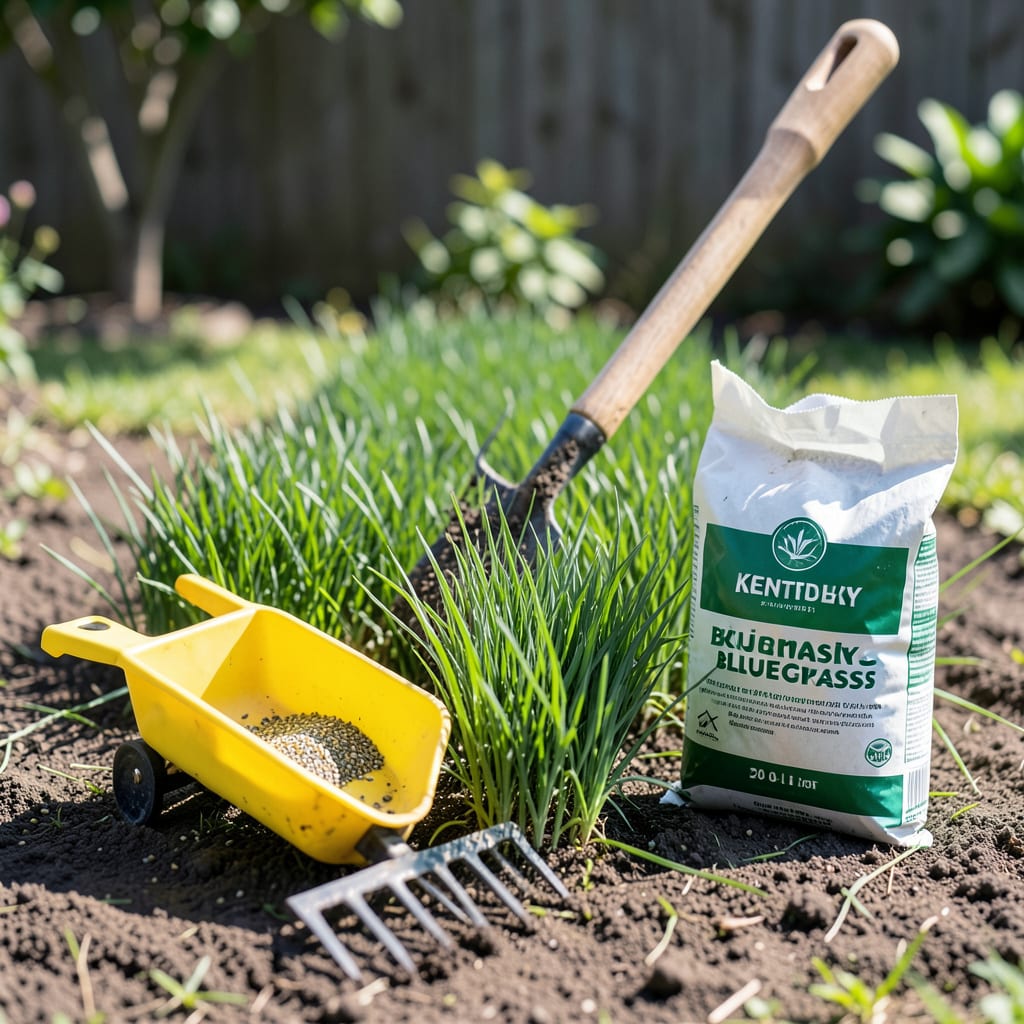
Montana’s unpredictable weather can turn lawn dreams into nightmares—plant your 🌱 grass seed too early, and frost might wipe it out. Too late? Drought could ruin germination before roots even take hold.
After years of testing what works in Big Sky Country’s USDA zones 3a-5b, I’ve nailed the perfect timing. Whether you’re in Billings or Missoula, I’ll show you exactly when to plant for a lawn that thrives—not just survives. Let’s get started.
Montana’s diverse climate zones make timing everything when planting grass seed. In the eastern plains, where temperatures swing dramatically, late summer to early fall (August–September) is ideal. This gives roots time to establish before winter’s first frost hits in mid-September.
Meanwhile, western Montana’s higher elevations and cooler summers shift the window slightly. Here, aim for late July to mid-August to avoid early frosts. Soil temperature is key—wait until it’s consistently 50–65°F for best germination.
| Region | Best Planting Window | First Frost Date | Recommended Grass Types |
|---|---|---|---|
| Eastern MT (Billings, Miles City) |
August–September | Mid-September | Kentucky Bluegrass, Tall Fescue |
| Western MT (Missoula, Kalispell) |
Late July–August | Early September | Fine Fescue, Perennial Ryegrass |
| High-Altitude (Bozeman, Helena) |
Early August | Late August | Drought-Tolerant Mixes |
In eastern Montana, Kentucky Bluegrass thrives due to its cold hardiness and ability to recover from drought. For western regions, Fine Fescue is a top pick—it handles shade and poor soil better than other varieties.
Soil prep is non-negotiable. Test your soil’s pH (aim for 6.0–7.0) and amend with compost if needed. Montana’s clay-heavy soils benefit from gypsum to improve drainage before seeding.
Watering is critical in the first 2–3 weeks. Keep soil moist but not soggy—about 1 inch per week, including rainfall. Morning watering reduces evaporation and fungal risks, especially in dry Montana summers.
Watch for false starts—a warm spell in early spring might tempt you, but late frosts can wipe out tender seedlings. Stick to fall planting unless you’re prepared for extra protection like frost blankets.
If you’re in Zone 3a (northern Montana), your growing season is shorter. Prioritize fast-germinating seeds like Perennial Ryegrass, which establishes in 5–10 days under ideal conditions.
For southern Montana (Zone 5b), you’ve got a bit more flexibility. Early fall or late summer both work, but avoid July’s heat waves, which can stress young grass. Mulch with straw to retain moisture.
Pro tip: Use a soil thermometer to check temps at 2-inch depth. If it’s below 50°F, hold off—seeds won’t germinate. Montana’s microclimates vary wildly, so adjust based on your specific location.
Finally, avoid late fall planting. Seeds need 6–8 weeks to establish before frost. If you miss the window, dormant seeding in November can work—seeds will germinate when soil warms in spring.
Planting grass seed in Montana isn’t just about timing—it’s about avoiding the critical mistakes that can derail your lawn before it even starts. I’ve seen too many gardeners waste seed and effort by overlooking Montana’s unique challenges, from unpredictable frosts to dry spells.
One of the biggest errors? Ignoring soil temperature. Even if the calendar says it’s time, cold soil (below 50°F) means seeds won’t germinate. Always check with a soil thermometer at 2-inch depth before planting.
Another common blunder is misjudging frost dates. Montana’s first frost can arrive as early as mid-August in high-altitude areas (like Bozeman). If you plant too late, seeds won’t establish before winter. Always count backward 6–8 weeks from your average first frost date.
Poor seed selection is a game-ender. Not all grass thrives in Montana’s short growing season and cold winters. Avoid warm-season grasses like Bermuda—they’ll die in Zone 3a. Stick to cool-season varieties like Kentucky Bluegrass or Fine Fescue, which handle sub-zero temps.
Forgetting about weeds is another costly mistake. Montana’s native weeds (like cheatgrass) can choke out new grass. Apply a pre-emergent herbicide 4–6 weeks before planting, or use a starter fertilizer with weed control (like Scotts Turf Builder Starter Food for New Grass).
Finally, neglecting post-planting care dooms many lawns. New grass needs consistent moisture for 2–3 weeks. Set up a sprinkler timer for early morning watering (5–8 AM) to reduce evaporation and fungal risks. Once established, mow high (3–4 inches) to encourage deep roots and crowd out weeds.
If you’ve already made a mistake, don’t panic. For late-planted seed, cover the area with straw mulch to insulate soil and retain moisture. If frost damages seedlings, overseed in early fall with a fast-germinating mix like Perennial Ryegrass, which sprouts in 5–10 days.
Not all grass seed can handle Montana’s harsh winters, short growing season, and dry summers. After testing dozens of varieties, I’ve narrowed it down to three winners that consistently perform across the state’s USDA zones 3a–5b. These picks balance cold hardiness, drought tolerance, and low maintenance.
First up is Kentucky Bluegrass, the gold standard for Montana lawns. It thrives in eastern regions like Billings, where its deep root system helps it bounce back from drought. Just be sure to water deeply during establishment—it needs 1–1.5 inches per week for the first month.
For western Montana’s cooler, wetter climate, Fine Fescue is my top recommendation. This shade-tolerant grass handles poor soil and less sunlight (4+ hours) better than most. It’s also low-maintenance, requiring 20% less water than Kentucky Bluegrass once established. Perfect for Missoula’s tree-lined yards.
If you need fast results, Perennial Ryegrass germinates in just 5–10 days—ideal for late-season planting or repairing bare spots. It’s disease-resistant and handles foot traffic well, making it great for families. The trade-off? It’s less cold-hardy than Kentucky Bluegrass, so mix it with other varieties for winter resilience.
No matter which you choose, soil prep is critical. Montana’s clay-heavy soil can suffocate roots, so till in 2–3 inches of compost before seeding. For high-altitude areas (like Bozeman), add peat moss to improve drainage and moisture retention. Always test your soil’s pH—Montana soils often need lime to reach the ideal 6.0–7.0 range.
Finally, match your grass to your lifestyle. Busy? Fine Fescue needs less mowing. Have kids or pets? Perennial Ryegrass handles wear. Want a picture-perfect lawn? Kentucky Bluegrass delivers—but demands more care. Whichever you pick, plant 6–8 weeks before first frost for best results 🌱.
Grass seed germinates best when soil temps hit 50–65°F at 2-inch depth. Use a soil thermometer to check—Montana’s clay soils warm slower in spring, so fall planting is often safer.
Spring planting is risky in Montana due to late frosts (common through May). If you must, wait until soil temps stay above 50°F for 7+ days and use frost blankets for protection. Fall remains the safest bet.
Cover freshly seeded areas with straw mulch (¼ inch thick) to retain moisture. Water 2–3 times weekly in short bursts to prevent runoff. Windbreaks or burlap screens help in exposed areas.
Kentucky Bluegrass thrives in Zone 3a (down to -30°F) and recovers well from drought. For shade or poor soil, Fine Fescue is a low-maintenance alternative. Mix varieties for resilience.
Seed needs 6–8 weeks to establish before first frost. In most of Montana, aim to finish planting by early September. For late starts, try dormant seeding in November—seeds germinate in spring.
