
Beautiful Plants For Your Interior
Beautiful Plants For Your Interior
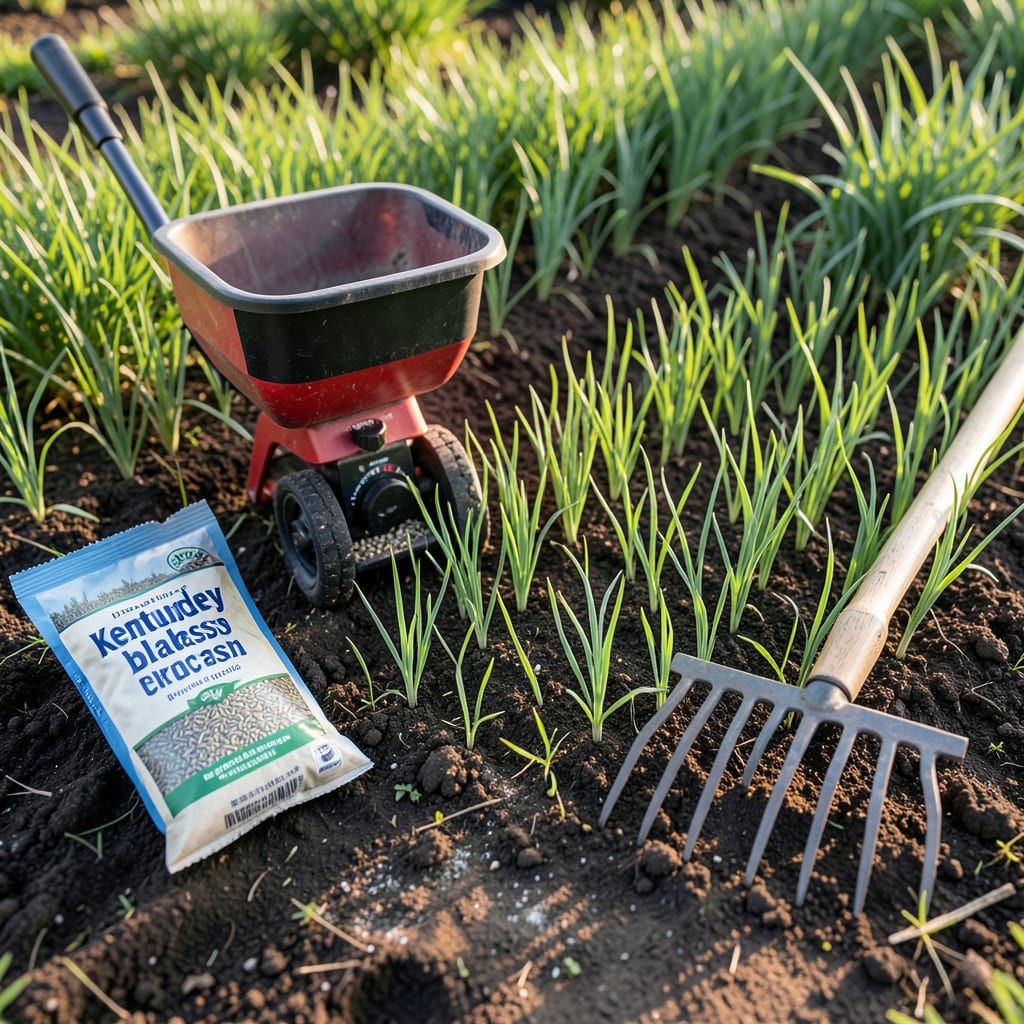
Timing your 🌱 grass seed planting in Massachusetts can feel like a gamble—plant too soon, and frost might wipe out your efforts; wait too long, and summer heat could stunt growth. But here’s the good news: there’s a perfect spring window for lush, resilient lawns.
After testing different approaches in zones 6a-7b, I’ve nailed down the ideal timing and prep steps. Whether you’re in Boston or the Berkshires, I’ll show you exactly when to plant and how to set your lawn up for success—no guesswork required.
If you’re eager to transform your Massachusetts lawn this spring, timing your grass seed planting is everything. Plant too early, and a late frost could wipe out your efforts. Wait too long, and summer heat might stress young seedlings. The sweet spot? Mid-April to early May for most regions.
Massachusetts spans USDA Zones 5b-7a, meaning frost dates vary. Coastal areas like Cape Cod warm up faster, while Western MA (Berkshires) stays cooler longer. I always check soil temperature—it should be consistently 50–65°F at a 2-inch depth before planting.
| Region | Safe Planting Window | Last Frost Date | Soil Temp Threshold | Risk Factors |
|---|---|---|---|---|
| Coastal MA (Cape Cod, Boston) | April 1–20 | April 10–15 | 50°F+ by early April | Salt spray, sandy soil |
| Central MA (Worcester, MetroWest) | April 15–May 1 | April 20–25 | 50°F+ by mid-April | Late frosts, clay soil |
| Western MA (Berkshires, Pioneer Valley) | May 1–15 | May 5–10 | 50°F+ by late April | Cooler temps, shorter season |
💡 Pro Tip: Use a soil thermometer ($10 at garden centers) to check temps at 2″ depth.
For Boston and eastern MA, I start prepping my lawn in late March—aerating, raking debris, and testing soil pH (aim for 6.0–7.0). But I never plant seed before April 1 unless I’m using a cold-tolerant mix like Tall Fescue.
In Western MA, the rule is simple: wait until after Mother’s Day if you’re in higher elevations. The Berkshires can dip below freezing until early May, and young grass can’t handle that. I’ve seen new lawns ruined by a late frost—it’s not worth the risk!
Coastal areas have a longer window but face sandy soil challenges. If you’re on Cape Cod, mix seed with compost or peat moss to improve moisture retention. And watch the weather—heavy spring rains can wash away unestablished seed.
Here’s my foolproof
Planting grass seed in Massachusetts spring seems straightforward—until you make one of these costly mistakes. I’ve seen too many homeowners waste time and money by overlooking key details. The good news? Every pitfall has an easy fix if you know what to watch for.
First, never plant before soil reaches 50°F. Even if air temps feel warm, cold soil stalls germination or kills seedlings. I use a $10 soil thermometer to check at 2-inch depth. If it reads below 50°F, wait—no exceptions. Coastal areas warm faster, but Western MA often lags by 2–3 weeks.
💡 Pro Tip: Set phone reminders for watering and mowing—new lawns need consistency!
Overwatering is the #1 killer of new grass in MA springs. I see it every year: homeowners drown seedlings thinking “more is better.” Soggy soil = fungal diseases like damping-off. Instead, water just enough to keep soil moist but not muddy. A simple test: stick your finger in the soil. If it’s dry at 1-inch depth, water.
Another big mistake? Using cheap seed mixes. Those $20 bags from big-box stores often contain weed seeds or fillers. I splurge on certified weed-free blends from local nurseries (like Loomis Seed in Westfield). For shady yards, I add 20% Fine Fescue—it thrives under trees where other grasses fail.
Finally, don’t forget bird control. Robins and sparrows love fresh grass seed. My trick? Lay lightweight row cover fabric (not plastic!) over seeded areas. It lets light/water through but keeps birds out. Remove it once seedlings hit 1–2 inches tall. For larger areas, straw mulch (not hay!) works too.
Here’s my golden rule: If you avoid these five mistakes, your lawn will be thicker and greener than 90% of your neighbors’—with half the effort. Now grab that soil thermometer and get planting! 🌱
Choosing the right grass seed for your Massachusetts lawn isn’t just about picking the first bag you see. Our cool, wet springs and hot summers demand specific varieties that can handle the swings. After testing dozens of mixes, I’ve narrowed it down to three top performers for MA’s climate.
The gold standard for most homeowners is a blend of 70% Tall Fescue, 20% Kentucky Bluegrass, and 10% Fine Fescue. This combo balances drought resistance, durability, and shade tolerance. Tall Fescue’s deep roots survive dry spells, while Kentucky Bluegrass fills in bare spots naturally. Fine Fescue thrives in shady areas where other grasses struggle.
💡 Pro Tip: For sandy coastal soils, add 10% White Clover to retain nitrogen naturally.
For sunny lawns, I recommend a Tall Fescue-heavy mix (80% Tall Fescue, 20% Kentucky Bluegrass). This combo stays green even in drought-prone summers and resists foot traffic. If your yard gets less than 4 hours of sun, switch to 50% Fine Fescue and 50% shade-tolerant Kentucky Bluegrass.
Overseeding existing lawns? Use a 90% Perennial Ryegrass blend—it germinates in 5–7 days and blends seamlessly with established grass. For new lawns, go with the 70-20-10 mix I mentioned earlier. Always apply starter fertilizer (16-4-8 NPK) at planting, then water lightly daily for 2 weeks.
Here’s my spring planting hack: Mix seed with compost or peat moss (1:1 ratio) before broadcasting. This improves soil contact and moisture retention, especially in MA’s sandy or clay-heavy soils. And don’t forget bird control—sprinkle straw mulch (not hay!) over seeded areas to protect from hungry robins.
Finally, buy local. I get my seed from MA-based suppliers like Loomis Seed or Pickseed. Their blends are region-specific and weed-free, unlike big-box store options. With the right seed and timing, you’ll have a lawn that’s the envy of the neighborhood by summer! 🌿
For Boston and coastal areas, early April is safe if soil temps hit 50°F. I’d wait until April 10 to avoid late frosts. Use a soil thermometer to confirm—don’t guess!
Cover seeded areas with lightweight row fabric or straw mulch (not hay). Remove it once seedlings reach 1–2 inches tall. Birds love fresh seed, so this step is crucial!
Yes, but act fast! Early June is the cutoff before summer heat stresses seedlings. In Western MA, stick to May 1–15 for best results. Water deeply to help roots establish.
Use 50% Fine Fescue and 50% shade-tolerant Kentucky Bluegrass. Fine Fescue thrives with just 4 hours of sun, while KBG fills in gaps. Avoid cheap mixes—they fail in shade.
Water lightly daily (mist setting) for 10–15 minutes until germination. Then switch to deep soaking 2x/week. Keep soil moist but never soggy to prevent fungal issues.
