
Beautiful Plants For Your Interior
Beautiful Plants For Your Interior
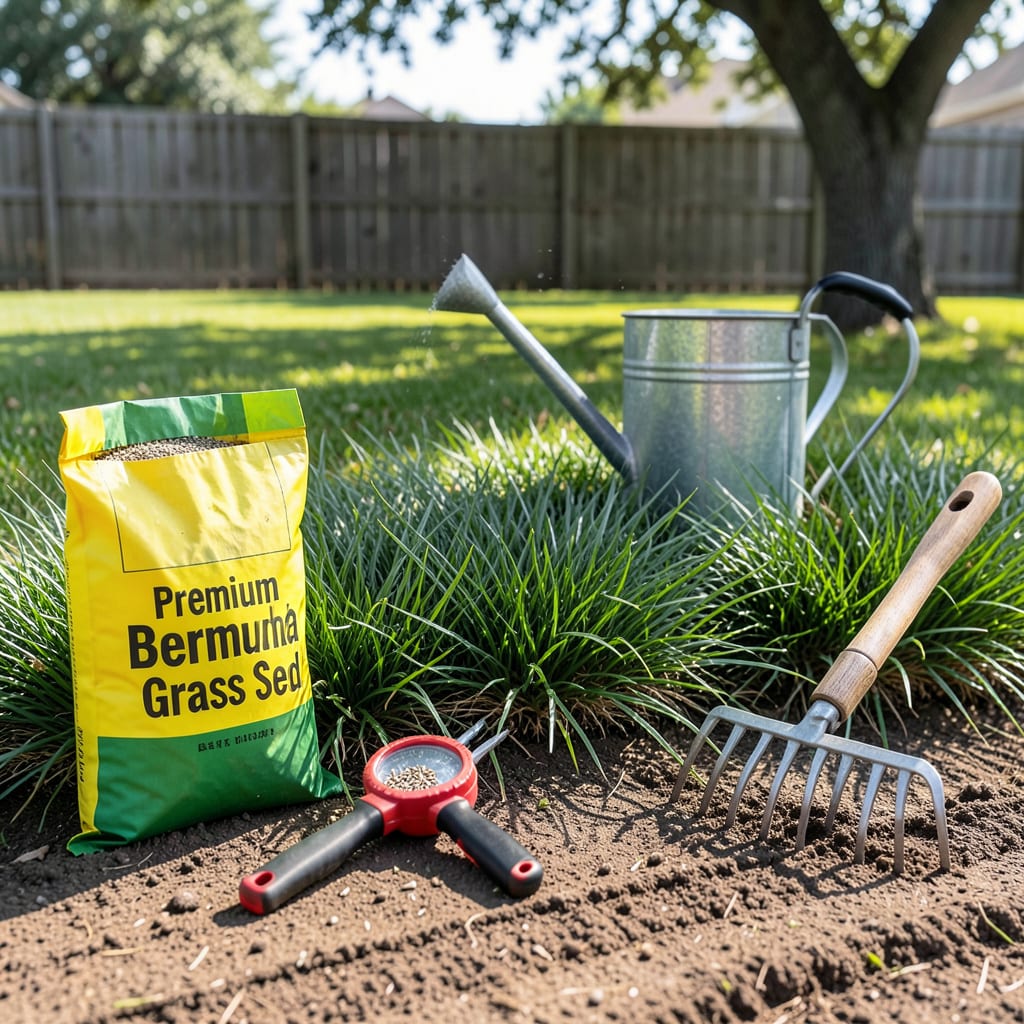
Louisiana’s sweltering summers and mild winters make timing everything when planting 🌱 grass seed. Plant too early, and late frosts might ruin your efforts. Wait too long, and the summer heat could fry young seedlings before they even take root.
After years of testing and local expert insights, I’ve nailed down the perfect windows for warm-season grasses like Bermuda and Zoysia—plus when to sneak in cool-season varieties for overseeding. Let’s cut through the guesswork so your lawn thrives, not just survives.
Louisiana’s Zone 8B climate means we deal with scorching summers and mild winters—so timing your grass seed planting is critical. Warm-season grasses like Bermuda, Zoysia, and Centipede thrive here, but they need the right soil temps to germinate. Plant too early, and late frosts might stunt growth. Wait too long, and summer heat will fry tender seedlings.
For cool-season grasses like Ryegrass or Fescue, we’re limited to overseeding in fall for temporary winter color. But the real stars are warm-season varieties, which need soil temps above 65°F—typically from late March through September, depending on the species. Let’s break it down by type and month.
| Grass Type | Ideal Months | Soil Temp Range | Key Notes |
|---|---|---|---|
| Bermuda | April–July | 70–90°F | Drought-tolerant; needs full sun |
| Zoysia | May–early June | 65–75°F | Slow to establish; shade-tolerant |
| Centipede | April–June | 70–80°F | Low-maintenance; acidic soil lover |
| St. Augustine | Late April–July | 75–85°F | Needs moisture retention; shade-friendly |
| Ryegrass | Sept–Oct | 55–65°F | Overseed only; dies in summer heat |
Source: LSU AgCenter Lawn Guidelines
Late summer to early fall (August–September) is my top recommendation for most warm-season grasses. Why? The soil stays warm from summer, but air temps cool, reducing heat stress on new seedlings. Plus, you avoid hurricane season’s heavy rains (June–November), which can wash away seed or drown young grass.
If you’re planting in spring, aim for April–May—but watch the forecast. A late frost (rare but possible in North Louisiana) can kill germinating seeds. For St. Augustine, which loves humidity, June planting works well if you commit to daily watering during establishment. Just avoid July’s peak heat, which can bake the soil surface.
Cool-season grasses like Ryegrass are not permanent here—they’re just for winter color. Overseed 6–8 weeks before the first frost (early October in Baton Rouge, late October in Shreveport). They’ll die out by May, so plan to reseed warm-season grass afterward.
Pro tip for clay soils (common in South Louisiana): Till in 2–3 inches of compost before planting to improve drainage. For sandy soils (like in Florida Parishes), mix in peat moss to help retain moisture. Always raking the seedbed ensures good soil-to-seed contact, which is essential for germination.
Soil temperature is your best guide—use a soil thermometer (or check LSU AgCenter alerts). For Bermuda and Centipede, wait until soils hit 70°F at 2-inch depth for 3+ days. Zoysia can tolerate slightly cooler soils (65°F), making it a good choice for earlier spring planting.
Remember, Louisiana’s humidity means fungal diseases like brown patch are a risk. Planting in fall reduces this threat because cooler nights slow fungus growth. If you must plant in spring, choose disease-resistant varieties like ‘Celebration’ Bermuda or ‘Empire’ Zoysia.
Finally, watering is non-negotiable—especially in dry spells. Keep the top 1–2 inches of soil moist (not soggy) until seeds germinate (7–21 days, depending on type). A light straw mulch helps retain moisture and protect seeds from heavy rains or intense sun.
Even with perfect timing, small errors can ruin your Louisiana lawn. I’ve seen homeowners waste hundreds in seed and water by overlooking key details. The biggest culprit? Ignoring soil temperature—planting when soil is too cold (below 65°F) leads to poor germination, while 90°F+ soils can bake seeds before they sprout.
Another common mistake is skipping soil prep. Louisiana’s clay-heavy soils (especially in Baton Rouge and Lafayette) compact easily, suffocating roots. Without aeration or compost, even the best grass seed struggles. Let’s dive into the top 5 pitfalls—and how to fix them.
Source: LSU AgCenter Turfgrass Research
Mistake #1: Planting at the wrong depth is shockingly common. Grass seed needs ¼-inch coverage—too deep, and it won’t get light; too shallow, and it dries out. Use a lawn roller after seeding to press seeds into soil without burying them. For Bermuda grass, which needs light to germinate, barely cover the seed.
Mistake #2: Neglecting pH levels stunts growth. Louisiana soils trend acidic (pH 5.0–6.0), but most grasses prefer 6.0–7.0. Test your soil with a $10 kit from a garden center—if pH is low, add lime (for clay) or sulfur (for sandy soils). Centipede grass is the exception—it thrives in acidic soil (pH 5.0–6.0).
Mistake #3: Using cheap seed saves money upfront but costs more long-term. Discount blends often contain weed seeds or fillers. Invest in certified, region-adapted seed from brands like Pennington or Scotts Southern Gold. For St. Augustine, buy plugs or sod—it’s nearly impossible to grow from seed.
Mistake #4: Mowing too soon kills young grass. Wait until blades reach 3–4 inches tall before the first cut, and never remove more than ⅓ of the height. Set your mower to 2–2.5 inches for Bermuda/Zoysia or 3–3.5 inches for St. Augustine. Dull blades tear grass—sharpen them every 10–12 hours of mowing time.
Finally, Mistake #5: Skipping starter fertilizer leaves your lawn nutrient-starved. Use a high-phosphorus fertilizer (like 10-20-10) at planting to boost root growth. Avoid weed-and-feed products—they’ll kill germinating seeds. For organic options, compost tea or fish emulsion work well in Louisiana’s warm soils.
Remember, Louisiana’s humidity means fungal diseases lurk. If you see brown patches or gray fuzz on seedlings, cut back on water and apply copper fungicide. Planting in fall (not spring) gives grass a head start before disease pressure peaks in summer. When in doubt, call your local LSU AgCenter office—they offer free soil tests and grass recommendations!
Getting your Louisiana soil ready for grass seed isn’t just about tossing seed on dirt. Our humid subtropical climate and heavy clay or sandy soils demand extra prep. I’ve found that soil testing is the first step—skipping it risks poor germination or weak roots. Our soils often lack organic matter and may be too acidic for most grasses.
Start by testing your soil’s pH and nutrient levels. Louisiana soils typically range from pH 5.0–6.5, but most grasses prefer 6.0–7.0. For $10–$15, your local LSU AgCenter or garden center can test it. If pH is too low, add pelletized lime (for clay) or sulfur (for sandy soils). Centipede grass is the exception—it thrives in acidic soil.
For clay soils (common in Baton Rouge, Lafayette): Till in 2–3 inches of compost or pine bark fines to improve drainage. For sandy soils (Florida Parishes, coastal areas): Mix in peat moss or coconut coir to retain moisture. Always rake the seedbed to create a smooth, firm surface before planting.
Once your soil is prepped, watering correctly is critical. Louisiana’s heat evaporates moisture fast, so light, frequent watering is key until germination. Water 2x daily (morning and evening) for 5–10 minutes per session to keep the top 1–2 inches moist. Avoid flooding—clay soils hold water poorly, leading to puddles and rot.
After seeding, apply a light straw mulch (about ¼-inch thick) to protect seeds from heavy rains or intense sun. This also deters birds from eating your seed. For Bermuda or Zoysia, which need light to germinate, use less mulch or opt for erosion-control blankets instead.
Fertilizing at planting gives your lawn a boost. Use a starter fertilizer with a 1-2-1 or 1-3-1 NPK ratio (like 10-20-10) to encourage root growth. Avoid weed-and-feed products—they’ll kill germinating seeds. For organic options, compost tea or fish emulsion work well in our warm, moist conditions.
Once your grass reaches 3–4 inches tall, it’s time for the first mow. Set your mower to 2–2.5 inches for Bermuda/Zoysia or 3–3.5 inches for St. Augustine. Never remove more than ⅓ of the blade height at once. Keep blades sharp—dull mowers tear grass, inviting disease in our humid climate. Finally, watch for brown patch fungus in summer; treat with copper fungicide if needed.
Late summer to early fall (August–September) is ideal for most warm-season grasses. The soil stays warm from summer, but cooler air temps reduce heat stress on seedlings. Spring planting works too, but avoid July’s peak heat and watch for late frosts in North Louisiana.
Water 2x daily (morning/evening) for 5–10 minutes until germination. Keep the top 1–2 inches moist—not soggy—to prevent drying out in our heat. Once established, shift to deep watering 1x/week.
Avoid July’s extreme heat—soil temps can hit 100°F+, killing seedlings. If you must plant in summer, choose drought-tolerant Bermuda and water 3x daily. Early June or August–September are safer bets.
St. Augustine or Zoysia handle shade best in Louisiana. St. Augustine thrives in humidity but needs moisture retention, while Zoysia is slower to establish but more drought-resistant. Avoid Bermuda—it requires full sun.
Apply pre-emergent herbicide 6 weeks before planting, or hand-pull weeds first. For existing lawns, mow high (3–4 inches) to shade out weeds. In clay soils, add 2–3 inches of compost to help grass outcompete weeds.
