
Beautiful Plants For Your Interior
Beautiful Plants For Your Interior
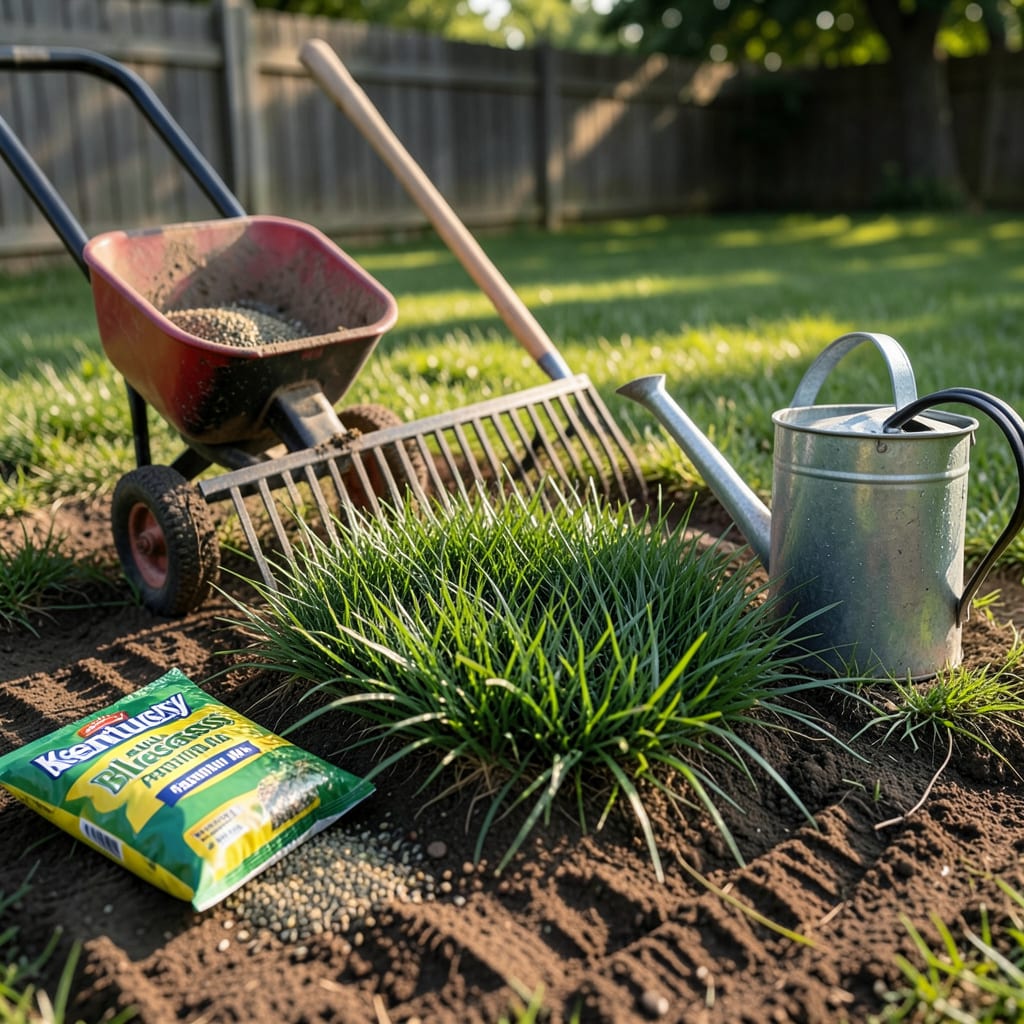
Timing your ✂️Grass planting in Kansas can mean the difference between a lush lawn and a patchy disappointment. Plant too early, and late frosts might wipe out your efforts. Wait too long, and summer heat could stunt growth before it even begins.
After years of testing and local research, I’ve pinpointed the ideal spring window for Kansas lawns—when soil temps hit that sweet spot and frost risks fade. Let me show you exactly how to nail the timing for thicker, healthier Grass that thrives in Zones 6a-7b.
If you’re dreaming of a lush, green lawn this year, timing your grass seed planting in Kansas is everything. Kansas’ unpredictable spring weather—with late frosts and sudden heatwaves—can make or break your lawn’s success. I’ve found that mid-March to early May is the sweet spot for most regions.
The key is watching soil temperature, not just the calendar. Cool-season grasses like Tall Fescue and Kentucky Bluegrass thrive when soil hits 50–65°F. But Kansas spans three climate zones, so your planting window shifts depending on where you live.
In Eastern Kansas, you can start as early as mid-March because the soil warms faster thanks to higher humidity. But in Western Kansas, I’d wait until early April—those late frosts can be brutal. Always check the 10-day forecast before planting.
For cool-season grasses, aim to plant 6–8 weeks before summer heat arrives. This gives roots time to establish. If you’re planting warm-season grasses like Bermudagrass, wait until soil hits 65°F+—usually late April or May.
I always recommend testing your soil’s pH level (ideal: 6.0–7.0) before planting. Kansas soils often lean alkaline, especially in the west. A simple $20 soil test from your local Extension office can save you headaches later.
Don’t forget about soil prep! A week before planting, I aerate compacted areas and add a ½-inch layer of compost. This boosts seed-to-soil contact and moisture retention—critical for Kansas’ clay-heavy soils in the east or sandy soils in the west.
Watering is where most folks mess up. New grass seed needs light, frequent watering—think daily misting for the first 2 weeks. Once sprouts appear, shift to deep watering (1 inch/week) to encourage root growth. In drought-prone western Kansas, I add a mulch layer to retain moisture.
If you’re overseeding an existing lawn, mow low (1.5 inches) first and rake to expose soil. For bare spots, use a slice seeder for best results. And here’s my secret: plant on a calm, overcast day to prevent seeds from drying out or blowing away.
Finally, hold off on herbicides until your new grass is established—usually after 3–4 mowings. Weeds might pop up, but young grass can’t compete with weed killers. If you’re desperate, hand-pull weeds or spot-treat carefully.
By following these region-specific timelines and prep tips, you’ll set your Kansas lawn up for success. Remember, patience pays off—rushing can lead to patchy growth or winter kill. When in doubt, wait for consistent 50°F+ soils and clear skies! ☀️
Not all grass seed thrives in Kansas’ hot summers and cold winters. After testing dozens of varieties, I’ve narrowed it down to the top 5 performers for spring planting. Each has unique strengths—whether you need drought tolerance or shade resistance.
Cool-season grasses like Tall Fescue and Kentucky Bluegrass dominate Kansas lawns because they handle temperature swings better. But warm-season options like Buffalo Grass shine in western Kansas’ drier climate. Let’s break it down.
Tall Fescue is my top pick for most Kansas lawns because it stays green longer in summer and recovers well from drought. I plant it March 15–April 15 for best results. It’s also disease-resistant, which helps in humid eastern Kansas.
For western Kansas, where water is scarce, Buffalo Grass is a game-changer. It needs 50% less water than Tall Fescue once established. The trade-off? It turns brown in winter and grows slower. Plant it April 15–May 15 when soils are warm.
Kentucky Bluegrass gives that classic lush, carpet-like lawn but struggles in drought. If you love its look, mix it with 10–20% Tall Fescue for resilience. In shady areas, I add Fine Fescue to the mix for better coverage.
Need a fast-growing option? Perennial Ryegrass germinates in 5–10 days—perfect for patching bare spots. But it’s less heat-tolerant, so I use it as a temporary cover or mix it with Kentucky Bluegrass for quick greening.
No matter which grass you choose, soil prep is key. I always test pH first (Kansas soils often need sulfur to lower pH). Then, loosen the top 2–3 inches of soil and add compost. This ensures good seed-to-soil contact, which is critical for germination.
Finally, match your watering schedule to the grass type. Cool-season grasses need 1–1.5 inches/week in spring, while warm-season varieties prefer deep, infrequent watering once established. Use a rain gauge to track moisture—Kansas springs can be deceiving! 💧
Even with perfect timing, small mistakes can sabotage your Kansas lawn. After helping dozens of neighbors troubleshoot patchy grass, I’ve identified the three most common spring planting errors. The good news? They’re all preventable with a little know-how.
First up: planting too early when soil temps are still below 50°F. I’ve seen eager gardeners sow seed in late February, only to lose everything to a surprise frost. Kansas springs are notorious for temperature whiplash—wait for consistent warmth.
The second mistake—ignoring soil prep—is where most DIYers go wrong. Kansas soils vary wildly: eastern clay compacts easily, while western sandy soil drains too fast. I always aerate first, then top-dress with compost to improve texture.
Here’s my pro trick: Mix 1 part sand + 2 parts compost into heavy clay soils before planting. For sandy areas, add peat moss to retain moisture. And never skip raking—seeds need direct soil contact to germinate properly.
Finally, watering mistakes kill more Kansas lawns than drought. New grass seed needs consistent moisture, not drenching. I use a gentle spray nozzle to avoid washing seeds away. In windy western Kansas, I water twice daily (morning/evening) for the first week.
Remember: Morning watering (6–9 AM) prevents fungal diseases like dollar spot, which thrives in Kansas’ humid springs. And if you’re using starter fertilizer, water immediately after applying to prevent burn. 🌱
For cool-season grasses like Tall Fescue, wait until soil reaches 50–65°F at a 2-inch depth. Warm-season varieties need 65°F+. Use a cheap soil thermometer to check—don’t guess!
It’s risky. Late May plantings often struggle with summer heat stress. If you must, choose drought-tolerant varieties like Buffalo Grass and water twice daily for the first month. Early fall is a safer backup option.
Keep soil consistently moist but not soggy. Water lightly daily (morning only) for 2–3 weeks, then shift to 1 inch weekly. Use a rain gauge to track moisture—Kansas springs can be deceiving!
Buffalo Grass wins for drought-prone areas. It needs 50% less water than Tall Fescue and thrives in hot, dry conditions. Plant April 15–May 15 when soil hits 65°F+. Just accept it’ll brown in winter.
Yes, but timing matters. Apply after seeding (never before) and water immediately to prevent burn. Use a 16-4-8 ratio at 1 lb nitrogen per 1,000 sqft. Skip if planting in hot May weather—focus on water instead.
