
Beautiful Plants For Your Interior
Beautiful Plants For Your Interior
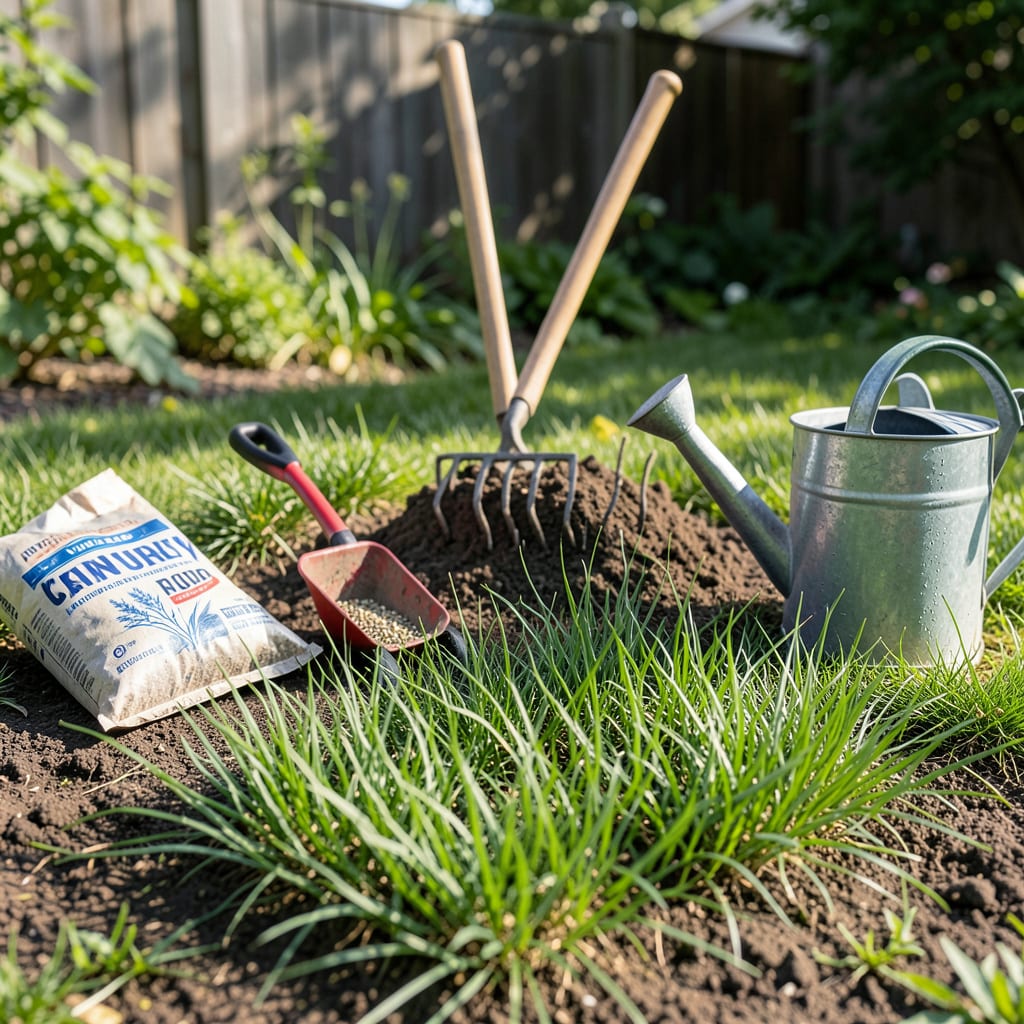
Your Kansas City lawn’s success starts with one critical decision: timing. Plant 🌱 grass seed at the wrong moment, and you’re fighting an uphill battle against unpredictable weather and stubborn soil.
After years of testing what works (and what doesn’t) in our Zone 6a climate, I’ve pinpointed the exact windows for faster germination and thicker turf. Let me show you how to sync your planting with Kansas City’s unique seasons—so you’re not wasting seed or effort.
If you’re dreaming of a lush, green lawn in Kansas City, timing your grass seed planting is absolutely critical. Our Zone 5 climate means we deal with hot summers and cold winters, so planting at the right time ensures strong germination and root development before extreme weather hits.
I always recommend focusing on two key windows: early spring (April to mid-May) and late summer to early fall (late August through September). These periods align perfectly with Kansas City’s last frost date (April 15) and first frost date (October 15). 🌱
| Season | Best Months | Soil Temp Range | Grass Type | Advantages |
|---|---|---|---|---|
| Early Spring | April – Mid-May | 50°F – 65°F | Cool-Season | Early start, avoids summer heat |
| Late Summer | Late August – Mid-Sept | 60°F – 75°F | Cool-Season | Warm soil, fewer weeds, fall rains |
| Early Fall | Mid-Sept – Early Oct | 55°F – 70°F | Cool-Season | Ideal root growth before winter |
| Late Spring | Late May – June | 65°F+ | Warm-Season | Best for Zoysia/Bermuda |
For cool-season grasses like Tall Fescue or Kentucky Bluegrass, late summer to early fall is my top recommendation. The soil is still warm from summer, which speeds up germination, while cooler air temperatures reduce stress on new seedlings. Plus, fall rains often provide natural irrigation.
If you’re planting in early spring, aim for April through mid-May. This gives your grass time to establish before summer heat arrives. Just be mindful of late frosts—if we get an unexpected cold snap after planting, you might need to cover tender seedlings with straw or frost cloth.
For warm-season grasses like Zoysia or Bermuda, your window shifts to late spring through early summer (May to June). These grasses thrive in heat, so planting when soil temps are consistently above 65°F ensures strong establishment before winter dormancy.
No matter which season you choose, always check the 10-day forecast before planting. You want consistent moisture (not heavy rain) and no extreme temperature swings. I like to use the Missouri Botanical Garden’s Plant Doctor tool or K-State Extension’s lawn care resources for hyper-local advice.
Pro tip: Test your soil temperature with a soil thermometer (available at most garden centers). For cool-season grasses, you want 50°F-65°F at a 2-inch depth. Too cold, and seeds won’t germinate; too hot, and they may dry out or enter dormancy.
Remember that Kansas City’s clay-heavy soil can be challenging for new grass. Before planting, I always recommend aerating compacted areas and mixing in 1-2 inches of compost to improve drainage and root penetration. This is especially important if you’re overseeding an existing lawn.
Finally, don’t forget about watering! New grass seed needs consistent moisture—about 1/4 inch of water daily until seedlings reach 2 inches tall. In Kansas City’s unpredictable weather, that often means supplementing natural rainfall with morning irrigation to prevent fungal issues. ☀️
Even with perfect timing, Kansas City lawns can struggle if you fall into common planting traps. I’ve seen too many homeowners waste seed and effort by overlooking our clay soil challenges or misjudging seasonal windows. Let’s tackle the biggest mistakes—and how to recover from them.
The most costly error? Planting too late in fall. Many think September is safe, but if you seed after October 1, seedlings may not establish before frost. Aim to finish planting by September 20 to give roots 4-6 weeks of growth before winter dormancy. 🌱
Another frequent issue is choosing the wrong grass type. Warm-season grasses like Bermuda go dormant brown by October, shocking homeowners who expected year-round green. For Kansas City, I recommend Tall Fescue for its drought tolerance or Kentucky Bluegrass for high-traffic areas.
Poor soil contact dooms many seedings. Simply broadcasting seed onto hard clay won’t cut it. After spreading seed, lightly rake (1/4″ deep max) and roll with a lawn roller to ensure seed-to-soil contact. For slopes, use a mulch blanket to prevent washout during our heavy spring rains.
Watering mistakes are equally common. Many set sprinklers for daily light watering, which encourages shallow roots. Instead, water deeply 2-3 times weekly (1″ total) to train roots downward. In Kansas City’s humid summers, morning watering (6-10 AM) prevents fungal diseases that thrive in evening moisture.
Don’t overlook weed competition either. Planting into a weedy area without pre-treatment often fails. I use a glyphosate-based herbicide 10-14 days before seeding to clear existing weeds, followed by a starter fertilizer with mesotrione (like Scotts Turf Builder Starter) to prevent new weed seeds from germinating alongside your grass.
Finally, mowing too soon stresses new lawns. Wait until grass reaches 3-4 inches tall before the first cut, and never remove more than 1/3 of the blade height. For fall plantings, I recommend a final mow at 2″ in late October to reduce snow mold risk over winter. ✂️
Choosing the right grass for Kansas City’s Zone 5 climate can make or break your lawn. After testing dozens of varieties in our unpredictable weather, I’ve narrowed it down to three winners that thrive in our hot summers and cold winters. Let me show you which types match your lawn goals.
The best all-around choice for most Kansas City homeowners is Tall Fescue. This cool-season grass handles our clay soil beautifully and stays green longer in summer than other cool-season options. It’s also drought-tolerant once established, which is crucial for our occasional dry spells. 🌱
| Grass Type | Best Planting Time | Sun Needs | Drought Tolerance | Foot Traffic | Mowing Height |
|---|---|---|---|---|---|
| Tall Fescue | Sept 1-20 or April 15-May 15 | Full sun to partial shade | High | Moderate | 2.5-3.5 inches |
| Kentucky Bluegrass | Sept 1-Oct 1 or April 1-May 1 | Full sun | Medium | High | 2-3 inches |
| Zoysia | May 15-June 15 | Full sun | Very High | Very High | 1-2 inches |
If you have kids or pets, Kentucky Bluegrass might be your best bet. It spreads via rhizomes to fill in bare spots and handles heavy foot traffic better than most grasses. The tradeoff? It needs more water than Tall Fescue and can struggle in our clay soil without proper amending. I recommend mixing in 20% sand during planting to improve drainage.
For those willing to trade winter green for summer resilience, Zoysia grass is an excellent warm-season option. It thrives in our July heat when other grasses go dormant, but turns brown at first frost. Plant Zoysia plugs or sod in late May to June when soil temps reach 70°F. Be patient—it establishes slowly but forms a dense, weed-resistant turf over time.
No matter which grass you choose, remember that soil prep is 50% of success in Kansas City. Our heavy clay compacts easily, so I always recommend core aerating before planting and top-dressing with 1/4″ of compost. For new lawns, consider a slit-seeder to ensure good seed-to-soil contact in our challenging soil conditions.
Timing your planting matters too. For cool-season grasses, September 1-20 is ideal—soil is warm but air temps are cooling. Spring planting works but requires more watering as summer approaches. Warm-season Zoysia must go in after May 15 when soil is reliably warm. Always check the 10-day forecast to avoid planting before heavy rains that could wash away seed. ✂️
Fall is ideal for Kansas City lawns, specifically late August through September. The warm soil speeds germination while cooler air reduces stress on seedlings. Spring works too, but requires more watering as summer approaches.
It’s risky for cool-season grasses like Tall Fescue—soil temps above 85°F can kill seedlings. Warm-season varieties like Zoysia can be planted in summer, but require extra watering. Early morning irrigation is critical to prevent heat stress.
Keep soil consistently moist with 1/4 inch of water daily until seedlings reach 2 inches tall. After that, shift to 1 inch weekly (including rainfall). Morning watering between 6-10 AM minimizes evaporation and disease risk.
Tall Fescue handles our clay best—its deep roots tolerate compaction and drought. For high-traffic areas, Kentucky Bluegrass recovers well. Always amend clay with 1-2 inches of compost before planting for better drainage.
Wait until grass reaches 3-4 inches tall, usually 4-6 weeks after germination. Never remove more than 1/3 of the blade height in a single mowing. For fall plantings, do a final trim to 2 inches in late October.
