
Beautiful Plants For Your Interior
Beautiful Plants For Your Interior
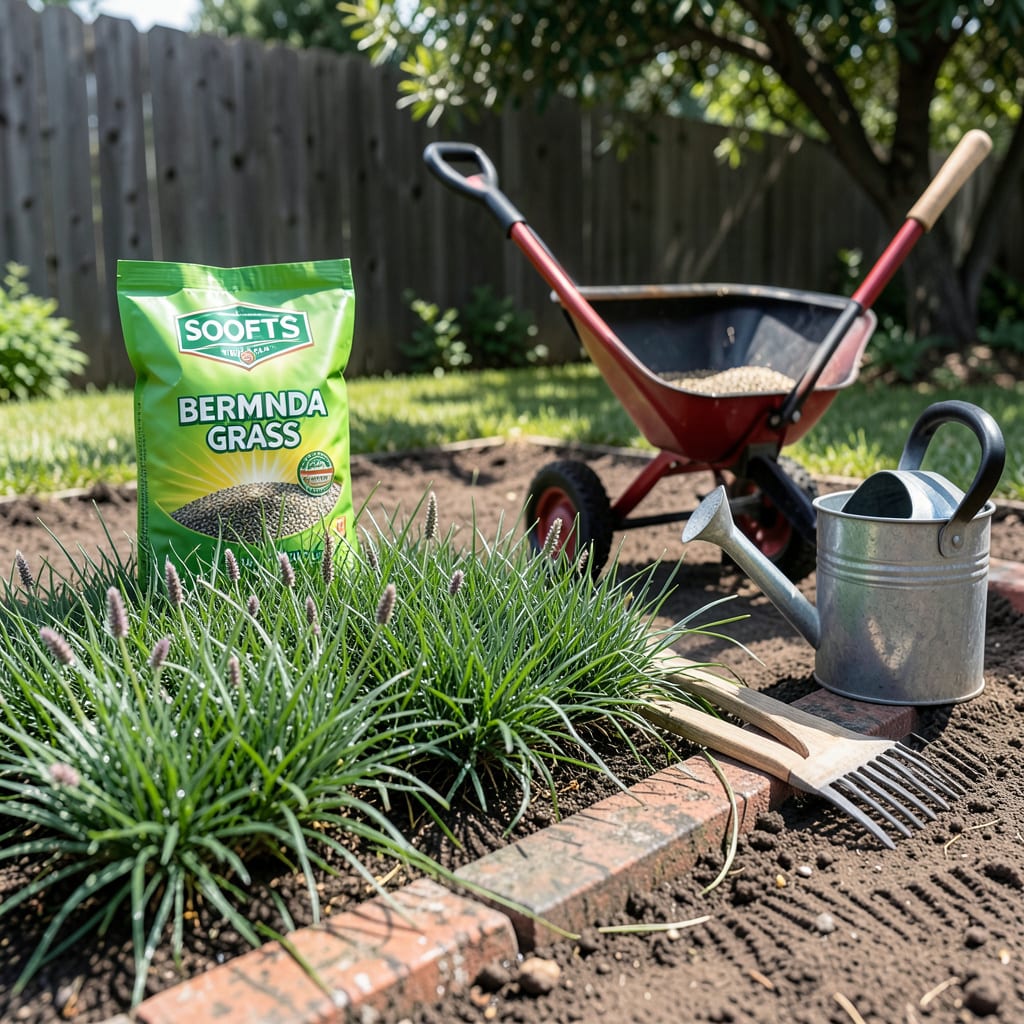
Timing your ✂️ grass seed planting in Houston can mean the difference between a lush lawn and a patchy disappointment. Our sweltering summers and mild winters create a unique challenge—plant too late, and your seeds will fry; too early, and they’ll struggle to establish.
After years of testing what works (and what doesn’t) in Zone 9a, I’ve nailed down the exact windows for success. Whether you’re starting fresh or overseeding, I’ll show you how to sync with Houston’s climate for thicker, greener grass with less effort.
Houston’s USDA Zone 9a/9b climate means we can grow grass nearly year-round, but timing is critical for success. Plant too late in summer, and your seeds will fry in the heat. Plant too early in spring, and late frosts might stunt growth. I’ve tested the ideal windows for both warm-season and cool-season grasses—here’s what works.
The secret? Match your planting schedule to soil temperatures, not just air temps. Warm-season grasses like Bermuda and Zoysia thrive when soil hits 65–70°F, while cool-season Ryegrass prefers 50–65°F. Houston’s long growing season gives us two prime windows: early fall (September–October) and late spring (March–April).
| Grass Type | Best Planting Months | Soil Temp Range | Sun Needs | Houston Notes |
|---|---|---|---|---|
| Bermuda | March–May, September | 70–85°F | Full Sun (6+ hrs) | Drought-tolerant; avoid mid-summer planting |
| St. Augustine | April–June, September | 65–80°F | Partial Sun (4+ hrs) | Loves humidity; needs frequent watering |
| Zoysia | April–May, September | 60–75°F | Full Sun | Slow to establish; plant plugs for faster coverage |
| Ryegrass | October–November | 50–65°F | Full/Partial Sun | Overseed warm-season lawns for winter green |
| Centipede | May–June | 70°F+ | Full Sun | Low-maintenance; avoid heavy clay soil |
For fall planting, aim for September–early October. This gives roots time to establish before winter dormancy. I’ve found September 15–30 is the sweet spot—soil stays warm, but air temps are cooler, reducing heat stress on new seedlings. Plus, fall rains often handle watering for you!
Spring planting works too, but you’ll battle weeds and potential late frosts. If you go this route, wait until after March 15 (our average last frost date) and plant by early April. Pro tip: Use a pre-emergent herbicide before planting to suppress weeds, but avoid it after—it’ll block grass seeds too.
Houston’s clay soil can be a nightmare for germination. Before planting, I recommend aerating and mixing in 2–3 inches of compost to improve drainage. For bare spots, try slit-seeding—it ensures better seed-to-soil contact. And always water lightly 2x daily until germination (about 2–3 weeks).
If you’re overseeding with Ryegrass for winter color, plant in mid-October. This timing ensures it germinates before the first frost (around December 1) but doesn’t compete with warm-season grasses. I’ve seen lawns stay lush all winter with this trick—just mow it high (3–4 inches) to protect the crowns.
Avoid planting in summer (June–August) unless you’re irrigating daily. The combo of 90°F+ temps and Houston’s humidity spells disaster for tender seedlings. If you must plant in summer, opt for sod or plugs instead of seed—they handle heat better. And shade cloth can be a lifesaver for new grass in peak sun.
For shady areas, St. Augustine or Fine Fescue are your best bets. Plant them in early fall or spring when light levels are moderate. I’ve had great luck with ‘Raleigh’ St. Augustine under live oaks—just thin the canopy first to let in more light. Remember: No grass thrives in deep shade (less than 4 hours of sun).
Finally, don’t forget a starter fertilizer (like 16-4-8 NPK) at planting. Apply it after you’ve spread the seed—this prevents burning tender roots. For Houston’s heavy rains, I use a slow-release formula to avoid runoff. And mark your calendar: 6 weeks post-planting, hit it with a light nitrogen boost to encourage thickening.
Even with perfect timing, small missteps can ruin your Houston lawn. I’ve seen homeowners waste hundreds on seed and fertilizer by ignoring season-specific pitfalls. Let’s break down the biggest mistakes—and how to fix them—so your grass thrives year-round.
In spring (March–May), the top error is planting too early before soil warms up. Cold, wet soil causes seeds to rot. Wait until soil temps hit 65°F (usually late March). Another spring blunder? Skipping pre-emergent herbicide—but remember, don’t apply it after seeding, or it’ll block germination!
Planting in June–August is risky—Houston’s heat and humidity fry tender seedlings. If you must, opt for sod or plugs instead of seed, and water 3x daily in short bursts to prevent runoff. Shade cloth can reduce soil temps by 10°F, giving seeds a fighting chance.
Fall (September–November) is ideal, but many rush and plant too late. Seeds need 4–6 weeks to establish before the first frost (December 1 in Houston). Plant by mid-October for cool-season grasses like Ryegrass. Another fall fail? Overwatering—stick to 1 inch per week (including rain) to avoid fungal issues.
For winter (December–February), the mistake is overseeding too early. Ryegrass planted before October 15 competes with warm-season grasses. Wait until nighttime temps drop below 60°F. Also, avoid heavy nitrogen fertilizers in winter—they can damage dormant lawns. Use a winterizer formula (like 10-0-20) instead.
Year-round errors include ignoring soil prep. Houston’s clay soil suffocates seeds. Always aerate and top-dress with ½ inch of compost before planting. Another constant issue? Uneven seed distribution. Use a broadcast spreader for large areas, or hand-sow in a crisscross pattern for small patches to avoid clumping.
Finally, mowing too soon kills young grass. Wait until blades reach 3–4 inches, then trim to 2 inches. Never remove more than ⅓ of the blade at once. And dull mower blades tear grass—sharpen yours every 8–10 uses for clean cuts that heal faster. Small fixes, but they make a huge difference in Houston’s tough climate!
Once your grass seed is in the ground, the real work begins. Houston’s humidity and heat demand a tailored care routine to ensure strong germination. I’ve refined this process over years of trial and error, and the key is consistency—especially in our unpredictable Gulf Coast climate.
Start with watering: New grass seed needs light, frequent moisture. Aim for 2–3 short sessions daily (5–10 minutes each) to keep the top ½ inch of soil damp. Avoid evening watering—Houston’s humidity promotes fungal diseases if grass stays wet overnight. Early morning (before 9 AM) is ideal.
Houston’s clay soil holds water unevenly, so monitor for puddles or dry spots. If water pools, aerate and add compost to improve drainage. For dry areas, a light layer of straw mulch (¼ inch) helps retain moisture without smothering seeds. Remove it once grass reaches 2 inches tall.
Watch for heat stress in late spring/early summer. If temps spike above 90°F, increase watering to 3x daily in short bursts. Shade cloth (30–50% density) can protect new grass from scorching. Conversely, if tropical storms hit, pause watering and let nature do the work—just ensure runoff doesn’t wash seeds away.
Fertilizing in Houston requires precision. Use a slow-release nitrogen formula to avoid burning grass in our intense heat. Apply the first dose at planting, then again at 6 weeks. Skip fertilizer in summer (June–August)—it stresses grass. Instead, focus on iron supplements (like chelated iron) to keep lawns green without promoting excessive growth.
Finally, mowing height matters. Keep new grass at 2–2.5 inches for the first month to shade the soil and retain moisture. For St. Augustine or Zoysia, raise the blade to 3 inches in summer to reduce heat stress. Always mow with sharp blades—dull ones tear grass, inviting disease. I sharpen mine every 8–10 uses for clean cuts. ✂️
Bermuda and St. Augustine thrive here. Bermuda handles heat and drought, while St. Augustine tolerates shade and humidity. For winter green, overseed with Ryegrass in October.
Avoid summer planting—Houston’s 90°F+ temps and humidity stress seedlings. If you must, use sod/plugs, water 3x daily, and add shade cloth. Early fall or late spring are far safer.
Water 2–3x daily (5–10 minutes each) for the first 2 weeks. Keep the top ½ inch of soil damp—never soggy. Morning watering prevents fungal issues in our humid climate.
Common culprits: dry soil, poor seed-to-soil contact, or planting too deep. Houston’s clay soil often needs aeration and compost. Check for birds eating seeds too!
Wait until blades reach 3–4 inches, then trim to 2 inches. Never remove more than ⅓ of the height at once. Sharp blades prevent tearing in our thick grasses.
