
Beautiful Plants For Your Interior
Beautiful Plants For Your Interior
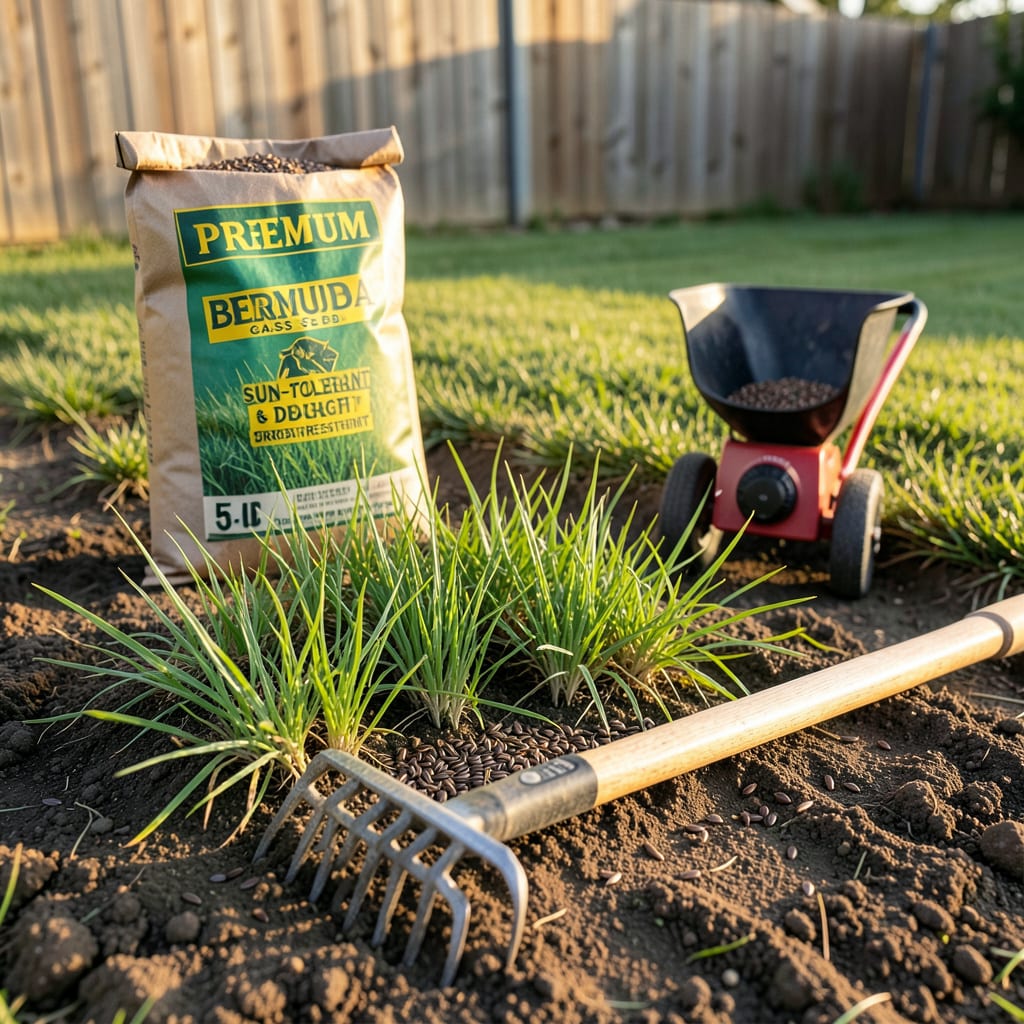
Timing your grass planting in Austin isn’t just important—it’s the key to avoiding a crispy, brown lawn by summer. Our USDA Zone 8b climate throws curveballs: scorching heat, unpredictable droughts, and those sneaky late frosts that can wipe out young seedlings overnight.
After years of testing (and a few failed lawns), I’ve nailed down the two perfect windows to plant grass seed here. Whether you’re starting fresh or repairing patches, I’ll show you exactly when to sow for a thick, resilient lawn—and how to dodge Austin’s biggest planting pitfalls.
If you’re dreaming of a lush, green lawn in Austin, timing your grass seed planting is everything. Our USDA Zone 8b climate means we deal with blazing summers and mild winters, which can make or break your lawn’s success. The key is working with Austin’s seasons, not against them.
For most Austin homeowners, the best windows are early fall (September–October) and spring (March–April). These periods avoid the extreme summer heat while giving seeds enough time to establish before winter or summer stress kicks in. But the ideal month depends on your grass type—let’s break it down.
| Grass Type | Best Planting Months | Soil Temp for Germination | Austin Climate Notes |
|---|---|---|---|
| Bermuda 🌱 | March–June | 70°F–90°F | Thrives in full sun; goes dormant in winter. Avoid planting after July—heat stress risks rise. |
| Zoysia 🌱 | April–May or September | 65°F–75°F | Slower to establish but drought-tolerant. Spring planting gives it a head start before summer. |
| St. Augustine 🌱 | April–June | 75°F–85°F | Loves Austin’s heat and humidity but needs regular watering. Avoid fall planting—cold snaps can damage young sod. |
| Tall Fescue 🌱 | September–October | 55°F–65°F | Best cool-season option for Austin. Plant early fall for winter green; may struggle in peak summer without shade. |
| Ryegrass 🌱 | October–November | 50°F–65°F | Temporary winter lawn. Overspreads Bermuda/Zoysia in fall; dies out by late spring. |
Notice a pattern? Warm-season grasses like Bermuda and Zoysia dominate Austin lawns because they love the heat. But if you’re planting in fall, cool-season grasses like Tall Fescue can give you a green winter lawn—just be prepared for extra watering in summer.
The soil temperature is your secret weapon. For warm-season grasses, aim for 70°F+ at a 2-inch depth. Cool-season grasses germinate best at 55°F–65°F. Use a soil thermometer (or check local ag extension reports) to nail the timing. Pro tip: Austin’s clay soil warms up slower in spring—wait until temps are consistently warm.
If you’re tempted to plant in summer (July–August), pump the brakes. The combination of 100°F+ temps and drought conditions makes it nearly impossible to keep soil moist enough for germination. Even drought-tolerant grasses like Buffalo need consistent watering their first month—something Austin’s water restrictions can complicate.
For spring planting, watch the last frost date (typically late February in Austin). Wait until nighttime temps stay above 60°F before sowing warm-season grasses. Fall plantings should wrap up by mid-October to give roots time to establish before the first frost (usually early December).
Still unsure? Here’s my foolproof rule: If you’re planting warm-season grass, aim for April–May. For cool-season grass, September–October is your golden window. And if you miss these windows, consider sod or plugs instead—they handle heat stress better than seeds.
Remember, Austin’s unpredictable rain patterns mean you’ll likely need to supplement with irrigation. Set up a sprinkler system or soaker hoses to keep the top 1–2 inches of soil moist (but not soggy) until germination. I’ll dive deeper into watering strategies in the next section—because even perfect timing won’t save your lawn if you drown or dehydrate those seeds!
One last thing: If you’re overseeding an existing lawn (like adding Ryegrass to Bermuda for winter green), mow low first and dethatch to help seeds reach the soil. Austin’s thick St. Augustine or Bermuda can smother new seeds if not prepped properly. Now, let’s talk about how to beat the heat and drought-proof your planting process! 🌱
Planting grass seed in Austin isn’t just about timing—it’s about surviving our clay soil and relentless heat. Even if you nail the September–October or March–April windows, poor prep or watering can doom your lawn. Here’s how I’ve helped my Austin lawn thrive despite 100°F summers and drought restrictions.
First, test your soil. Austin’s heavy clay drains poorly and compacts easily, which suffocates new grass roots. A $10 soil test from the Texas A&M AgriLife Extension reveals your pH and nutrient levels. Most Austin lawns need compost or expanded shale to improve drainage before planting.
⚠️ Critical Austin Watering Rules
Austin’s Stage 2 water restrictions (common in summer) limit lawn watering to 1x/week. New grass seed needs daily moisture for 2–3 weeks. Solution:
For clay soil prep, I till in 2–3 inches of compost before planting. This loosens the soil and adds organic matter. If you’re overseeding, dethatch first—Austin’s thick Bermuda or St. Augustine can block seeds from soil contact. Use a rented core aerator ($60/day) to pull plugs and improve seed-to-soil contact.
Mulching is non-negotiable in Austin. After seeding, cover with a 1/4-inch layer of straw (not hay—it has weed seeds!). This keeps soil moist and cool. For slopes, use erosion-control blankets to prevent washouts during our torrential rainstorms. Avoid plastic sheeting—it traps too much heat.
Here’s my Austin-tested watering schedule for new grass: Weeks 1–2: Light watering 2x/day (6 AM + 6 PM) for 5–10 minutes. Weeks 3–4: 1x/day (morning only) for 15 minutes. After germination: Deep water 2x/week (1 inch total). Use a rain gauge to track—our unpredictable downpours can mislead you!
If you’re planting in spring, watch for weed competition. Austin’s warm soils wake up crabgrass and nutsedge early. Apply a pre-emergent herbicide (like Dimension) 6 weeks before planting—but never after seeding, or it’ll block your grass too! For fall plantings, skip pre-emergents and hand-pull weeds instead.
Finally, shade is your ally for young grass. If planting in full sun areas, use shade cloth (30% density) for the first 2 weeks to reduce evaporation. For partial-shade lawns, consider Tall Fescue or St. Augustine—they handle Austin’s dappled sunlight better than Bermuda. And if your lawn struggles every summer? Swap to drought-tolerant alternatives like Buffalo grass or clover mixes—they thrive with half the water! 💧
If you’re debating between fall vs. spring planting in Austin, let me save you some guesswork. Both seasons have pros and cons, but one usually comes out ahead for our USDA Zone 8b climate. After testing both in my own yard, I’ve found that fall planting often delivers better long-term results—here’s why.
In Austin, fall (September–October) gives grass seeds a cooler environment to germinate without the pressure of summer heat. The soil stays warm (ideal for root growth) while air temps drop, reducing water loss. Plus, fewer weeds compete with new grass in fall. Spring planting, while popular, means battling rising temps and aggressive weeds like crabgrass.
Spring planting isn’t without merits—it offers faster germination thanks to warming soils. But here’s the catch: Austin’s early heat waves (often by May) can stress young grass before roots fully establish. You’ll also fight more weeds and potentially water restrictions as summer approaches. If you go this route, plant early (March–early April) and be ready with shade cloth.
For cool-season grasses like Tall Fescue, fall is the only viable option. These grasses struggle in Austin’s summers, so planting in September–October lets them establish before winter. They’ll stay green through mild Austin winters and may even survive into early summer with deep watering and afternoon shade.
My recommendation? Prioritize fall planting for most grasses, especially if you’re starting from seed. The lower stress conditions and natural rainfall (usually more reliable in fall) give your lawn the best shot. Save spring for sod or plugs if you missed the fall window, or for warm-season grasses like Bermuda that recover quickly from heat. 🌱
Planting in July–August is risky due to Austin’s 100°F+ temps and drought conditions. Seeds often dry out before germinating, and water restrictions make it hard to keep soil consistently moist. If you must, choose drought-tolerant varieties like Buffalo grass and water 2x/day in early morning.
Yes! Many Austin homeowners overseed Bermuda with Ryegrass in fall for winter green. Plant Ryegrass in October–November—it’ll die out by late spring as Bermuda wakes up. Just mow Bermuda low before overseeding and water lightly to avoid smothering the new seeds.
Use a soil thermometer to check temps at 2-inch depth. Warm-season grasses (Bermuda, Zoysia) need 70°F+, while cool-season types (Fescue) prefer 55°F–65°F. Austin’s clay soil heats slowly—wait until temps stay consistent for 5+ days before sowing.
Skipping soil prep in our heavy clay! Many plant seeds directly into compacted soil, leading to poor germination. Always till in 2–3 inches of compost first and consider core aeration for existing lawns. Also, overwatering is common—stick to 1/4 inch per session to avoid runoff or fungal issues.
Seed is cheaper but needs perfect timing and care. Sod gives instant results and handles heat better, making it ideal if you miss the fall/spring windows. For slopes or high-traffic areas, sod’s erosion resistance wins. Seed works best for large areas where cost is a factor—just plant during September–October or March–April.
