
Beautiful Plants For Your Interior
Beautiful Plants For Your Interior
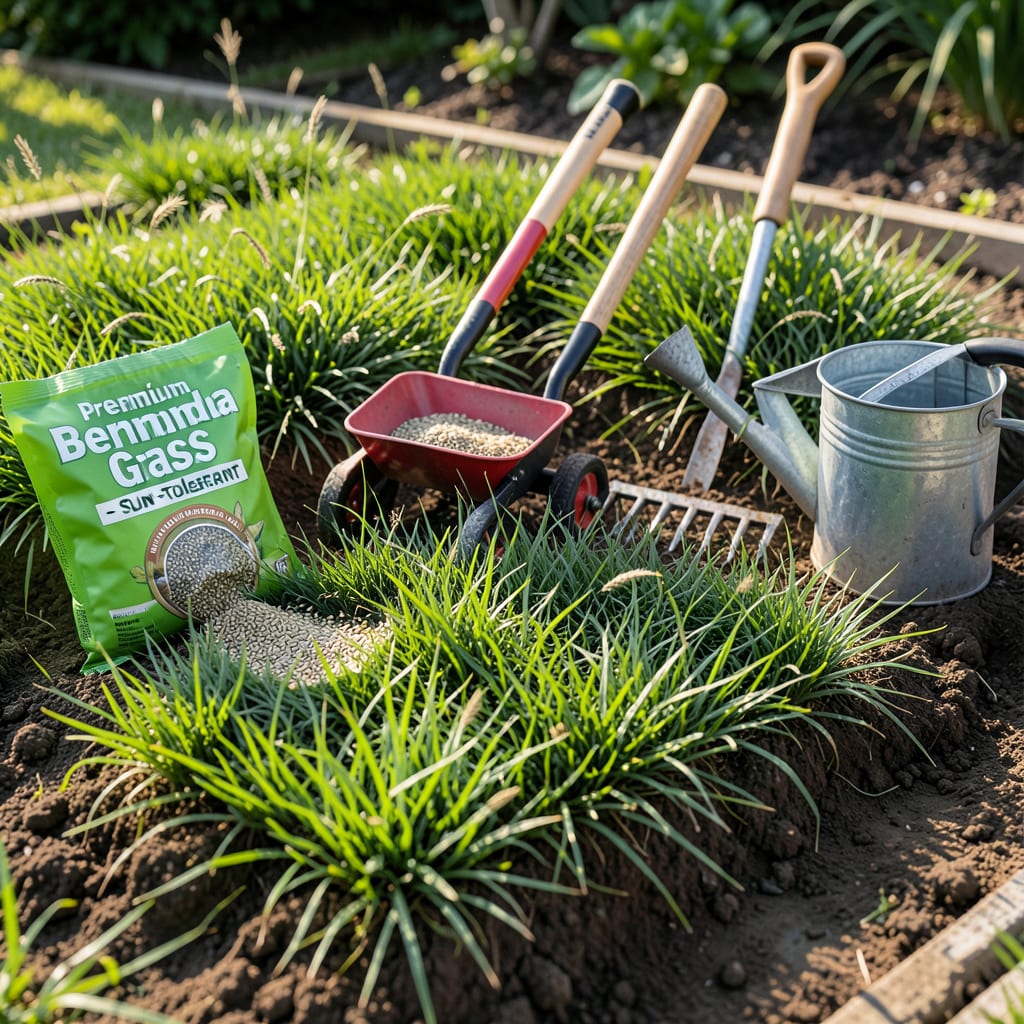
Timing your grass planting in Arizona isn’t just about picking a date—it’s about outsmarting the desert. Plant too late, and your 🌱 seed will fry under the relentless sun. Go too early, and frost might wipe out your efforts before they even begin.
After years of testing what works (and what doesn’t) in Zone 9b, I’ve nailed down the two perfect windows for lush results. Whether you’re overseeding for winter green or establishing a summer lawn, I’ll show you exactly when to act—and why those extra weeks make all the difference.
If you’ve ever tried growing grass in Arizona, you know it’s not like planting in milder climates. The scorching summers and cool winters demand precise timing. I’ve learned through trial and error that fall is king for seeding—specifically September through October—when soil temps hover between 50°F and 65°F. ☀️
But Arizona isn’t one-size-fits-all. The low desert (Phoenix, Tucson) and high desert (Flagstaff, Prescott) have wildly different frost dates. In low desert zones, you can also plant in late February through April, while higher elevations should stick to late spring or early fall to avoid frost damage. 🌵
| Region | Best Planting Window | Grass Type | Soil Temp Range |
|---|---|---|---|
| Low Desert | Sept-Oct or Feb-Apr | Bermuda, Ryegrass | 50°F-65°F |
| High Desert | May-June or Sept | Tall Fescue, Buffalo | 55°F-70°F |
| Transition Zones | March-Apr or Sept-Oct | Zoysia, Hybrid Bermuda | 55°F-75°F |
For warm-season grasses like Bermuda or Zoysia, aim for late spring to early summer when nighttime temps stay above 60°F. These varieties thrive in Arizona’s heat but need consistent watering during establishment. I’ve found that June plantings often struggle with monsoon humidity, so May is ideal. 💧
Cool-season grasses such as Tall Fescue or Ryegrass perform best when planted in fall. The key is getting seeds in the ground 4-6 weeks before the first frost (around December 15 in most areas). This gives roots time to establish before winter dormancy. In high desert regions, push planting to early September to avoid early frosts. ❄️
Soil prep matters just as much as timing. I always aerate compacted soil and mix in compost to improve water retention. Arizona’s alkaline soil (pH 7.5-8.5) can lock out nutrients, so a pre-plant fertilizer with iron helps. Test your soil—it’s a game-changer for germination rates. 🌱
Watering is where most people fail. New seed needs light, frequent watering (2-3 times daily) to keep the top inch moist. Once sprouted, deep watering (1-1.5 inches weekly) encourages root growth. Avoid evening watering—fungal diseases love Arizona’s warm nights. A soaker hose or drip system works best to minimize evaporation. ✂️
If you’re overseeding an existing lawn (common in Arizona), scalp the grass first by mowing it low (½ inch). This lets sunlight reach the soil. For Bermuda lawns, I overseed with Ryegrass in October—it stays green through winter and dies back naturally by May, just as Bermuda wakes up. 🌿
Monsoon season (July-August) is a terrible time to plant. Heavy rains can wash away seed, and high humidity promotes fungal growth. If you miss the fall window, early spring is your backup. Just watch for late frosts in higher elevations—cover new seedlings with frost cloth if temps dip below 32°F. ⚠️
Finally, choose drought-tolerant varieties like Buffalo grass or Native Arizona Fescue if water conservation is a priority. These need 30% less water once established. For a lush, traditional lawn, Tifway 419 Bermuda or Midnight Kentucky Bluegrass (in cooler zones) are top picks. 🌳
Remember, Arizona lawns are a marathon, not a sprint. Patience with watering, mowing, and fertilizing pays off. I’ve seen bare patches transform into vibrant turf in just 8-12 weeks with the right timing and care. Your turn—get that seed in the ground and watch it thrive! 🌻
Not all grasses thrive in Arizona’s extreme heat and alkaline soil. After testing dozens of varieties, I’ve narrowed it down to five winners that handle the desert like champs. Each has unique strengths—whether it’s drought tolerance, heat resistance, or year-round greenery. 🌵
The key is matching the grass to your microclimate. Low desert dwellers need heat-loving Bermuda, while high desert gardens thrive with cool-season Fescue. I’ll break down the best planting windows and care tips for each—so you can skip the guesswork. ☀️
| Grass Type | Best Planting Time | Heat Tolerance | Water Needs | Ideal For |
|---|---|---|---|---|
| Bermuda 🌱 | May-June or Sept | Extreme (110°F+) | High (daily in summer) | Low desert, full sun |
| Tall Fescue 🌿 | Sept-Oct or March | Moderate (90°F max) | Medium (3x weekly) | High desert, partial shade |
| Perennial Ryegrass 🌾 | Oct-Nov (overseeding) | Low (80°F ideal) | High (daily in fall) | Winter lawns, overseeding |
| Buffalo Grass 🪴 | April-May | High (100°F+) | Low (drought-tolerant) | Water-wise yards, native look |
| Zoysia ✂️ | May or Sept | High (105°F+) | Medium (2x weekly) | Transition zones, durable turf |
Bermuda grass is the gold standard for Arizona’s low desert. It laughs at 110°F temps and recovers quickly from foot traffic. I plant it in late May when soil hits 70°F. The trick? Daily watering for the first 3 weeks, then taper off. Avoid July plantings—monsoon humidity invites fungus. 💧
For high desert areas like Flagstaff, Tall Fescue is my go-to. It stays green through light frosts and handles cool nights. Plant in early September for winter establishment. Pro tip: Mix 10% Kentucky Bluegrass for extra cold hardiness. Just don’t let it dry out—consistent moisture is critical. ❄️
Perennial Ryegrass is the overseeding hero for winter lawns. I broadcast it over Bermuda in mid-October—it germinates fast and stays lush until May. Water twice daily until established. Warning: It dies in summer heat, so don’t plant it as a permanent lawn. 🌱
Buffalo grass is the ultimate low-water option. Once established, it needs 50% less water than Bermuda. Plant in April when soil reaches 60°F. It grows slowly, so be patient. I love its soft texture and native adaptability. Just don’t expect a manicured look—it’s more “wild prairie” than golf course. 🌿
Lastly, Zoysia is the middle-ground champion. It handles heat and cold better than most, making it perfect for transition zones like Payson. Plant plugs in May or September. The catch? It browns in winter but bounces back. For year-round green, overseed with Ryegrass. ✂️
Even with perfect timing, small mistakes can ruin your Arizona lawn before it starts. I’ve seen countless seed failures from avoidable errors—like overwatering or skipping soil prep. The desert doesn’t forgive sloppy technique. Let’s fix that. 🌵
First up: watering mismanagement. New seed needs consistent moisture, but there’s a right and wrong way. I’ll show you how to avoid the two deadly extremes—drowning seeds or letting them dry out—plus the best times to water in Arizona’s climate. 💧
New grass seed needs light, frequent watering (2-3x daily) for the first 2-3 weeks. The mistake? Evening watering, which invites fungal diseases in warm nights. Stick to early mornings (4-8 AM) to reduce evaporation and disease risk.
Arizona’s compacted, alkaline soil (pH 7.5-8.5) can block nutrient uptake. Always aerate and mix in 2-3 inches of compost before planting. A soil test ($15 at local extensions) reveals if you need sulfur to lower pH or iron supplements for greening.
Grass seed needs light to germinate—bury it too deep, and it won’t sprout. The sweet spot? ¼ inch deep, lightly raked into soil. For overseeding, use a lawn roller to press seed into soil without covering it. Pro tip: Mix seed with sand for even distribution.
Another big blunder: ignoring seed-to-soil contact. Broadcast spreading seed on hard ground? It’ll just blow away or become bird food. After planting, I lightly rake the area, then cover with a thin layer of straw (¼ inch) to retain moisture. Avoid hay—it’s full of weed seeds. 🌱
Timing your first mow wrong can also wreck new grass. Never cut until blades reach 3-4 inches tall—usually 4-6 weeks after germination. Use a sharp blade set to 2 inches for the first trim. Dull blades tear grass, inviting disease. And never remove more than ⅓ of the blade at once. ✂️
Finally, don’t forget post-planting fertilization. While you shouldn’t fertilize at planting (it can burn tender roots), apply a slow-release nitrogen fertilizer 4-6 weeks after germination. I use a 16-4-8 ratio in early morning, followed by deep watering. Skip summer fertilizing—heat + fertilizer = burned lawns. 🌿
For Phoenix’s low desert climate, September through October is ideal. This window avoids the brutal summer heat while giving roots time to establish before winter. If you miss fall, late February to early April works too—just watch for late frosts.
Summer planting is risky due to extreme heat and monsoon rains. Seed often dries out or washes away. If you must, choose heat-tolerant Bermuda and plant in early June with shade cloth and frequent watering.
New seed needs light watering 2-3 times daily for the first 2-3 weeks to keep soil moist. Use a mist setting to avoid washing seed away. Once sprouted, shift to deep watering 1-2 times weekly. Always water in early morning.
Overseeding adds temporary grass (like Ryegrass) to an existing lawn for winter green. Planting new grass establishes a permanent lawn. In Arizona, overseed Bermuda with Ryegrass in October; plant new lawns in fall or spring.
