
Beautiful Plants For Your Interior
Beautiful Plants For Your Interior
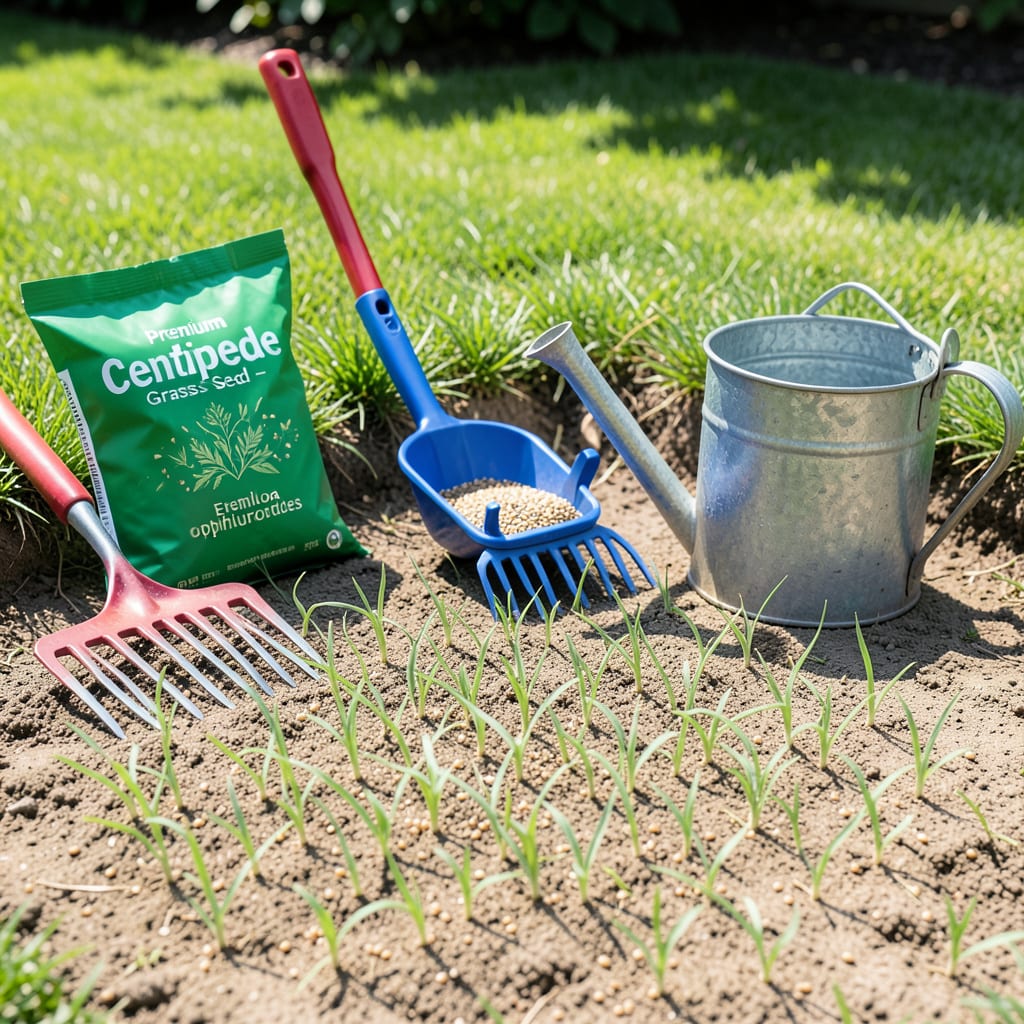
That perfect Alabama lawn doesn’t happen by accident—it starts with one critical decision: when to put seed in the ground. Plant too early, and frost might ruin your efforts. Wait too long, and summer heat will fry those tender sprouts before they even take root.
After helping dozens of neighbors transform patchy yards into lush carpets of green, I’ve learned timing varies dramatically between Birmingham’s Piedmont clay and Mobile’s sandy coast. Let me show you exactly how to sync your planting with Alabama’s 7b–9a zones—so your ✂️grass thrives from day one.
If you’ve ever struggled with patchy grass or weak germination, timing is likely the culprit. Alabama’s diverse climate zones—from the cooler Piedmont region to the humid Coastal Plains—demand different approaches. The key? Matching your grass type to the right soil temperature and frost dates. 🌱
For warm-season grasses like Bermuda or Zoysia, aim for late spring to early summer when soil hits 70–90°F. Cool-season varieties like Tall Fescue thrive in early fall (September–October) or early spring (March–April) when temps hover around 50–65°F. But here’s the twist: Coastal Alabama stays warmer longer, so adjust accordingly. ✂️
| Region | Grass Type | Best Months | Soil Temp Range | Notes |
|---|---|---|---|---|
| Piedmont (Zone 7b-8a) | Cool-Season (Fescue, Rye) | Sept–Oct, March–April | 50–65°F | Avoid late frost (April 1). |
| Piedmont (Zone 7b-8a) | Warm-Season (Bermuda, Zoysia) | May–June | 70–90°F | Plant after last frost (March 15). |
| Coastal (Zone 8b-9a) | Cool-Season (Fescue, Rye) | Oct–Nov, Feb–March | 55–70°F | Milder winters allow later planting. |
| Coastal (Zone 8b-9a) | Warm-Season (Centipede, St. Augustine) | April–July | 75–95°F | Humidity helps establishment. |
In the Piedmont, where clay soil dominates, I recommend amending with compost before planting. This improves drainage and helps roots establish faster. For Coastal areas, sandy soil dries out quickly, so mulch lightly after seeding to retain moisture. Both regions benefit from early morning watering—aim for 1 inch per week until germination. 💧
Here’s a rule I swear by: Plant cool-season grass 45–60 days before the first frost. In Birmingham (Zone 8a), that’s early October. Down in Mobile (Zone 9a), you can push it to November. For warm-season grasses, wait until soil temps stay above 65°F—usually May in the Piedmont and April along the coast. Timing this right avoids summer drought stress or winter dormancy issues. ☀️
Don’t overlook frost dates! Alabama’s last frost ranges from February 15 in Zone 9a to April 1 in Zone 7b. Planting too early risks frost damage, while waiting too long means battling summer heat. I’ve seen gardeners lose entire lawns by seeding in July or August—the worst time due to drought and high temps. Stick to the shoulder seasons for success. 🌡️
If you’re overseeding a warm-season lawn with cool-season grass (like Ryegrass) for winter green, do it in early fall—September for Piedmont, October for Coastal. This gives roots time to establish before cold sets in. Just remember: mow your existing lawn short first, and keep the seed moist until it germinates. ✂️
For new lawns, prep is everything. I always till the soil, remove debris, and level the area before seeding. A starter fertilizer (like 16-4-8) gives grass a boost, but avoid heavy nitrogen in summer—it burns young roots. And here’s a secret: Lightly rake seed into soil (⅛ inch deep) for better contact. This simple step doubles germination rates in my experience! 🌿
Finally, watch the weather forecast after planting. If heavy rains are predicted, cover seed with straw to prevent washing away. In drought conditions, water daily until sprouts appear (usually 7–21 days). Once established, most Alabama grasses need 1–1.5 inches of water weekly, including rainfall. Adjust for your region’s microclimate—Coastal lawns may need less, while Piedmont clay holds moisture longer. 💧
By following these region-specific timing tips, you’ll avoid the common mistakes I see in Alabama lawns. Whether you’re in Huntsville’s cooler hills or Gulf Shores’ humidity, the right schedule makes all the difference. Next up, we’ll dive into the 3 biggest mistakes Alabama gardeners make—and how to fix them! 🌤️
Even with perfect timing, small errors can ruin your lawn. After helping dozens of Alabama homeowners troubleshoot patchy grass, I’ve noticed three repeat offenders. These mistakes seem minor but lead to weak germination, disease outbreaks, or wasted seed. Let’s fix them before you sow! 🌱
The first blunder? Skipping soil prep. Alabama’s clay-heavy Piedmont and sandy Coastal soils both need attention. I’ve seen gardeners toss seed onto compacted dirt or weed-choked areas and wonder why nothing grows. Test your soil pH (ideal: 6.0–7.0) and loosen the top 2–3 inches before planting. ✂️
Seed needs ⅛ inch coverage—not buried or surface-sown. Use a lawn roller after planting to ensure contact.
Keep seed moist (not soggy) for 10–14 days. Use a mist nozzle to avoid displacing seed.
Avoid high-nitrogen fertilizer at planting. Use a starter fertilizer (like 16-4-8) after germination.
The second mistake is over- or under-watering. Alabama’s unpredictable rains make this tricky. In Piedmont clay, water pools easily, while Coastal sand drains too fast. My rule: Water lightly daily until sprouts appear, then deep-soak weekly. Use a rain gauge to track moisture—1 inch per week is ideal. 💧
Here’s a surprise culprit: using the wrong seed blend. I’ve seen gardeners plant cool-season Fescue in Mobile’s Zone 9a heat—it burns out by July. Match your grass to your USDA zone. For shady yards, try St. Augustine; for high-traffic areas, Bermuda withstands wear. Always check the seed label for zone suitability. ☀️
Another overlooked issue? Planting at the wrong time of day. Midday sun dries out seed before it germinates. I plant in early morning or late afternoon to reduce stress. If you’re overseeding, mow low first (1.5 inches) and remove clippings so seed reaches soil. This small step prevents poor contact, a major cause of failure. 🌡️
Finally, don’t forget post-planting care. Once sprouts hit 2–3 inches, reduce watering but increase mowing height. In Alabama’s humidity, 3–4 inches helps grass outcompete weeds. And here’s my secret: Apply a light mulch (like straw) after planting to retain moisture and block weeds without smothering seed. 🌿
Choosing the right grass for Alabama’s climate isn’t just about looks—it’s about survival. Our state’s 7b–9a zones create a battleground where some grasses thrive and others wither. I’ve seen Bermuda lawns flourish in Mobile’s heat while Fescue struggles, just as Tall Fescue stays lush in Birmingham’s cooler Piedmont where Bermuda browns out. 🌱
The secret? Match your grass to your region’s microclimate. Warm-season grasses like Bermuda, Zoysia, and Centipede dominate Coastal Alabama (Zones 8b–9a) because they love heat and humidity. Meanwhile, cool-season grasses like Tall Fescue and Ryegrass excel in the Piedmont’s milder temps (Zones 7b–8a). But there’s a catch: transition zones (like Montgomery) can support both types with careful timing. ☀️
For Coastal Alabama (Zone 9a), I recommend Centipede grass for its low fertilizer needs and salt tolerance—perfect near the Gulf. Bermuda is another winner here, but it requires frequent mowing (weekly in peak summer). If you’re in Baldwin or Mobile County, St. Augustine handles the humidity and shade better than most. Just watch for chinch bugs—they love this grass! ✂️
Up in the Piedmont (Zones 7b–8a), Tall Fescue reigns supreme. It stays green nearly year-round in Birmingham and handles clay soil better than warm-season options. For shady lawns, mix Fescue with Fine Fescue for a low-maintenance, drought-tolerant blend. Avoid Kentucky Bluegrass unless you’re ready for high watering and fertilizing—it’s fussy in Alabama’s heat. 💧
Here’s my region-specific cheat sheet: Coastal (8b–9a): Centipede > Bermuda > Zoysia > St. Augustine. Piedmont (7b–8a): Tall Fescue > Kentucky Bluegrass (with care) > Fine Fescue blends. Transition (8a): Bermuda base + Ryegrass overseed for winter green. Use soil tests to pick winners—Alabama’s clay vs. sand changes everything! 🌡️
Fall (September–October) is ideal for most regions. The soil stays warm while air temps cool, reducing stress on new grass. Spring works too, but avoid late plantings that face summer heat before roots establish.
Only if you’re prepared for intensive care. Summer’s 90°F+ temps and drought conditions stress seedlings. If you must, choose drought-tolerant Bermuda and water daily at dawn.
Check two things: temperature (use a soil thermometer—60–75°F for cool-season, 70–90°F for warm-season) and moisture. Squeeze a handful—it should crumble, not clump or dust.
Ryegrass germinates in 5–10 days, making it great for quick cover or overseeding. For permanent lawns, Bermuda establishes rapidly in warm zones but requires more maintenance.
Opt for shade-tolerant Tall Fescue or St. Augustine in Piedmont and Coastal regions, respectively. Reduce seed rates by 25% and improve soil with compost—shady spots often have poorer soil quality.
