
Beautiful Plants For Your Interior
Beautiful Plants For Your Interior
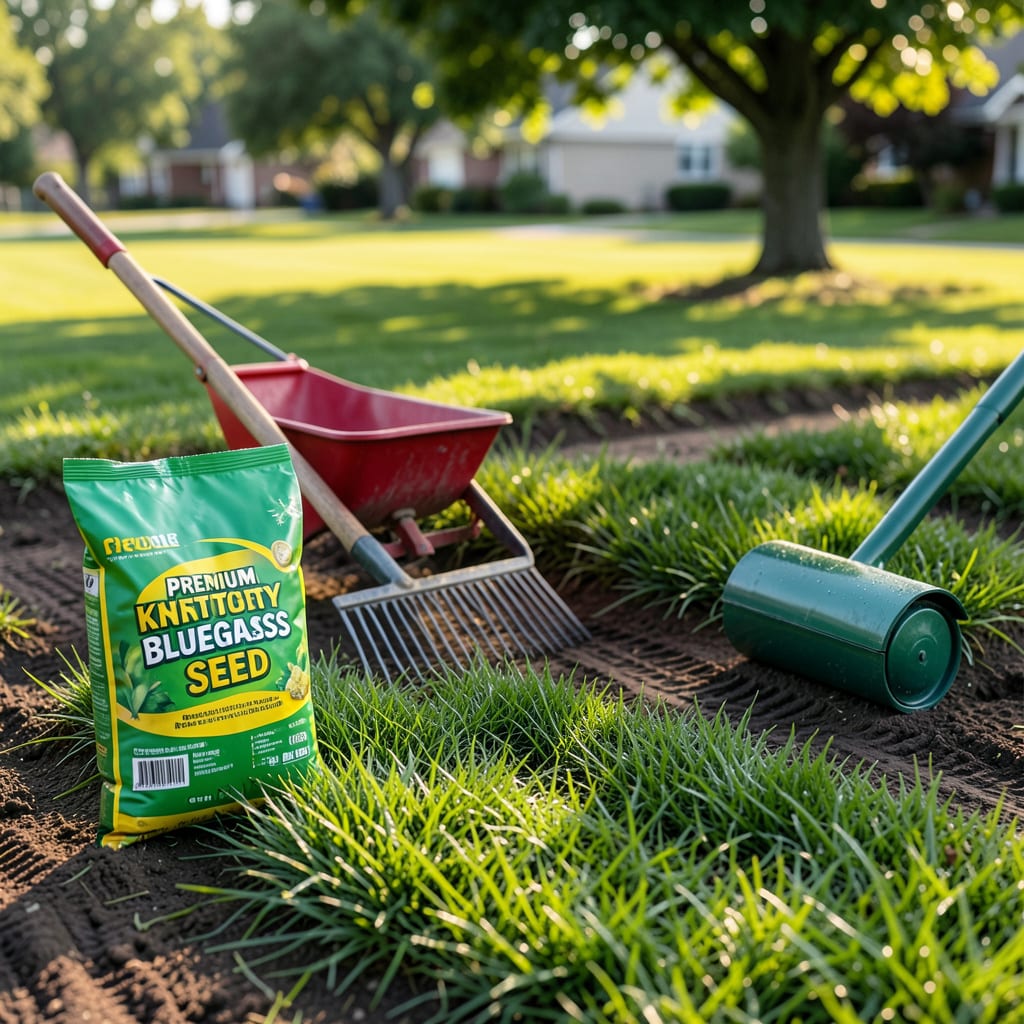
Timing your grass planting in Wisconsin can mean the difference between a lush, green lawn and a patchy disappointment. Our state’s unpredictable climate—with its short spring window and early frosts—demands precision if you want results that last.
Whether you’re seeding a new yard or overseeding an existing one, I’ll break down the exact windows that work for Wisconsin’s cool-season grasses. From soil temps to frost dates, you’ll learn how to sync your planting with nature’s calendar for a lawn that thrives from spring through fall.
If you’re dreaming of a lush, green lawn in Wisconsin, timing your grass planting is everything. Wisconsin’s climate—with its cold winters and unpredictable springs—means you’ve got two prime windows: early spring and early fall. Miss these, and you risk poor germination or winter kill.
I always recommend fall planting as the gold standard for Wisconsin lawns. The soil stays warm while air temps cool, creating perfect conditions for cool-season grasses like Kentucky Bluegrass and Fine Fescue. But spring can work too—if you act fast after the last frost.
For Northern Wisconsin (Zones 3–4), aim to plant 1–2 weeks earlier in spring and 1 week later in fall compared to Southern WI. The USDA Zone 5 areas around Madison and Milwaukee have a slightly longer growing season, but soil temps are your best guide.
Here’s my pro tip: Use a soil thermometer to check temps at 2-inch depth. If it’s consistently 50°F or higher, you’re good to plant. Below that, seeds will just sit dormant. I’ve seen too many homeowners waste seed by planting when the soil’s still too cold.
Fall planting wins because cool nights and warm days create ideal conditions. Your grass gets 6–8 weeks to establish roots before winter. In spring, you’re racing against rising temps and weed pressure. If you go the spring route, plant as early as possible.
Watch the 10-day forecast before planting. If nighttime temps will dip below 40°F, hold off. Young grass seedlings can’t handle frost. I learned this the hard way after a late April cold snap wiped out my first attempt at a new lawn!
For overseeding existing lawns, early fall is still best, but you can also sneak in a late summer session (mid-August) if you’re in Southern WI. Just be sure to water deeply—new seedlings need 1 inch of water per week to thrive.
If you’re dealing with clay-heavy soil (common in Wisconsin), aerate first to improve seed-to-soil contact. I like to mix in compost to boost organic matter. And don’t skip the starter fertilizer—it gives seeds the phosphorus kick they need.
Remember, Wisconsin’s last frost dates vary: May 15 up north (like Rhinelander) to April 30 in the south (like Kenosha). Always check your local frost dates and adjust planting times accordingly. The UW-Madison Extension has a great tool for this!
Finally, avoid the summer months (June–August) for planting. The heat and drought stress young grass, and you’ll spend a fortune on water trying to keep it alive. Trust me—I’ve seen more failed summer lawns than I can count. Stick to spring or fall, and you’ll thank yourself later. 🌱
Not all grass seed thrives in Wisconsin’s cool-season climate, so choosing the right variety is just as important as timing. I’ve tested dozens of mixes over the years, and the winners always fall into three categories: Kentucky Bluegrass, Fine Fescue, and Tall Fescue. Each has unique strengths for Wisconsin’s Zones 4–5.
For sunny yards, Kentucky Bluegrass is the gold standard—it spreads beautifully and handles Wisconsin winters like a champ. But if your lawn gets shady spots, Fine Fescue blends are your best bet. They’re drought-tolerant too, which is a lifesaver during Wisconsin’s dry spells. 🌱
If you’re in Northern Wisconsin, lean toward Fine Fescue or Kentucky Bluegrass blends—they handle cold snaps better. For Southern Wisconsin, Tall Fescue is a great all-rounder, especially if you’ve got clay soil that dries out fast.
Perennial Ryegrass is my secret weapon for quick repairs. It germinates in just 5–10 days, making it perfect for patching bare spots in early fall. But be warned—it’s not as cold-hardy as other options, so avoid planting it too late in the season.
For shady lawns, I always recommend a Fine Fescue mix with at least 70% Creeping Red Fescue. It thrives under trees where other grasses struggle. Just remember: shade-tolerant doesn’t mean no-sun. Even these varieties need 3–4 hours of dappled light daily.
If you’re dealing with high-traffic areas (like kids’ play zones), blend Kentucky Bluegrass with 10–20% Perennial Ryegrass. The ryegrass germinates fast to stabilize the soil while the bluegrass establishes. This combo gives you durability without sacrificing that classic lawn look.
Pro tip: Always check the seed label for “100% weed-free” certification. Cheap mixes often contain annual grasses or weeds that’ll invade your lawn. I learned this after a bargain bin seed mix turned my yard into a crabgrass jungle one summer! 🌿
Even with perfect timing, small mistakes can sabotage your Wisconsin lawn. I’ve seen homeowners waste hundreds of dollars on seed and fertilizer, only to end up with patchy grass. The good news? Most issues are preventable if you know what to watch for. Let’s tackle the top five blunders I see every season.
First up: planting too late in fall. Wisconsin’s first frost can sneak up fast, especially in Northern regions. If your grass hasn’t established 2–3 inch roots before winter, it won’t survive. I always stop planting by September 15 in Zone 4 and October 1 in Zone 5 to be safe.
Another big one: ignoring soil pH. Wisconsin’s native soil often leans acidic (pH 5.5–6.5), but most grasses prefer 6.0–7.0. I always recommend a $15 soil test from the UW-Madison Extension. If your pH is off, add pelletized lime to sweeten the soil before planting.
Wisconsin’s clay-heavy soil causes two major problems: poor drainage and compaction. If water pools on your lawn after rain, you’ve got clay. The fix? Aerate before planting and mix in 2–3 inches of compost. I’ve seen this simple step transform struggling lawns into thriving turf.
Here’s a mistake I made my first year: watering too lightly. New grass needs deep, infrequent watering—about 1 inch per week, including rainfall. Set out a tuna can to measure sprinkler output. And always water in the early morning to prevent fungal diseases like dollar spot or red thread.
Finally, don’t cheap out on seed. Those $5 bargain bins at the hardware store often contain weed seeds or annual grasses that die after one season. I only buy certified weed-free mixes from reputable brands like Jonathan Green or Scotts. The extra $10 per bag saves hundreds in weed control later. 🌿
For Wisconsin lawns, aim for soil temps between 50–65°F at 2-inch depth. This typically occurs in early spring (April–May) and early fall (August–September). Use a soil thermometer to check—planting in colder soil leads to poor germination.
Avoid summer planting (June–August) in Wisconsin. The heat and drought stress young grass, requiring excessive watering. Even with careful maintenance, success rates drop significantly compared to spring or fall planting windows.
Wisconsin’s clay soil needs aeration first, followed by mixing in 2–3 inches of compost. This improves drainage and root penetration. For best results, test soil pH and amend with lime if needed before planting.
Stop planting by September 15 in Northern WI (Zone 4) and October 1 in Southern WI (Zone 5). Seed needs 6–8 weeks to establish roots before frost. Check your local frost dates for precise timing.
