
Beautiful Plants For Your Interior
Beautiful Plants For Your Interior
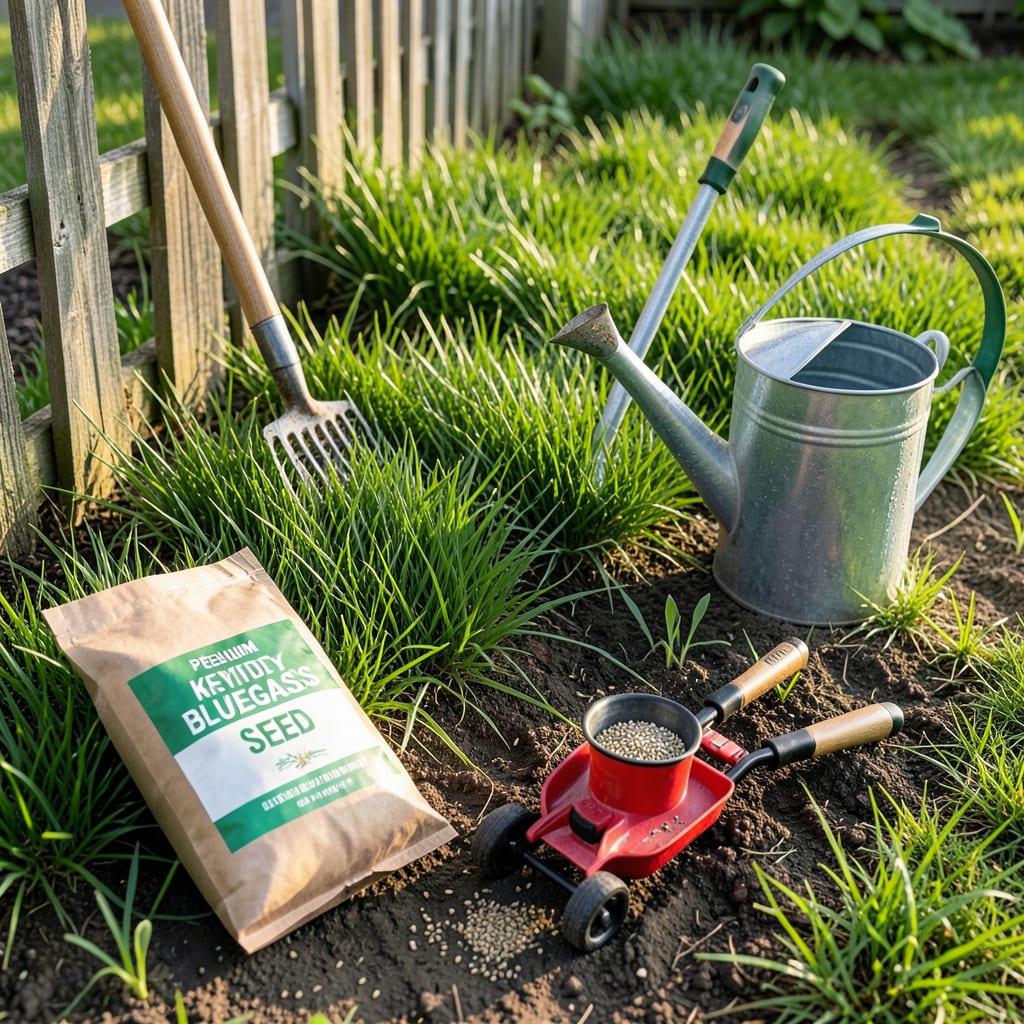
Timing your grass planting in Pennsylvania can mean the difference between a patchy yard and a lush, green lawn. I’ve seen too many homeowners waste time and money by sowing seeds at the wrong moment—only to watch their efforts wash away with the first frost or summer drought.
Here’s the good news: with PA’s USDA Zone 6 climate, you’ve got two prime windows to get it right. I’ll break down the exact months for cool-season grasses (like Kentucky Bluegrass) and why early fall beats spring for long-term success. Let’s make sure your 🌱 grass thrives, not just survives.
If you’ve ever wondered why your neighbor’s lawn looks like a golf course while yours resembles a patchy quilt, timing might be the culprit. In Pennsylvania’s unpredictable climate, planting grass at the right moment is everything. The difference between a lush lawn and a disappointing one often comes down to just a few weeks.
Pennsylvania spans USDA zones 5-7, meaning your planting window shifts slightly depending on whether you’re in Pittsburgh’s cooler hills or Philadelphia’s milder suburbs. Cool-season grasses like Kentucky Bluegrass and Tall Fescue thrive here, but warm-season varieties can work in southern PA if timed correctly.
| Grass Type | Ideal Months | Soil Temp Range | Best PA Zones |
|---|---|---|---|
| Kentucky Bluegrass | Aug 15–Sep 30 | 50–65°F | 5, 6, 7 |
| Tall Fescue | Aug 1–Sep 20 | 55–65°F | All zones |
| Perennial Ryegrass | Mar 20–Apr 10 or Aug 15–Sep 10 | 50–65°F | 6, 7 |
| Zoysia | May 15–Jun 30 | 70–85°F | 7 (southern PA) |
Note: Soil temps are critical—use a soil thermometer ($10 at any garden center) to check before planting.
For 90% of PA lawns, early fall (August–September) is the golden window. The soil is still warm from summer, but cooler air temps reduce stress on new grass. Plus, fewer weeds compete with your seedlings, and autumn rains often handle watering for you. I’ve seen lawns planted in this window establish twice as fast as spring plantings.
Spring planting (March–April) is your second-best option, but it comes with challenges. Weed pressure is higher, and late frosts can damage tender sprouts. If you go this route, aim for at least 45 days before your area’s last frost date (around April 15 for most of PA).
Warm-season grasses like Zoysia or Bermudagrass are rare in PA but can work in zone 7 (think Lancaster County or south of Harrisburg). These need soil temps above 70°F, so wait until late May to plant. They’ll go dormant early in fall, so don’t expect year-round green.
Here’s a pro tip: Check your local frost dates using the USDA interactive map. For example, Erie’s last frost is around May 10, while Philadelphia’s is closer to April 15. That two-week difference can make or break your lawn’s success.
If you’re overseeding an existing lawn, early September is ideal. The old grass is still growing but slowing down, giving new seeds less competition. Use a slice seeder for best results—it cuts grooves in the soil so seeds make direct contact, which doubles germination rates compared to broadcasting.
Remember, soil prep is just as important as timing. Test your soil’s pH (aim for 6.0–7.0) and amend with compost or lime if needed. I’ve seen lawns fail not because of bad timing, but because the seed sat on compacted soil. Loosen the top 2–3 inches before planting for best results.
Finally, watering matters more than you think. New grass seed needs light, frequent watering (think mist twice daily) until it germinates, then deeper, less frequent watering to encourage root growth. A timer on your hose ($20 at Home Depot) can save you from over- or under-watering.
Even with perfect timing, your PA lawn can fail if you fall into these common traps. I’ve seen first-time planters and seasoned gardeners alike make these errors—often without realizing it until their grass struggles to grow. The good news? Every mistake here has an easy fix.
One of the biggest issues I encounter is ignoring soil temperature. Many folks plant based on the calendar instead of what’s happening underground. Cool-season grasses need 50–65°F soil, while warm-season types require 70°F+. A $10 soil thermometer from your local garden center can save you weeks of frustration.
Pro Tip: Set phone reminders for watering and frost dates—it’s the easiest way to stay on track.
Another frequent misstep is underestimating weed competition. Spring plantings often struggle because weeds germinate faster in warming soil. If you’re planting in spring, apply a pre-emergent herbicide (like crabgrass preventer) 6 weeks before seeding—but never mix it with grass seed, as it’ll block germination.
I can’t stress enough how critical seed-to-soil contact is. Broadcasting seed over hard soil is like tossing money into the wind. Use a rake or slice seeder to ensure seeds are ⅛–¼ inch deep. For overseeding, mow your existing lawn short (1.5 inches) first so seeds reach the soil.
Many PA gardeners also overlook regional microclimates. A lawn in Pittsburgh (zone 6) might frost a month earlier than one in Philadelphia (zone 7). If you’re near mountains or rivers, your planting window could shift by 2–3 weeks. When in doubt, call your Penn State Extension office for hyper-local advice.
Finally, don’t forget about post-planting care. New grass needs consistent moisture for 3–4 weeks, but many stop watering too soon. Use the “footprint test”: if your footprints stay visible after walking on the lawn, it’s time to water. And hold off on mowing until grass reaches 3–4 inches tall—cutting too early can uproot delicate seedlings.
If you’ve made these mistakes before, don’t worry—even the best lawns often start with a few missteps. The key is learning from them and adjusting next season. I’ve rescued plenty of struggling lawns by simply re-seeding thin spots in early fall and improving watering habits. With PA’s cool nights and warm days, autumn is your secret weapon for lawn recovery.
Choosing the right grass type for your Pennsylvania lawn isn’t just about looks—it’s about survival. Our state’s diverse climate means what thrives in Pittsburgh’s cool hills might struggle in Philadelphia’s warmer suburbs. Let me break down which grasses match your PA location.
Over 90% of PA lawns use cool-season grasses like Kentucky Bluegrass, Tall Fescue, or Perennial Ryegrass. These varieties handle our cold winters and moderate summers beautifully. But if you’re in southern PA (zone 7), warm-season options like Zoysia might be worth considering.
PA Zone Tip: Cool-season grasses dominate north of Harrisburg; warm-season works south of Lancaster.
Kentucky Bluegrass remains the gold standard for most PA lawns. It spreads via rhizomes to fill bare spots naturally and handles our freeze-thaw cycles well. The catch? It needs full sun (6+ hours daily) and regular watering to stay lush. If your yard has shady areas, blend it with Fine Fescue for better coverage.
For low-maintenance lawns, Tall Fescue is my top recommendation. It tolerates drought, heat, and even poor soil better than other cool-season grasses. The deep root system (up to 3 feet) means less watering once established. Just be prepared for a coarser texture than bluegrass.
Warm-season grasses like Zoysia only make sense in southern PA where summers are hotter. They turn brown by October and stay dormant until May, which many homeowners dislike. However, their drought resistance is unmatched—ideal for sloped yards or areas with water restrictions. If you choose Zoysia, plant in late May when soil temps hit 70°F.
Here’s my zone-specific recommendation: North of I-80 (zones 5-6)? Stick with cool-season mixes. Between I-80 and I-76 (zone 6-7 transition)? Add 10-20% Tall Fescue for heat tolerance. South of I-76 (zone 7)? You can experiment with Zoysia in sunny spots, but keep cool-season grass for shady areas.
Remember, no single grass is perfect for every PA yard. I often recommend blends (like 70% Kentucky Bluegrass + 30% Perennial Ryegrass) to balance beauty, durability, and disease resistance. Your local Penn State Extension office can provide free soil tests and grass recommendations tailored to your exact location.
Cool-season grasses need soil between 50–65°F, while warm-season types require 70°F+. Use a $10 soil thermometer from any garden center to check before planting. This simple step prevents weeks of wasted effort.
Spring (March–April) is possible but riskier due to weed competition and late frosts. If you choose spring, plant 6+ weeks before your last frost (around April 15 for most of PA). Fall remains the safer bet.
Look for thin patches, bare spots, or areas where grass looks weak. Early September is ideal for overseeding in PA. Use a slice seeder for best results—it doubles germination rates compared to broadcasting.
Planting too late in fall! Seed needs 4–6 weeks before frost to establish. In PA, that means no later than September 20 for most areas. Skipping soil prep (like pH testing) is another common error.
