
Beautiful Plants For Your Interior
Beautiful Plants For Your Interior
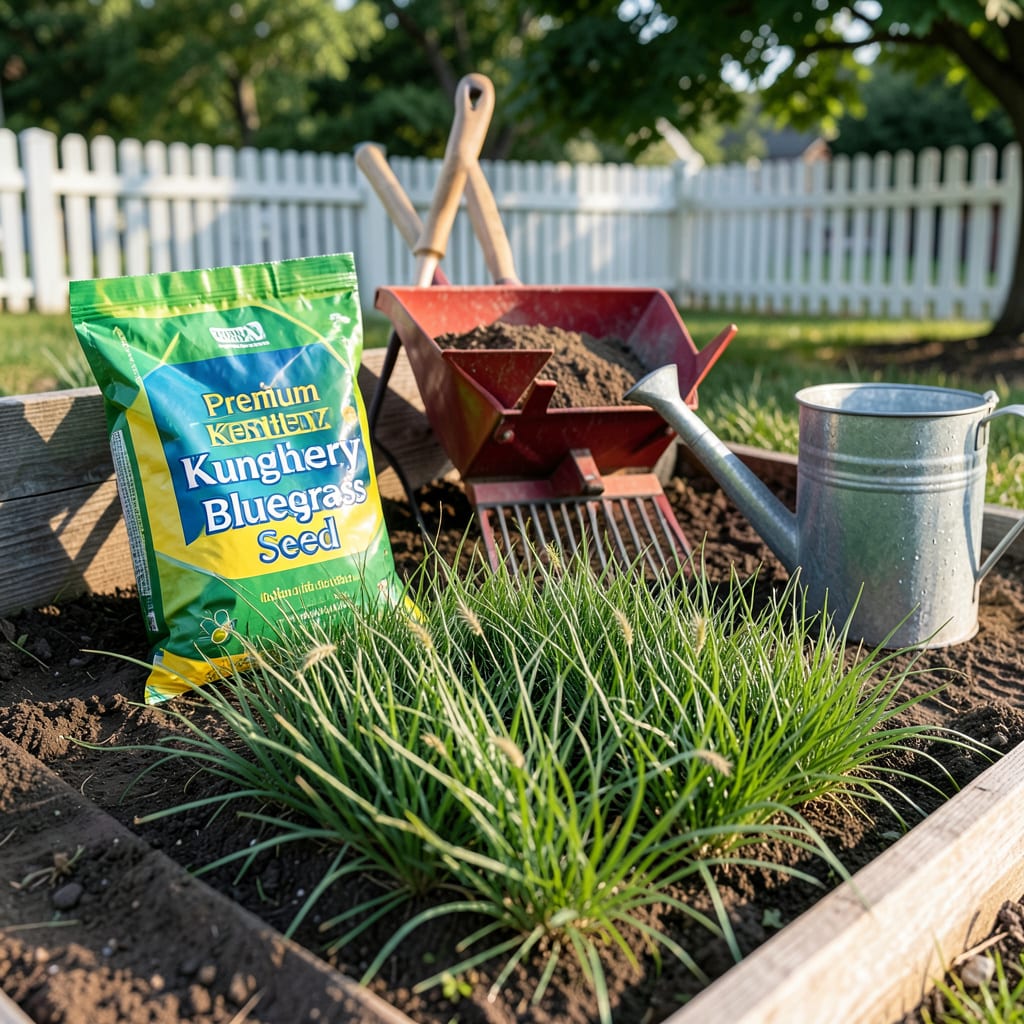
Your Oregon lawn’s success starts with a simple question: Did you plant your ✂️grass at the right time? One misstep in timing can mean patchy growth, wasted seed, or months of extra work—especially in our state’s unpredictable climate.
I’ve seen too many homeowners struggle with thin, weak lawns because they followed generic advice. The truth? Oregon’s three distinct climate zones demand different approaches. Let’s cut through the confusion and get your lawn off to the perfect start—no guesswork required.
If you’ve ever wondered why your neighbor’s lawn looks like a golf course while yours resembles a patchy desert, timing might be the culprit. Oregon’s diverse climate zones—from the misty coast to the arid high desert—demand different planting strategies. I’ll break down the exact windows for each region so you can plant with confidence.
The secret to a lush Oregon lawn? Soil temperature between 50°F–65°F—not just air temperature. Cool-season grasses like Kentucky bluegrass and fine fescue thrive in this range, while warm-season varieties (rare here) need 70°F+. Let’s dive into the specifics for your area.
| Region | Best Planting Months | Soil Temp Range | Grass Types |
|---|---|---|---|
| Coastal (Zones 8b-9a) | Sept–Oct, March–April | 50°F–60°F | Fine fescue, perennial ryegrass |
| Willamette Valley (Zone 8a) | Aug–Sept, March–May | 55°F–65°F | Kentucky bluegrass, tall fescue |
| High Desert (Zone 6b-7a) | Late Aug–Sept, April–May | 55°F–65°F | Tall fescue, wheatgrass |
Note: Avoid planting during summer droughts (June–July) or when frost is forecasted. Test soil temp with a thermometer 2″ deep at 9 AM.
In Western Oregon, the Willamette Valley’s mild winters let you plant as early as late August or as late as mid-October. Coastal areas stay warmer longer, so you can push planting into November if the soil stays above 50°F. Always check the 10-day forecast for heavy rain—too much water can wash away seeds.
Eastern Oregon’s high desert is a different beast. Here, frost can hit by mid-September, so aim to plant by Labor Day. I recommend drought-tolerant tall fescue or Idaho fescue (a native!) for these areas. Pro tip: Water deeply 3x/week for the first month to combat the dry air.
Spring planting? It’s possible, but fall is ideal because weeds are less aggressive and soil stays moist. If you must plant in spring, March–April is your window—but be ready to water more frequently as temps rise. I’ve seen spring-planted lawns struggle in June’s heat waves, so fall gets my vote every time.
Here’s a trick I swear by: Use a soil thermometer (not just air temps!). Stick it 2 inches deep at 9 AM. If it reads 50°F–65°F, you’re golden. Below 50°F? Seeds will rot. Above 70°F? They’ll dry out. Oregon’s microclimates mean your backyard might differ from your neighbor’s—so test your own soil!
Don’t forget soil prep! Oregon’s heavy clay soils (especially in the valley) need aeration and compost before planting. I mix in 1–2 inches of organic matter to improve drainage. For coastal areas, sandy soil drains too fast—add a peat moss blend to retain moisture. High desert? Mulch with straw to protect seeds from wind.
If you’re overseeding an existing lawn, early fall (September) is perfect. Mow low, rake out debris, and use a slice seeder for best contact. For new lawns, late summer gives roots time to establish before winter. And here’s a bonus: Planting in fall means fewer weeds to compete with your grass!
Still unsure? Call your local OSU Extension office—they offer free soil tests and region-specific advice. I’ve used their lawn calculators to dial in my planting dates, and it’s a game-changer. Remember, Oregon’s last frost dates vary wildly: April 15 in Portland, but May 15 in Bend. Always adjust for your exact location!
Final pro tip: Mark your calendar for 6 weeks after planting—that’s when to apply a starter fertilizer (like 16-8-8). And if you’re in the high desert, consider hydroseeding for better moisture retention. Now grab those seeds and get planting—your dream lawn is just a season away! 🌱
Even with perfect timing, a few missteps can sabotage your Oregon lawn before it even sprouts. I’ve seen well-intentioned gardeners waste hundreds on seed and soil prep—only to watch their grass fail. Let’s tackle the top 5 mistakes that derail lawns in our state’s tricky climate.
First up: Ignoring microclimates. Your Portland backyard might have shady corners that stay 10°F cooler than the sunny spots. I once planted Kentucky bluegrass in a north-facing area—it struggled until I swapped it for fine fescue, which thrives in partial shade.
Another biggie: Planting too deep or too shallow. Grass seed needs light to germinate—bury it more than ¼ inch deep, and it won’t sprout. I use a broadcast spreader for even coverage, then lightly rake it in. For slopes, hydroseeding prevents erosion while seeds establish.
Here’s a mistake I made early on: Using cheap seed. Those $20 bags at the hardware store often contain weed seeds and low-germination rates. Now I splurge on certified, region-specific blends from local nurseries. The OSU Extension even tests varieties for Oregon—look for their “recommended” stamp.
Don’t overlook post-planting care! New grass needs gentle foot traffic only for the first month. I once ruined a patch by mowing too soon—wait until blades reach 3–4 inches. And hold off on fertilizer until after the first mow; young roots can’t handle the burn.
Finally, timing your herbicides wrong can kill your grass before it grows. If you must use weed killer, choose a “new lawn” formula and apply it 30 days before planting. For organic options, corn gluten meal suppresses weeds but won’t harm seeds—just apply it right after planting.
Remember, Oregon’s fall rains are your ally—but they can also bring fungal diseases like powdery mildew. If your lawn stays wet for days, improve drainage with sand or perlite. And if you’re in the Willamette Valley, watch for moss invasion in shady areas; liming the soil helps raise pH and discourage it.
By dodging these pitfalls, you’ll set your lawn up for success. And if you’re ever unsure, snap a photo and email your local OSU Master Gardener—they’ve saved my bacon more than once! Now go plant that grass like a pro. ✂️
Not all grass is created equal—especially in Oregon’s diverse climates. Choosing the wrong type can mean patchy lawns, high water bills, or constant battles with weeds and moss. Let me break down the top performers for our state’s unique conditions.
Oregon’s cool, wet winters and dry summers demand grasses that can handle both flooding and drought. I’ve tested dozens of varieties, and these are the champions for different regions. Whether you’re in Portland’s rainy valleys or Bend’s high desert, there’s a perfect match for your lawn.
| Grass Type | Best For | Drought Tolerance | Shade Tolerance | Maintenance |
|---|---|---|---|---|
| Tall Fescue | High desert, sunny areas | ⭐⭐⭐⭐⭐ | ⭐⭐⭐ | Low |
| Fine Fescue | Coastal, shady spots | ⭐⭐⭐ | ⭐⭐⭐⭐⭐ | Medium |
| Perennial Ryegrass | Quick cover, high traffic | ⭐⭐ | ⭐⭐⭐ | High |
| Kentucky Bluegrass | Willamette Valley, lush lawns | ⭐⭐ | ⭐⭐⭐⭐ | High |
| Idaho Fescue | Native, low-water areas | ⭐⭐⭐⭐⭐ | ⭐⭐⭐⭐ | Low |
Note: For high-traffic areas, blend perennial ryegrass with tall fescue for durability. In shady spots, fine fescue outperforms all others.
For Western Oregon’s wet winters, I recommend fine fescue blends. They handle poor drainage and low light better than any other grass. I’ve seen them thrive in Portland’s rainy season where other grasses drown or mold. Pair them with perennial ryegrass for faster establishment.
In the high desert, tall fescue is my go-to. It survives 100°F summers with minimal water once established. For a native twist, try Idaho fescue—it’s drought-resistant and deer-proof. Just be patient; it germinates slower but rewards you with zero-mow beauty.
If you’ve got kids or pets, blend Kentucky bluegrass with perennial ryegrass. The bluegrass gives that plush, soft texture, while the ryegrass fills in fast and handles heavy foot traffic. Warning: This combo needs more water and regular feeding to stay lush.
For shady yards (common in Oregon’s forested areas), fine fescue is your best bet. It grows in just 3–4 hours of sun and stays green year-round. I’ve even seen it outcompete moss in damp, dark corners—something no other grass can claim!
Pro tip: Buy local seed blends. Oregon nurseries sell mixes tailored to your specific region. Look for labels like “Willamette Valley Mix” or “High Desert Tough”. And always check the germination rate—aim for 90%+ to avoid patchy results. 🌿
Cool-season grasses thrive when soil temps hit 50°F–65°F. Use a thermometer to check 2 inches deep at 9 AM. Below 50°F risks rot; above 70°F dries seeds out.
Spring planting works, but fall is ideal (fewer weeds, consistent moisture). If spring is your only option, aim for March–April and be ready to water frequently as temps rise.
Oregon’s clay needs aeration and 1–2 inches of compost worked in. For coastal sandy soil, add peat moss to retain moisture. High desert? Mulch with straw to protect seeds.
Fine fescue thrives in just 3–4 hours of sun and outcompetes moss. For high-traffic areas, blend it with perennial ryegrass for durability. Perfect for Oregon’s forested yards!
