
Beautiful Plants For Your Interior
Beautiful Plants For Your Interior
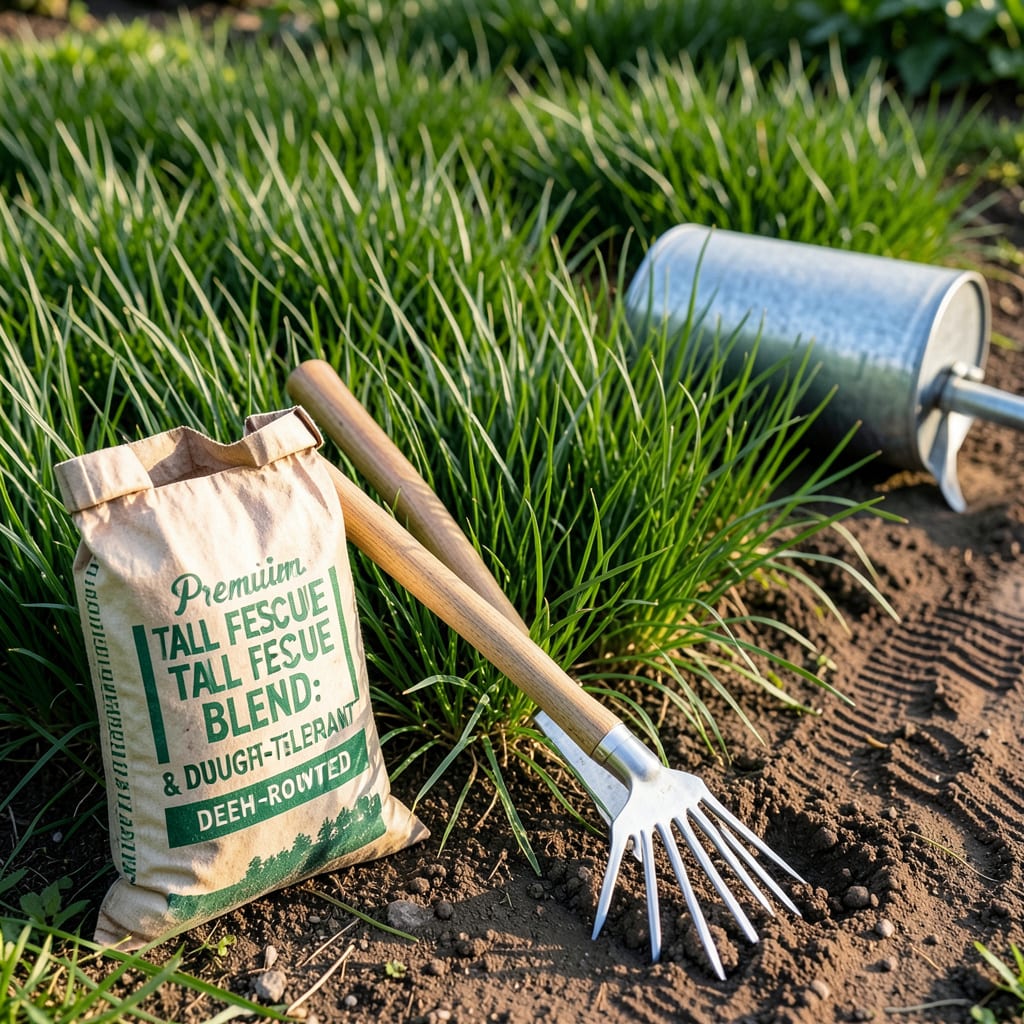
Timing your grass planting in North Carolina can mean the difference between a lush lawn and a frustrating flop. From the Piedmont’s rolling hills to the Coastal Plains’ sandy stretches, one-size-fits-all advice just doesn’t cut it—especially when cool-season and warm-season grasses demand totally different schedules.
I’ve dug into the data (and dirt) to pinpoint the exact windows for Tall Fescue, Bermudagrass, and more—so you don’t waste seed or sod on a lawn that won’t thrive. Let’s break down what works where, and why your ZIP code matters more than you think.
If you’ve ever wondered why your neighbor’s lawn looks like a golf course while yours resembles a patchy quilt, timing is likely the culprit. North Carolina’s diverse climate—from the cool Piedmont foothills to the humid Coastal Plains—means grass planting windows vary dramatically. Get this right, and you’ll avoid wasted seed, money, and frustration.
The secret lies in matching your grass type to your region’s soil temperatures and frost dates. Cool-season grasses like Tall Fescue thrive in the Piedmont’s earlier falls, while warm-season varieties like Bermudagrass love the Coastal Plains’ longer growing season. Let’s break it down by region and grass type.
| Region | Grass Type | Best Planting Window | Soil Temp Range | Key Considerations |
|---|---|---|---|---|
| Piedmont (Zones 6b-7a) |
Cool-Season (Fescue, Rye) |
Sept 1–Oct 15 OR March 15–April 15 |
50–65°F | Earlier frost dates mean plant by mid-October for fall. Spring planting risks summer drought stress. |
| Piedmont (Zones 6b-7a) |
Warm-Season (Bermuda, Zoysia) |
May 1–June 30 | 60°F+ | Wait until soil hits 60°F (use a thermometer!). Avoid planting after July 15—roots need time before fall. |
| Coastal Plains (Zones 7b-8a) |
Cool-Season (Fescue, Rye) |
Oct 1–Nov 15 OR Feb 15–March 30 |
50–65°F | Milder winters allow later fall planting. Spring plantings benefit from cooler coastal temps. |
| Coastal Plains (Zones 7b-8a) |
Warm-Season (Bermuda, Centipede) |
April 15–July 1 | 65°F+ | Longer growing season means earlier spring planting possible. Avoid hurricane season (Aug–Sept) for sod. |
| Mountains (Zone 6a) |
Cool-Season (Fescue, Bluegrass) |
Aug 15–Sept 30 | 50–60°F | Shorter season—plant early. Use cold-hardy varieties like Kentucky Bluegrass. |
Source: NC State University Cooperative Extension. Soil temps measured at 2-inch depth.
Notice how the Piedmont’s cooler climate shifts the ideal window earlier than the Coastal Plains? That’s because frost dates differ by 3–4 weeks across the state. For example, Raleigh (Piedmont) averages its first frost around October 20, while Wilmington (Coastal) often stays frost-free until November 10.
Here’s a pro tip: Soil temperature trumps air temperature. I use a $10 soil thermometer to check depths of 2 inches—cool-season grasses need 50–65°F, while warm-season varieties won’t germinate below 60°F. The NC State Extension office offers free soil testing if you’re unsure about your soil’s readiness.
If you’re in the Mountain region (Zone 6a), your window is tighter due to higher elevation and cooler temps. I recommend planting cool-season grasses by September 30 to ensure roots establish before winter. Warm-season grasses struggle here—stick with Tall Fescue or Kentucky Bluegrass for best results.
For Coastal NC, the game-changer is hurricane season (August–October). If you’re laying sod, avoid late summer—soggy soil and high winds can dislodge it. Seed is safer but requires daily watering to combat sandy soil’s poor moisture retention. I’ve seen coastal lawns thrive with Centipede grass, which tolerates heat and low fertility.
Still unsure? Here’s my foolproof rule: If you’re planting cool-season grass, aim for 6–8 weeks before your first frost. For warm-season, wait until nighttime temps stay above 55°F. And
Even with perfect timing, a few missteps can turn your NC lawn project into a costly disappointment. I’ve seen homeowners waste hundreds of dollars on seed or sod because they overlooked key details. Let’s tackle the top 5 mistakes I spot most often—and how to fix them.
First up: Planting too late in fall. Cool-season grasses like Tall Fescue need 6–8 weeks to establish roots before frost. In the Piedmont, that means seeding by October 15—not November. Coastal folks get a 2-week buffer, but don’t push it. Late plantings often fail to overwinter.
⚠️ WARNING: Root Growth Stops Below 50°F
If soil temps drop before roots reach 2–3 inches deep, your grass won’t survive winter. Use a soil thermometer to monitor temps at 2-inch depth. NC State Extension recommends 50°F minimum for cool-season grasses.
Another biggie: Ignoring soil pH. North Carolina’s acidic clay soil (common in Piedmont) often needs lime to balance pH for grass. Aim for 6.0–6.5 pH—test with a $20 home kit or via NC’s free Extension service. Skipping this step can cut germination rates by 50%.
Overwatering new seed is a silent lawn killer. While seeds need consistent moisture, soggy soil causes rot and fungal diseases. Stick to light daily watering (just 10–15 minutes) until sprouts hit 2 inches. Then, shift to deep, infrequent watering (1 inch/week). Coastal lawns may need extra attention due to sandy soil’s fast drainage.
Choosing the wrong grass for your sun/shade is like setting up a cactus in a swamp. Bermudagrass needs full sun (6+ hours), while Fine Fescue thrives in shady spots. I’ve seen homeowners plant Zoysia under oak trees—only to watch it thin out within months. Match your grass to your yard’s light conditions.
Finally, skipping starter fertilizer is a rookie error. New grass needs phosphorus for root development. Use a starter fertilizer (like 10-10-10) at planting, then switch to a high-nitrogen blend (e.g., 24-0-6) after 4 weeks. Mountain region folks: cut fertilizer rates by 25%—your cooler temps slow growth.
Bonus tip: Don’t mow too soon! Wait until grass reaches 3–4 inches tall, then trim to 2 inches. Early mowing stresses young roots. And always keep blades sharp—dull blades tear grass, inviting disease. Follow these rules, and you’ll sidestep the pitfalls that trip up 90% of DIY lawn planters in NC. 🌱
Deciding between grass seed and sod in North Carolina isn’t just about budget—it’s about your timeline, soil type, and even your region’s weather quirks. I’ve helped homeowners in Raleigh’s clay-heavy Piedmont and Wilmington’s sandy Coastal Plains, and the best choice often surprises them.
If you need a lush lawn fast, sod wins hands-down—it’s instant gratification with roots already established. But if you’re patient (and want to save 50–70% on costs), seed lets you cover large areas for pennies per square foot. Let’s compare the pros and cons so you can pick what fits your yard and wallet.
In the Piedmont, I recommend seed for most homeowners because our clay soil holds moisture well, giving seeds a fighting chance. Just be sure to aerate first—compacted clay suffocates new roots. For Coastal NC, sod is often worth the splurge, especially in low-lying areas where sand drains too fast for seeds to germinate.
Here’s a cost breakdown for a 1,000 sq ft lawn: Seed: $100–$300 (plus $50–$100 for soil prep). Sod: $500–$900 (plus $100–$200 for delivery/install). The savings are clear, but remember: seed requires daily watering for weeks, while sod needs heavy initial watering (1 inch/day) for just 7–10 days.
For shady yards, seed is usually the better bet—you can choose shade-tolerant varieties like Fine Fescue or St. Augustine. Sod options are limited, and transplant shock in low light often leads to patchy results. If you’re overseeding a thin lawn, seed is also the way to go—just match the variety to your existing grass.
My final advice? If you’re in Coastal NC and need a lawn fast (think: selling your home soon), sod’s worth it. Otherwise, seed wins for long-term resilience and cost savings. Just don’t skimp on soil prep—test your pH and amend as needed. A little extra work now means fewer headaches later! 🌱
For shady spots, Fine Fescue or St. Augustine are top picks. Fine Fescue thrives in partial to full shade and handles NC’s cooler Piedmont climates well. St. Augustine loves the Coastal Plains’ warmth but needs consistent moisture.
Check two things: temperature and moisture. Cool-season grasses need soil temps of 50–65°F at 2-inch depth, while warm-season types require 60°F+. Grab a handful—it should crumble easily, not clump or feel bone-dry.
It’s risky! Summer’s heat and drought stress new grass. If you must, opt for warm-season varieties like Bermudagrass in early summer (before July 15). Keep soil moist with daily watering—but fall planting is always safer.
Seed takes 2–3 months in the Piedmont or 1.5–2 months in Coastal areas. Sod roots in 2–3 weeks but needs careful watering. Avoid heavy foot traffic until grass reaches 3 inches tall—patience pays off!
Skipping soil prep—especially in NC’s clay-heavy Piedmont. Always test pH (aim for 6.0–6.5) and aerate compacted soil. Coastal folks often underestimate sandy soil’s drainage, leading to dried-out seeds. A $20 soil test saves hundreds in wasted seed!
