
Beautiful Plants For Your Interior
Beautiful Plants For Your Interior
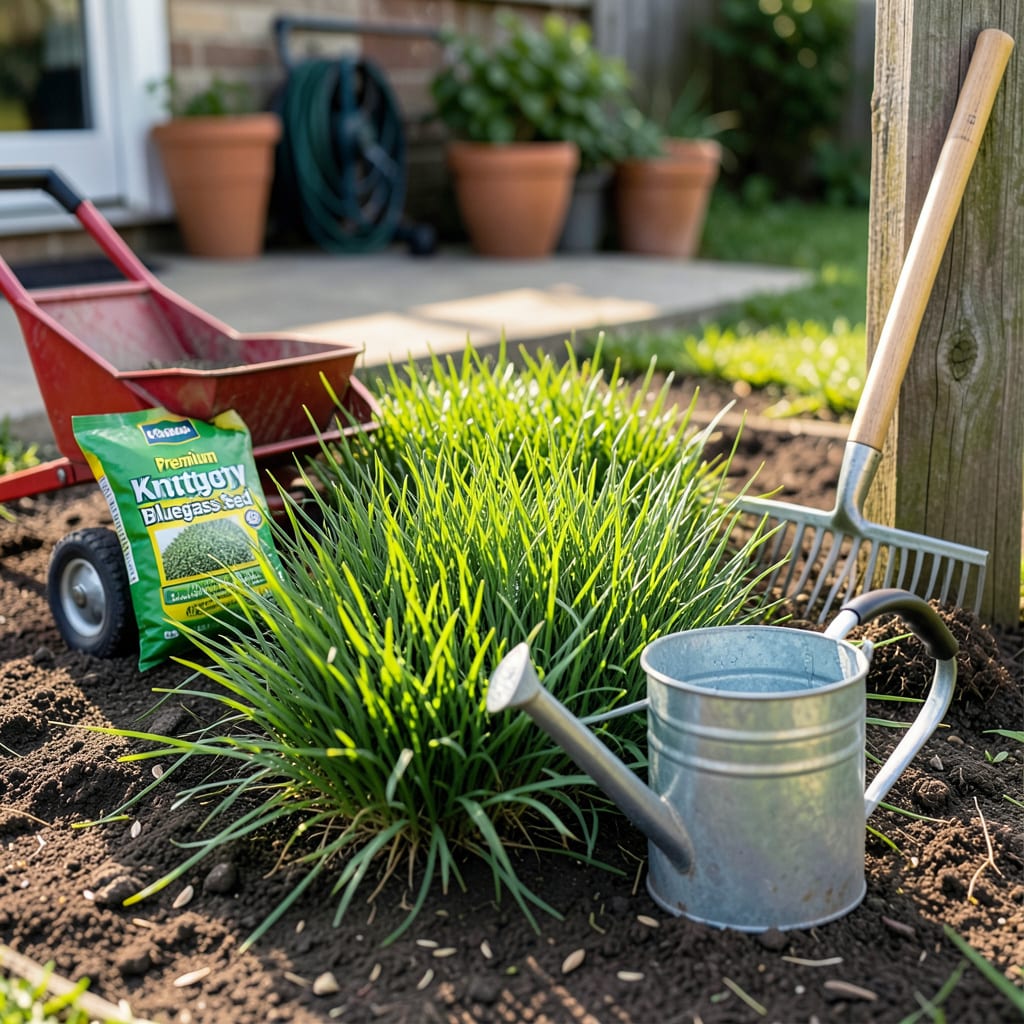
Timing your grass planting in Massachusetts can mean the difference between a patchy yard and a lush, green lawn. Plant too early, and late frosts might sabotage your efforts. Wait too long, and summer heat could stress young seedlings before they even take root.
After researching the best practices for our region’s climate, I’ve narrowed down the perfect planting windows—backed by local agricultural data. Whether you’re in coastal Boston or the Berkshires, I’ll show you exactly when to sow for faster germination and stronger growth all season long.
If you’re wondering when to plant grass in Massachusetts, the answer depends on your USDA hardiness zone. Massachusetts spans zones 5a to 7b, meaning frost dates and soil temperatures vary significantly. Cool-season grasses like Kentucky Bluegrass and Tall Fescue thrive here, but timing is everything.
In Zone 5a (Western MA), frost lingers until mid-May, while Zone 7b (Cape Cod) warms up earlier. I always recommend checking your local frost dates before planting. Soil temps should be 50–65°F for optimal germination, which typically happens in early spring or early fall.
| Zone | Spring Planting | Fall Planting | Last Frost |
|---|---|---|---|
| 5a (Berkshires) | May 1–15 | Aug 15–Sep 15 | May 15 |
| 6a (Central MA) | Apr 15–May 1 | Sep 1–20 | Apr 25 |
| 7b (Cape Cod) | Apr 1–15 | Sep 15–Oct 1 | Apr 10 |
*Based on UMass Amherst Extension data. Adjust for microclimates.
For spring planting, aim for 4–6 weeks before summer heat arrives. In Zone 5a, that means early May, while Zone 7b can start in April. I’ve found Tall Fescue handles Massachusetts’ variable springs better than other varieties.
Fall planting is often ideal because cooler temps and autumn rains reduce stress on new grass. In Western MA, seed by September 1 to avoid early frosts. Coastal areas can push planting to early October if using fast-germinating Perennial Ryegrass.
Soil prep matters just as much as timing. Test your soil pH—Massachusetts soils often need lime to reach 6.0–7.0. I always aerate compacted areas and remove weeds before seeding. A starter fertilizer (10-10-10) gives seeds a boost.
Watering is critical in those first 2–3 weeks. Keep soil moist but not soggy—about 1 inch per week. In dry falls, you may need to supplement rainfall. I use a rain gauge to track moisture levels accurately.
Avoid summer planting in Massachusetts—heat stress and weed competition make establishment difficult. If you miss the spring window, wait for fall. Trust me, your lawn will thank you for the patience.
For shady areas, consider Fine Fescue blends. They tolerate partial sun better than other cool-season grasses. In high-traffic zones, Kentucky Bluegrass recovers well but needs more maintenance.
Remember, local microclimates can shift these dates. Coastal areas stay warmer, while hilly regions may have frost pockets. When in doubt, check with your UMass Extension office for hyper-local advice.
When deciding between spring vs. fall planting in Massachusetts, I always lean toward fall—but there are exceptions. Our cool-season grasses like Kentucky Bluegrass and Tall Fescue establish best when soil temps are 50–65°F, which happens naturally in autumn.
Fall planting gives roots a head start before winter dormancy, with 20–30% better success rates than spring. The cooler air and warm soil combo reduces stress on seedlings. Plus, fewer weeds compete for resources compared to spring.
*Based on UMass Amherst Turf Research and NOAA climate data.
For spring planting, I recommend April 15–May 15 in most zones. The key is waiting until after the last frost but before summer heat arrives. Perennial Ryegrass germinates fastest in spring, often in just 5–7 days.
Fall planting should happen 6–8 weeks before first frost. In Zone 5a, that means seeding by September 1. Coastal areas can push to October 1 if using quick-establishing varieties like Turf-Type Tall Fescue.
Watering needs differ by season. Spring-planted grass may need daily watering if rainfall is scarce. Fall plantings often require less supplemental water thanks to autumn rains. I use a soil moisture meter to avoid overwatering in either season.
One often-overlooked factor is soil temperature. Spring soils warm slowly in Massachusetts, while fall soils retain summer warmth. This gives fall-seeded grass a faster germination rate—often 3–5 days quicker than spring plantings.
If you must plant in spring, consider overseeding with a nurse crop like annual ryegrass. It protects soil while your permanent grass establishes. Just be sure to mow it before it seeds out and becomes a weed itself.
Planting grass in Massachusetts seems straightforward until you make one of these common mistakes that can ruin your lawn before it even starts. I’ve seen too many homeowners waste time and money by overlooking key factors like soil pH or planting timing. Let’s fix that.
The biggest error? Planting too early in spring. Even if April temps feel warm, Massachusetts soil often stays cold—especially in Zone 5a. Seeds need consistent 50°F+ soil temps to germinate. I’ve watched entire lawns fail because seeds rotted in chilly, wet soil.
*Data from UMass Extension and NOAA climate records.
Another costly mistake: skipping the soil test. Massachusetts soils vary dramatically—coastal areas tend sandy, while western MA has more clay. I always test for pH and nutrients before planting. A $20 test kit can save hundreds in wasted seed and fertilizer.
Watering errors sabotage more lawns than you’d think. New grass needs light, frequent watering—think daily misting for the first two weeks, then taper off. Many overwater, creating fungal issues, or underwater, causing seeds to dry out. I use a rain gauge to track moisture precisely.
Choosing the wrong grass type for your conditions is another pitfall. Tall Fescue handles drought well but struggles in deep shade. Kentucky Bluegrass loves sun but needs more maintenance. For shady spots, I recommend Fine Fescue blends—they thrive with just 4 hours of sun.
Finally, don’t ignore local microclimates. A Boston backyard might be Zone 7a, while a hilltown property could be Zone 5b. Elevation changes of just 500 feet can shift your planting window by weeks. When in doubt, check with your county extension office for hyper-local advice.
Cool-season grasses thrive when soil reaches 50–65°F. In Massachusetts, this typically occurs in early spring (April–May) and early fall (September–October). Use a soil thermometer to check—don’t rely on air temperature alone.
Summer planting is risky in Massachusetts due to heat stress and drought conditions. Young grass struggles to establish when temps exceed 85°F. If you must, choose drought-tolerant Tall Fescue and water twice daily.
Keep soil consistently moist for the first 2–3 weeks. Water lightly daily (about ¼ inch) to prevent drying out. After germination, reduce to 1 inch per week. A rain gauge helps track moisture accurately.
For shady areas, Fine Fescue blends thrive with just 4 hours of sun. They’re low-maintenance and drought-tolerant once established. Avoid Kentucky Bluegrass—it needs full sun to flourish.
Use a $20 home test kit or send samples to UMass Soil Lab. Check pH (aim for 6.0–7.0) and nutrient levels. Amend with lime (for acidic soil) or compost before seeding. Results take 1–2 weeks, so plan ahead.
