
Beautiful Plants For Your Interior
Beautiful Plants For Your Interior
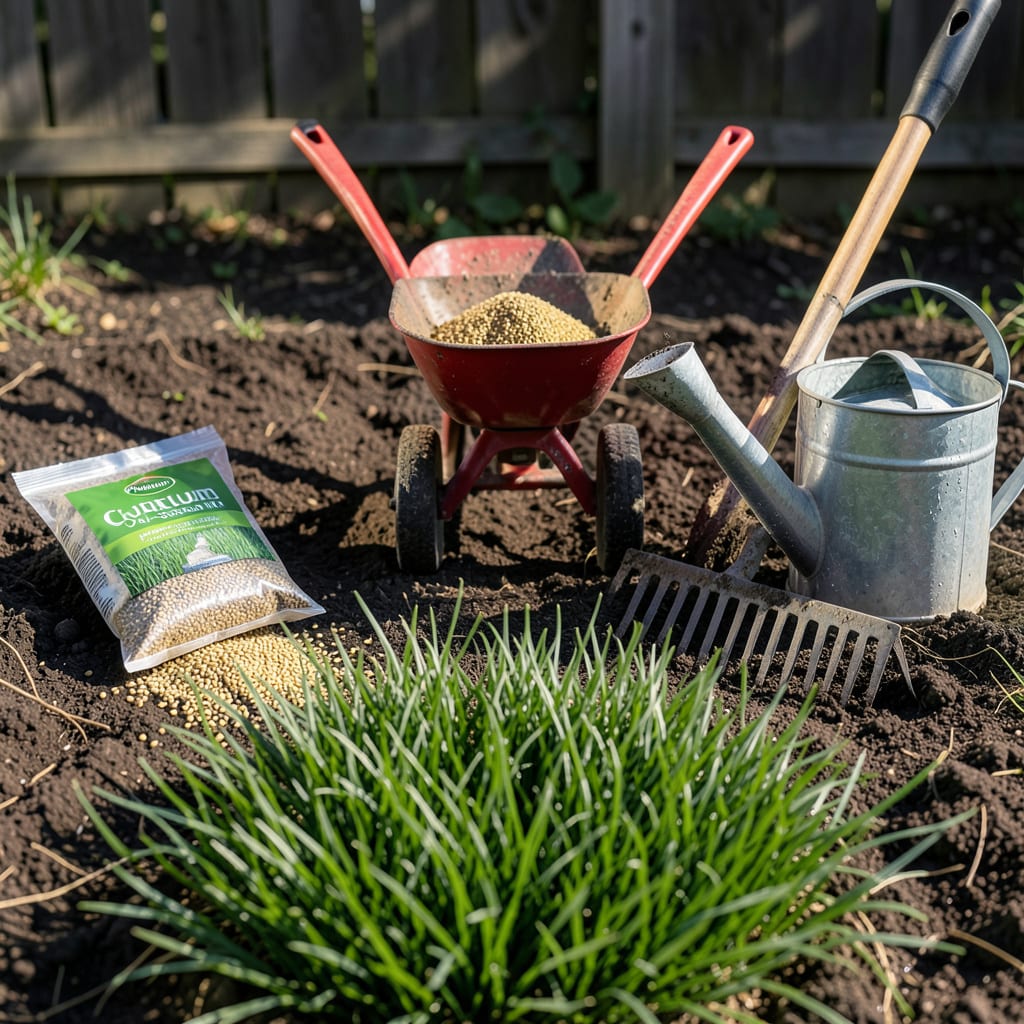
Timing your grass planting in Kansas can mean the difference between a patchy yard and a lush, vibrant lawn. With unpredictable weather and varying hardiness zones, knowing the exact windows for cool-season and warm-season grasses is crucial.
I’ve dug into the data—soil temps, frost dates, and regional quirks—to simplify when and how to plant. Whether you’re in eastern Kansas or the drier west, you’ll get a clear, actionable calendar tailored to your zone. Let’s get your 🌱 grass off to the best start.
Planting grass in Kansas means working with a climate that swings from freezing winters to scorching summers. The key is matching your grass type to the right season—cool-season grasses thrive in spring/fall, while warm-season varieties need summer heat to establish.
Kansas spans USDA zones 5b–7a, so your exact timing depends on where you live. Eastern Kansas tends to have milder winters, while western regions face harsher droughts. Always check your local frost dates before seeding.
| Grass Type | Best Planting Months | Soil Temp | Ideal Zones |
|---|---|---|---|
| Tall Fescue | Sept 1–Oct 15 | 50–65°F | 5b–7a |
| Kentucky Bluegrass | Aug 15–Sept 30 | 55–65°F | 6a–7a |
| Bermudagrass | May 15–June 30 | 70°F+ | 6b–7a |
| Zoysiagrass | June 1–July 15 | 75°F+ | 6a–7a |
| Buffalograss | May 1–June 15 | 60°F+ | 5b–7a |
*Soil temps measured at 2″ depth. Eastern KS can plant 1–2 weeks earlier than western regions.
For cool-season grasses like tall fescue or Kentucky bluegrass, early fall (September to mid-October) is ideal. The soil stays warm while air temps cool, reducing stress on new seedlings. Spring planting is possible but risks summer heat damage.
Warm-season grasses—think Bermuda or Zoysia—need soil temps above 70°F. Aim for late spring (May–June) when frost danger has passed. These varieties establish slowly but handle Kansas’ summer droughts better than cool-season types.
Western Kansas gardeners should lean toward drought-tolerant options like Buffalograss or turf-type tall fescue. These handle low rainfall and high winds better than traditional lawns. Always test soil moisture before planting—dry soil delays germination.
Pro tip: Use a soil thermometer to check temps at 2-inch depth. For cool-season grasses, wait until temps hit 50°F consistently. Warm-season grasses need 70°F+. Planting too early or late leads to poor establishment and weed competition.
If you’re overseeding an existing lawn, early fall works best for cool-season grasses. For warm-season lawns, late spring overseeding helps fill thin spots before summer stress. Always mow low and remove debris for good seed-to-soil contact.
Remember: Kansas’ last frost ranges from April 1–20 (east to west), while first frost hits October 10–30. Adjust planting dates if forecasts predict extreme temps. When in doubt, fall planting gives grass the best chance to root deeply before winter.
After planting, keep soil consistently moist (not soggy) for 2–3 weeks. Use a light mulch like straw to retain moisture and protect seeds from birds. Avoid heavy foot traffic until grass reaches 3–4 inches tall, then mow high to encourage deep roots.
Even with perfect timing, small errors can ruin your Kansas lawn before it starts. I’ve seen too many gardeners struggle with patchy grass or weak roots because of avoidable mistakes. Let’s tackle the top five pitfalls—and how to fix them.
First up: skipping soil prep. Kansas soil often has high clay content or poor drainage, which suffocates new grass. Always test your soil pH (aim for 6.0–7.0) and loosen compacted areas before seeding. A simple core aerator can make a world of difference.
Another big mistake? Overlooking weed control. Kansas lawns face crabgrass and foxtail invasions. Apply a pre-emergent herbicide in early spring—but never if you’re planting new seed. For existing lawns, spot-treat weeds before they seed.
Poor seed-to-soil contact is a silent killer. After seeding, lightly rake or roll the area to press seeds into the soil. A lawn roller (half-filled with water) ensures good contact without compacting. For slopes, use a erosion-control blanket to hold seeds in place during storms.
Don’t forget about soil temperature! Planting when soil is too cold (below 50°F) or too hot (above 85°F) stresses seedlings. Use a soil thermometer to check at 2-inch depth. In western Kansas, drought-tolerant varieties like Buffalograss handle heat better than traditional lawns.
Finally, neglecting post-planting care dooms many lawns. After germination, gradually reduce watering to deep, infrequent sessions (1 inch per week). Avoid heavy foot traffic for 6–8 weeks. If brown patches appear, check for grubs or fungal issues—common in Kansas’ humid summers.
By dodging these mistakes, you’ll give your grass the best shot at thriving in Kansas’ tough climate. Remember: fall planting forgives more errors than spring, thanks to cooler temps and fewer weeds. When in doubt, test a small area first and adjust your approach.
Choosing between cool-season and warm-season grass in Kansas isn’t just about preference—it’s about survival. Our state’s wild temperature swings demand a grass type that can handle freezing winters and scorching summers. Let me break down which varieties excel where.
Cool-season grasses like tall fescue and Kentucky bluegrass dominate in Kansas because they stay green longer in spring/fall and tolerate our cold snaps. But they struggle in July–August heat without extra water. Warm-season options—think Bermuda or Zoysia—thrive in summer but turn brown by October.
For eastern Kansas (zones 6a–7a), I recommend turf-type tall fescue—it’s drought-tolerant and stays green year-round with minimal care. In western Kansas (zone 5b–6b), Buffalograss wins for its low-water needs and heat resistance, though it turns tan in winter.
Hybrid approaches work well in transitional areas. Try overseeding Bermuda with ryegrass in fall for winter color, or mix tall fescue with Kentucky bluegrass for a balance of durability and softness. Just remember: cool-season grasses need 1–1.5 inches of water weekly, while warm-season types thrive on deep, infrequent watering.
Still unsure? Ask yourself: Do I want year-round green (cool-season) or summer resilience (warm-season)? Are you okay with brown winter lawns to save water? Kansas’ USDA zones 5b–7a support both, but your local microclimate and maintenance budget should guide your choice. When in doubt, test a small patch first!
Pro tip: Visit your local K-State Extension office for free soil tests. They’ll help you pick the perfect grass based on your soil type, sun exposure, and traffic levels. And always match your grass to your lifestyle—busy families might prefer low-maintenance fine fescue, while golf lovers may opt for Bentgrass (with extra care).
Cool-season varieties like tall fescue and Kentucky bluegrass thrive when soil temps hit 50–65°F at 2-inch depth. In Kansas, this typically occurs in early fall (September–October) or early spring (March–April).
Yes, but timing is critical. Warm-season grasses like Bermuda or Zoysia need soil temps above 70°F, which usually happens in late May–June. Eastern Kansas’ milder winters may require overseeding with ryegrass for winter color.
Test soil moisture by squeezing a handful—it should crumble slightly but hold shape. Avoid planting if soil is soggy or bone-dry. For clay-heavy Kansas soil, loosen the top 2–3 inches and amend with compost for better drainage.
Skipping soil prep! Many overlook pH testing (aim for 6.0–7.0) or fail to remove weeds/debris. Always aerate compacted areas and use a starter fertilizer high in phosphorus to boost root growth.
Wait until grass reaches 3–4 inches tall—usually 4–6 weeks after germination. Set your mower to 3 inches to encourage deep roots and shade out weeds. Avoid heavy foot traffic until fully established.
