
Beautiful Plants For Your Interior
Beautiful Plants For Your Interior
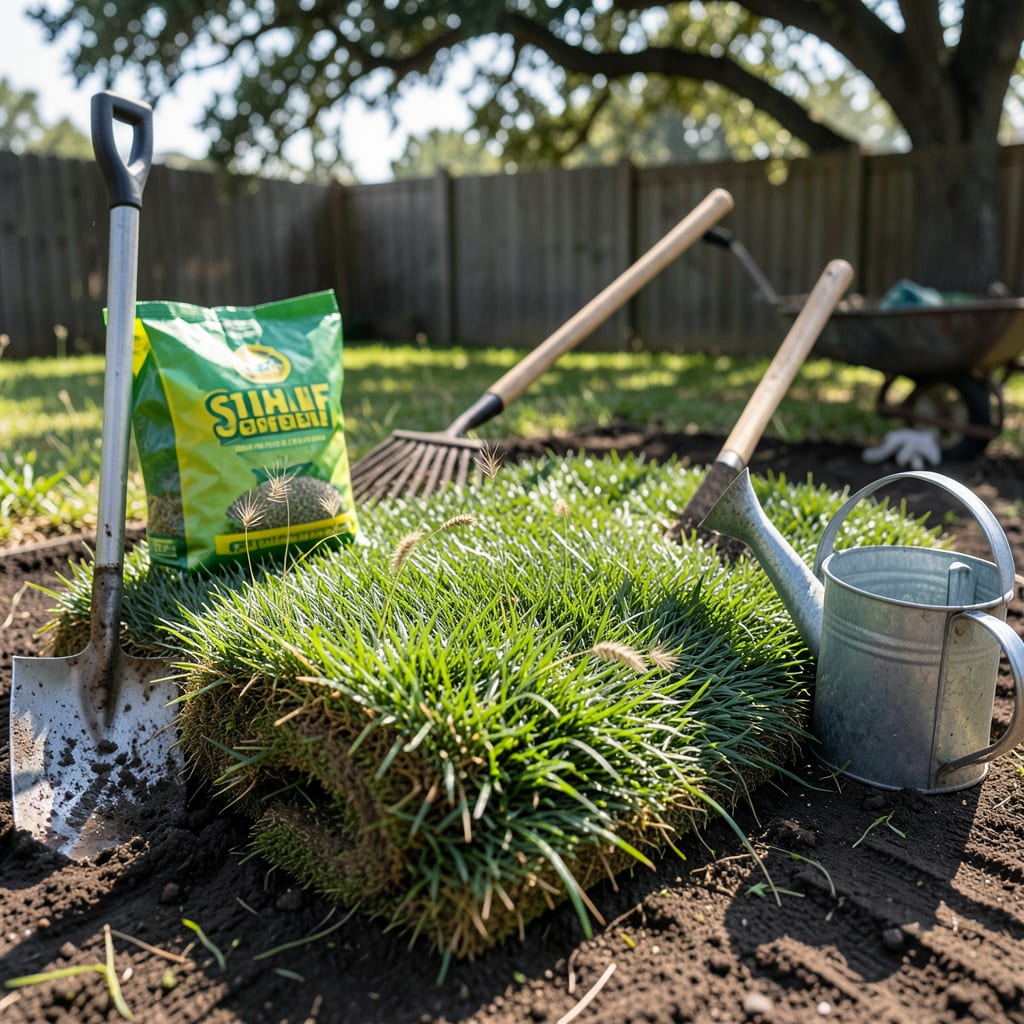
Your Houston lawn could be the envy of the neighborhood—or a patchy disappointment. The difference often comes down to one critical factor: timing. Plant ✂️ Grass at the wrong moment in our Zone 9a climate, and you’re fighting an uphill battle against heat, humidity, or unexpected cold snaps.
I’ve seen too many homeowners waste money and effort by following generic advice that doesn’t account for Houston’s unique seasons. The good news? There are two ideal windows each year to get it right—and I’ll show you exactly when to act for a lawn that thrives, not just survives.
Houston’s Zone 9a climate means we deal with scorching summers and mild winters—perfect for warm-season grasses but tricky for timing. Plant too late in spring, and your new lawn might fry. Plant too early in fall, and frost could ruin it. Let’s break down the ideal months for each grass type.
I’ve found that September through October is the golden window for most Houston lawns. The soil stays warm, rainfall is more reliable, and weeds are less aggressive. But not all grasses follow the same rules—some thrive in spring planting, while others need fall’s cooler temps.
Note: Soil temps are critical—use a soil thermometer to confirm before planting. Houston’s last frost (Feb 15) and first frost (Dec 10) guide cool-season timing.
For Bermuda grass, I recommend early fall planting—it establishes roots before winter dormancy. If you’re overseeding with ryegrass for winter color, aim for late October to avoid early freezes. Spring plantings work but require more watering to combat Houston’s dry spells.
St. Augustine lovers, listen up: This grass hates cold soil. Wait until April when nighttime temps stay above 60°F. I’ve seen too many Houston lawns struggle because they planted too early. Zoysia is more forgiving but still needs warm soil—May is ideal.
Here’s a pro tip: Check the 10-day forecast before planting. If temps will spike above 95°F, delay sowing. Young grass seeds can’t handle heat stress. Also, avoid planting during Houston’s rainy season (June–August) unless you’re prepared for fungal risks.
If you’re sodding instead of seeding, you’ve got more flexibility. Sod can go down year-round in Houston, but fall is still best. The cooler temps reduce transplant shock, and you’ll use less water getting it established. Just avoid freeze warnings—sod needs time to root before cold snaps.
For shady yards, St. Augustine or Zoysia ‘Emerald’ are your best bets. Plant them in early fall when tree canopies start thinning. If your lawn gets full sun, Bermuda or Buffalo grass will thrive with less water once established.
Remember, soil prep matters more than timing. Houston’s clay-heavy soil needs amending—mix in 3 inches of compost before planting. Test your soil’s pH too; most grasses prefer 6.0–7.0. I use sulfur to lower pH or lime to raise it, based on my test results.
Finally, watering is key in Houston’s humidity. New grass needs daily light watering (just enough to keep soil moist) for the first 2 weeks. After that, deep water 2–3 times weekly to encourage root growth. Avoid evening watering—it invites fungal diseases in our humid climate.
✂️Even with perfect timing, Houston gardeners often sabotage their new lawns with avoidable mistakes. I’ve seen it all—from drowned seedlings to sun-scorched sod. The good news? Most issues stem from just a few common errors, and fixing them is simpler than you think.
One of the biggest blunders is ignoring soil prep. Houston’s clay-heavy soil compacts easily, suffocating grass roots. Skipping a soil test or failing to amend with compost/sand leads to poor drainage and weak growth. Trust me, I learned this the hard way after my first lawn turned into a muddy mess.
⚠️ AVOID THESE HOUSTON LAWN KILLERS
Another critical mistake is misjudging water needs. New grass needs consistent moisture, but Houston’s humidity makes it easy to overdo it. I see folks watering 3 times daily—which drowns roots and invites fungal diseases. Stick to light morning watering (just enough to keep soil damp) for the first 2 weeks.
Wrong grass selection ruins more Houston lawns than drought. Planting cool-season grasses like fescue in summer? They’ll burn out by July. Choosing Bermuda for shady yards? It’ll thin out fast. Always match your grass to your sunlight conditions and traffic levels.
Here’s a mistake I made early on: planting grass seed too deep. Grass seeds need light to germinate—bury them more than ¼ inch, and they’ll fail. Use a seed spreader for even coverage, then lightly rake. For sod, press edges firmly to prevent air pockets that dry out roots.
Many Houston gardeners also forget about weeds until it’s too late. Apply a pre-emergent herbicide (like prodiamine) 4–6 weeks before planting to block weed seeds. If you’ve already got weeds, use a post-emergent (glyphosate) 2 weeks before planting—but never mix herbicides with new grass.
Finally, impatience kills lawns. I’ve seen people walk on new sod after 2 days or mow seedling grass at 1 inch tall. Give roots time to establish! Wait 2–3 weeks before light foot traffic and 4–6 weeks before mowing. Your patience will pay off with a thicker, healthier lawn.
🌱Getting grass seed to sprout quickly in Houston’s clay-heavy soil and humid climate requires more than just tossing seeds on the ground. I’ve refined this process over years of trial and error—here’s my foolproof method for fast, even germination that works in Zone 9a.
Start with a soil test—Houston’s native soil is often alkaline (pH 7.5+) and compacted. I use a $15 test kit from my local extension office. If your pH is above 7.0, work in sulfur to lower it. For poor drainage, mix in 3–4 inches of compost and sand to loosen the clay.
Timing your watering is just as important as the amount. I set my sprinkler timer for 6 AM to avoid evaporation and fungal growth. If you’re planting in fall, watch for unseasonal heatwaves—temporarily increase watering if temps exceed 90°F for 3+ days.
For sod installation, the process is similar but faster. Lay sod on damp soil, staggering seams like bricks. Press edges firmly with a lawn roller to eliminate air pockets. Water immediately after laying—20–30 minutes per zone—to soak the roots. Keep foot traffic off for 2 weeks.
Avoid the temptation to fertilize too soon. Wait until after the first mowing (when grass hits 3–4 inches) to apply a high-nitrogen fertilizer. I use a 30-0-4 ratio for that first feeding. If you planted in spring, watch for weed competition—apply a post-emergent herbicide (like 2,4-D) 6 weeks after germination.
Houston’s humidity means fungal diseases are a real risk. If you notice brown patches or gray fuzz, reduce watering and apply a fungicide (like azoxystrobin). For long-term health, mow high (3–4 inches) to shade out weeds and retain moisture. And don’t forget: sharpen your mower blades—dull blades tear grass, inviting disease.
✂️Fall (September-October) is ideal for most warm-season grasses. The soil stays warm while air temps cool, reducing heat stress on new growth. Spring works but requires more watering to combat Houston’s dry spells.
Avoid summer planting if possible. Soil temps above 90°F can fry seeds, and drought conditions make establishment difficult. If you must, choose drought-tolerant Bermuda and water 3x daily in short bursts.
Most grasses germinate in 7–21 days with proper care. Full establishment takes 6–8 weeks—wait until then for heavy foot traffic. St. Augustine may take longer in cooler temps, while Bermuda spreads quickly in heat.
St. Augustine (especially ‘Floratam’) or Zoysia ‘Emerald’ thrive in partial shade. Avoid Bermuda—it needs 6+ hours of sun. For dense shade, consider ground covers like mondo grass instead.
Water 2–3 times daily (5–10 minutes each) for the first 2 weeks, keeping soil moist but not soggy. After germination, shift to deep watering 2x/week. Always water before 10 AM to prevent fungal growth.
