
Beautiful Plants For Your Interior
Beautiful Plants For Your Interior
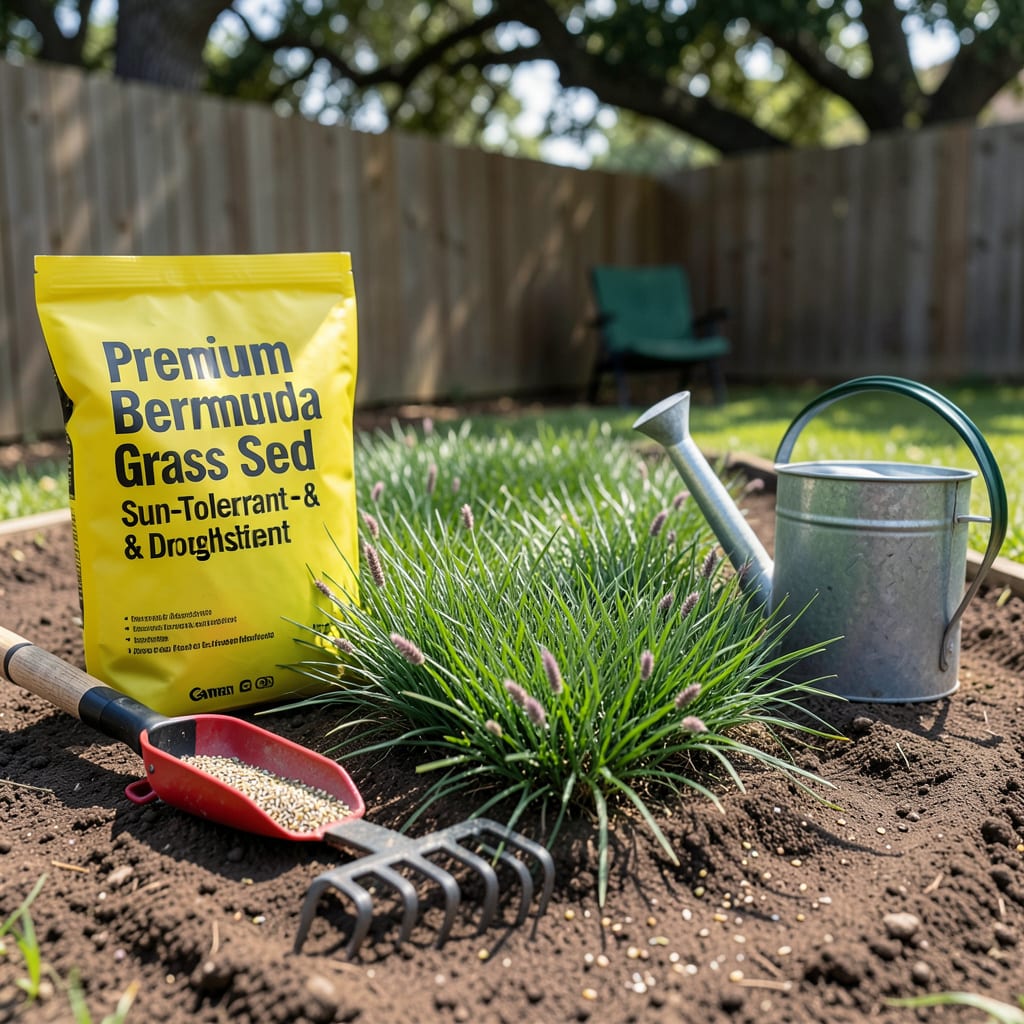
Timing isn’t just important when planting 🌱 grass in Georgia—it’s everything. Plant too early, and frost might ruin your efforts. Wait too long, and summer heat could burn your new lawn before it even takes root.
Whether you’re in the Piedmont’s rolling hills or along the humid coast, the rules change. I’ll break down the exact windows for warm-season favorites like Bermuda and Zoysia versus cool-season picks like Fescue. You’ll also learn why soil temperature—not just the calendar—holds the key to success.
Georgia’s diverse climate means one-size-fits-all planting advice won’t cut it. The Piedmont region (think Atlanta and Athens) has cooler winters and hot summers, while Coastal Georgia (Savannah, Brunswick) stays warmer year-round. This split creates two very different grass-planting calendars.
For warm-season grasses like Bermudagrass or Zoysiagrass, timing hinges on soil temperature—not just air temps. You’ll want soil consistently above 65°F for at least a week. Coastal areas hit this mark earlier than the Piedmont, often by 2-3 weeks.
| Region | Warm-Season Grasses | Cool-Season Grasses | Soil Temp Threshold | Frost-Free Window |
|---|---|---|---|---|
| Piedmont (Atlanta, Athens) |
April–June (Bermuda, Zoysia) |
Sept–Oct (Tall Fescue, Rye) |
65°F+ by mid-April | 180–200 days (Last frost: April 10) |
| Coastal (Savannah, Brunswick) |
March–May (Centipede, St. Augustine) |
Oct–Nov (Limited success) |
65°F+ by late March | 220–240 days (Last frost: March 15) |
| Mountains (Blue Ridge, Dahlonega) |
May–June (Shorter window) |
Aug–Sept (Best for Fescue) |
65°F+ by early May | 160–180 days (Last frost: April 20) |
*Data based on UGA Extension guidelines and 30-year climate averages. Soil temps measured at 2″ depth.
If you’re in the Piedmont, I recommend aiming for mid-April to early June for warm-season grasses. The soil warms slower here due to elevation changes. Coastal gardeners can start as early as late March, but watch for late cold snaps—Centipedegrass is particularly sensitive.
For cool-season grasses like Tall Fescue, fall is your golden window. Piedmont lawns should plant by October 1st to establish roots before winter. Coastal areas can push this to early November, but don’t delay—roots need 6 weeks of growth before the first frost.
Here’s a pro tip: Use a soil thermometer (available at any garden center) to check temps at 2-inch depth. If you’re seeing consistent 60°F+ readings in the morning, you’re in the safe zone for warm-season grasses. For cool-season varieties, aim for 50–65°F soil temps.
The biggest mistake I see? Planting too early in spring when nights are still dipping below 50°F. This stunts root development, leaving your lawn vulnerable to summer drought. Coastal gardeners also need to watch for hurricane season (June–November)—new grass can’t handle flooding or salt spray.
If you’re overseeding an existing lawn with winter rye, time it 4–6 weeks before your area’s first frost. In Atlanta, that’s around September 15; in Savannah, you can wait until October 1. Always mow your existing grass short (1–1.5″) before overseeding for best seed-to-soil contact.
Remember: Watering is critical in the first 3 weeks after planting. Keep soil moist but not soggy—about 1/4 inch daily if rain isn’t cooperating. I use a rain gauge to track this, especially in Coastal Georgia where afternoon showers can be deceiving.
For those in urban heat islands (downtown Atlanta, Macon), you might need to adjust timing. Concrete and asphalt can raise local temps by 5–10°F, allowing earlier planting but also increasing drought stress. In these cases, I recommend adding organic mulch to retain moisture and protect young roots.
Still unsure? Your local UGA Extension office offers free soil testing and region-specific advice. They’ll even analyze your soil’s pH—critical since Georgia’s clay-heavy soils often need lime amendments before planting. Most counties have offices with lawn establishment guides tailored to your exact microclimate.
Choosing the right grass for your Georgia lawn isn’t just about looks—it’s about matching the variety to your region’s climate. Warm-season grasses like Bermudagrass and Zoysiagrass thrive in Georgia’s heat, while cool-season options like Tall Fescue handle Piedmont winters better.
In Coastal Georgia, humidity and salt tolerance matter. That’s why Centipedegrass and St. Augustinegrass dominate here—they handle sandy soils and salt spray. Meanwhile, Piedmont lawns benefit from drought-tolerant Bermudagrass or shade-friendly Fine Fescue blends.
| Grass Type | Best Region | Planting Window | Sun Needs | Maintenance Level |
|---|---|---|---|---|
| Bermudagrass | Piedmont, Coastal | April–June | Full sun (6+ hours) | High (frequent mowing) |
| Zoysiagrass | Piedmont, Mountains | May–July | Full sun to partial shade | Medium (slow grower) |
| Centipedegrass | Coastal, South GA | March–May | Full sun (tolerates partial shade) | Low (minimal fertilizer) |
| Tall Fescue | Piedmont, Mountains | Sept–Oct | Partial shade (4+ hours sun) | Medium (drought-tolerant) |
| St. Augustinegrass | Coastal, South GA | April–June | Partial shade (tolerates salt) | High (needs frequent water) |
*Based on UGA Extension recommendations for Georgia’s USDA Zones 7–9. Maintenance levels reflect mowing, watering, and fertilizer needs.
Bermudagrass is my top pick for active families—it recovers quickly from foot traffic and handles Georgia’s heat. But be warned: it goes dormant (brown) in winter. For year-round green, mix it with overseeded winter rye in fall.
If you’ve got shady areas, Tall Fescue or Fine Fescue blends are your best bet. They stay green longer in Piedmont winters and need less water than Bermudagrass. Just avoid planting them in Coastal Georgia—they struggle with humidity and heat.
For low-maintenance lawns, Centipedegrass wins in Coastal areas. It needs half the fertilizer of other grasses and naturally resists pests. The trade-off? It turns brown at the first frost and grows slowly, so patience is key.
St. Augustinegrass is perfect for salt-prone coastal yards, but it’s thirsty. Plan for daily watering in summer unless you’ve got irrigation. I recommend the ‘Floratam’ variety—it’s disease-resistant and handles Georgia’s humidity well.
No matter which grass you choose, soil prep is critical. Georgia’s clay soil often needs 3–4 inches of compost worked in before planting. A soil test (free through UGA Extension) will tell you if you need lime to balance pH—most Georgia lawns do! 🌱
Even with perfect timing, small errors can sabotage your Georgia lawn. I’ve seen too many homeowners waste money on seed or sod by making avoidable mistakes. The good news? Most issues stem from just five key missteps—and they’re easy to fix once you know what to watch for.
First up: ignoring soil prep. Georgia’s heavy clay soil is notorious for poor drainage and compaction. Skipping tilling or amending with compost means your grass roots will struggle to penetrate the surface. I always recommend working in 2–3 inches of organic matter before planting.
Georgia’s soil pH often runs too acidic for optimal grass growth. A $15 UGA Extension test reveals your exact pH and nutrient needs—most lawns require lime to raise pH before planting.
Grass seed needs 1/4-inch coverage—no more, no less. Too deep, and it won’t germinate. Too shallow, and it dries out. For sod, ensure root-to-soil contact by rolling after installation.
New grass needs consistent moisture—about 1/4 inch daily for the first 3 weeks. Too much water causes rot; too little dries out roots. Use a rain gauge to track nature’s contribution.
Bermudagrass thrives in full sun but dies in shade. Tall Fescue handles Piedmont winters but wilts in Coastal humidity. Always match the grass to your region and light conditions.
New grass needs phosphorus-rich fertilizer (look for a 10-10-10 or 5-10-5 ratio) to establish roots. Apply at planting, then again 4–6 weeks later for best results.
Another critical error? Planting during drought or heatwaves. Even drought-tolerant grasses like Bermudagrass need consistent moisture to establish. I’ve lost count of how many Coastal Georgia lawns I’ve seen fail because homeowners planted in July’s 95°F heat without irrigation plans.
Timing your first mow incorrectly can also set back your lawn. Wait until grass reaches 3–4 inches tall, then mow to 2 inches. Never remove more than 1/3 of the blade at once. This rule is especially crucial for slow starters like Zoysiagrass.
Finally, don’t forget about weed prevention. Many Georgia gardeners make the mistake of applying pre-emergent herbicide too early, which can prevent grass seed from germinating. If you’re seeding, skip pre-emergent for at least 60 days or until your lawn is fully established.
Remember: The first 6 weeks are make-or-break for your lawn. Avoid walking on new grass until it’s 3 inches tall, and keep pets off for at least 4 weeks. With proper care, you’ll be rewarded with a lush, resilient lawn that thrives in Georgia’s climate. 🌱
For warm-season grasses like Bermuda or Zoysia, wait until soil reaches 65°F at 2-inch depth for a week. Cool-season types prefer 50–65°F. Use a soil thermometer for accuracy—it’s more reliable than air temperature alone.
It’s risky in Georgia’s heat. New grass needs consistent moisture, and summer droughts often stress young roots. If you must, choose drought-tolerant varieties like Bermudagrass and water daily for the first month. Early fall is safer for most regions.
Aim for 6–8 weeks before your first frost date. In Piedmont areas (Atlanta), that means planting by early October. Coastal gardeners can push to early November, but don’t delay—roots need time to establish before winter.
Skipping soil prep! Georgia’s clay-heavy soil needs 2–3 inches of compost worked in before planting. Many also forget soil tests—most lawns here need lime to balance pH. Without these steps, even the best grass seed struggles.
