
Beautiful Plants For Your Interior
Beautiful Plants For Your Interior
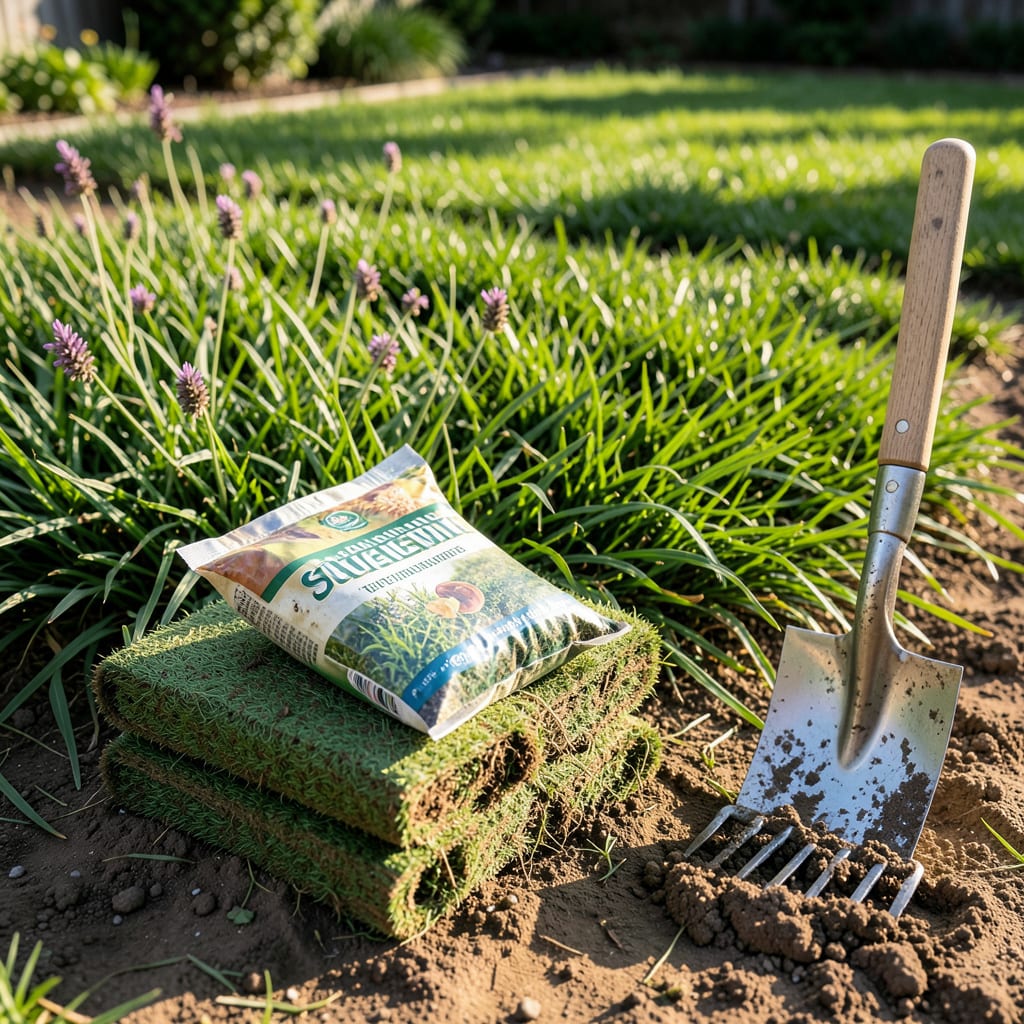
Timing isn’t just important when planting grass in Florida—it’s everything. Plant too early, and frost might wipe out your efforts. Wait too long, and the summer heat will fry your seedlings before they even take root.
But here’s the good news: Florida’s unique climate gives you two distinct windows to get it right—if you know where to look. Whether you’re in the Panhandle or the Keys, I’ll break down the exact months to plant for a lawn that stays lush year-round. Let’s cut through the confusion.
Florida’s unique climate means one-size-fits-all planting advice just won’t cut it. The state spans USDA zones 8a to 11a, with North Florida facing occasional frosts and South Florida battling year-round humidity. Timing your grass planting around these differences is the secret to a lush lawn.
In North Florida (zones 8a–9a), you’ll want to plant warm-season grasses like Bahiagrass or Centipede in late spring—after the last frost but before summer’s peak heat. Down south (zones 10a–11a), the planting window stretches longer, but you’ve got to watch for hurricane season’s heavy rains.
Source: UF/IFAS Extension. Frost dates based on 30-year averages. 🌱
If you’re in North Florida, I’d recommend planting Bahiagrass in mid-April to early May. It handles the cooler springs better than St. Augustine and establishes quickly before summer. For Central Florida, St. Augustine is king—just avoid planting in July or August when afternoon thunderstorms can wash away seed.
Down in South Florida, you’ve got more flexibility, but May through September is ideal. The warm soil and frequent rains help germination, but you’ll need to water lightly twice daily to prevent the topsoil from drying out. Avoid planting during hurricane season (June–November) if heavy rains are forecasted.
For cool-season grasses like ryegrass, North Florida gardeners can overseed in October for winter green. But in South Florida, cool-season grasses often struggle with humidity and aren’t recommended. Stick to warm-season varieties year-round.
Soil temperature is your best planting cue. Aim for consistent soil temps above 65°F—that’s when grass seeds germinate fastest. In North Florida, this typically happens in late April. Further south, soils warm up by early March, but I’d still wait until April to avoid late cold snaps.
Pro tip: Check the 10-day forecast before planting. If nighttime temps will dip below 50°F, hold off. Young grass seedlings are sensitive to chilly nights, especially St. Augustine and Zoysia. And always water immediately after planting to settle the soil around seeds or sod.
Remember, Florida’s rainy season (June–September) can be a double-edged sword. While it reduces your watering workload, heavy downpours can erode soil or displace newly laid sod. If you’re planting in summer, consider using erosion-control blankets or staking sod to keep it in place.
Finally, don’t forget about daylength. Grass needs at least 6–8 hours of sunlight daily to thrive. In South Florida, where days are shorter in winter, planting in spring or early summer gives your lawn the maximum sunlight to establish before the shorter days of fall. 🌿
Choosing the right grass for your Florida lawn isn’t just about looks—it’s about survival. With our humid subtropical climate, some grasses thrive while others wilt under the pressure. I’ve tested these varieties in my own yard, and here’s what actually works where you live.
In North Florida, Bahiagrass and Centipede are the toughest options. They handle cooler winters better than St. Augustine and recover quickly from drought. For Central and South Florida, St. Augustine (especially ‘Floratam’) dominates because it loves heat and humidity—just don’t plant it in deep shade.
Source: UF/IFAS Turfgrass Science Program. Drought tolerance rated 1–5 stars. 🌱
Bahiagrass is my top pick for low-maintenance lawns in North Florida. It’s drought-resistant, chokes out weeds, and thrives in poor soils. The downside? It grows in clumps and needs frequent mowing in summer. For a softer lawn, Centipede is a great alternative—just test your soil first (it hates alkaline conditions).
If you’re in Central or South Florida, St. Augustine ‘Floratam’ is the gold standard. It handles heat, humidity, and salt spray like a champ. But be warned: it’s thirsty and prone to chinch bugs. I recommend planting sod instead of seed—it establishes faster and resists weeds better. For high-traffic areas, Zoysia is your best bet, though it turns brown in winter.
Bermuda grass is the most heat-tolerant option, but it’s invasive and requires weekly mowing in summer. I only recommend it for South
Even with perfect timing, small errors can sabotage your Florida lawn. I’ve seen healthy grass turn patchy overnight because of avoidable mistakes. Let’s tackle the top 5 pitfalls I see most often—and how to fix them before they ruin your turf.
First up: overwatering new grass. It’s tempting to drown seedlings in Florida’s heat, but soggy soil invites fungus. Stick to light, frequent watering—just enough to keep the top inch moist. Morning watering is key to prevent evaporation loss and fungal growth.
Source: UF/IFAS Lawn Care Guidelines. Adjust for local microclimates. 🌱
Another critical mistake: using cheap, old seed. Florida’s humidity kills seed viability fast. Always check the pack date—buy seed packed for the current year. For sod, inspect for yellow patches or thin spots before purchase. I once lost a whole lawn to expired Bahiagrass seed—lesson learned!
Don’t overlook weed competition either. Florida’s crabgrass and dollarweed will outcompete new grass. Apply a pre-emergent herbicide (like prodiamine) 4–6 weeks before planting, or hand-pull weeds before seeding. For sod, lay it on freshly tilled, weed-free soil to prevent invasions.
Finally, neglecting post-planting care is a silent lawn killer. After planting, keep foot traffic off for 3 weeks. Water daily for the first 2 weeks, then taper to every other day. Watch for brown patches—they often signal underwatering or chinch bugs, not disease. 🌿
Grass seeds germinate best when soil temps hit consistent 65°F or higher. In North Florida, this typically happens in late April, while South Florida soils warm up by early March. Use a soil thermometer for accuracy.
It’s risky in South Florida (June–November). Heavy rains can erode soil or displace sod. If you must plant, use erosion-control blankets and stake sod securely. May or September are safer bets.
Water daily for the first 2 weeks, keeping the top inch moist but not soggy. After that, taper to every other day. Always water in the early morning to reduce evaporation and fungal risks.
Sod establishes faster and resists weeds better, making it ideal for St. Augustine lawns. Seed is cheaper but requires more care—best for Bahiagrass or Centipede. In hurricane-prone areas, sod’s instant coverage prevents erosion.
Skipping the soil test. Florida’s sandy or clay-heavy soils often need amendments. Test for pH (5.5–6.5 ideal) and adjust with compost or sulfur before planting. Ignoring this leads to poor germination and weak roots.
