
Beautiful Plants For Your Interior
Beautiful Plants For Your Interior
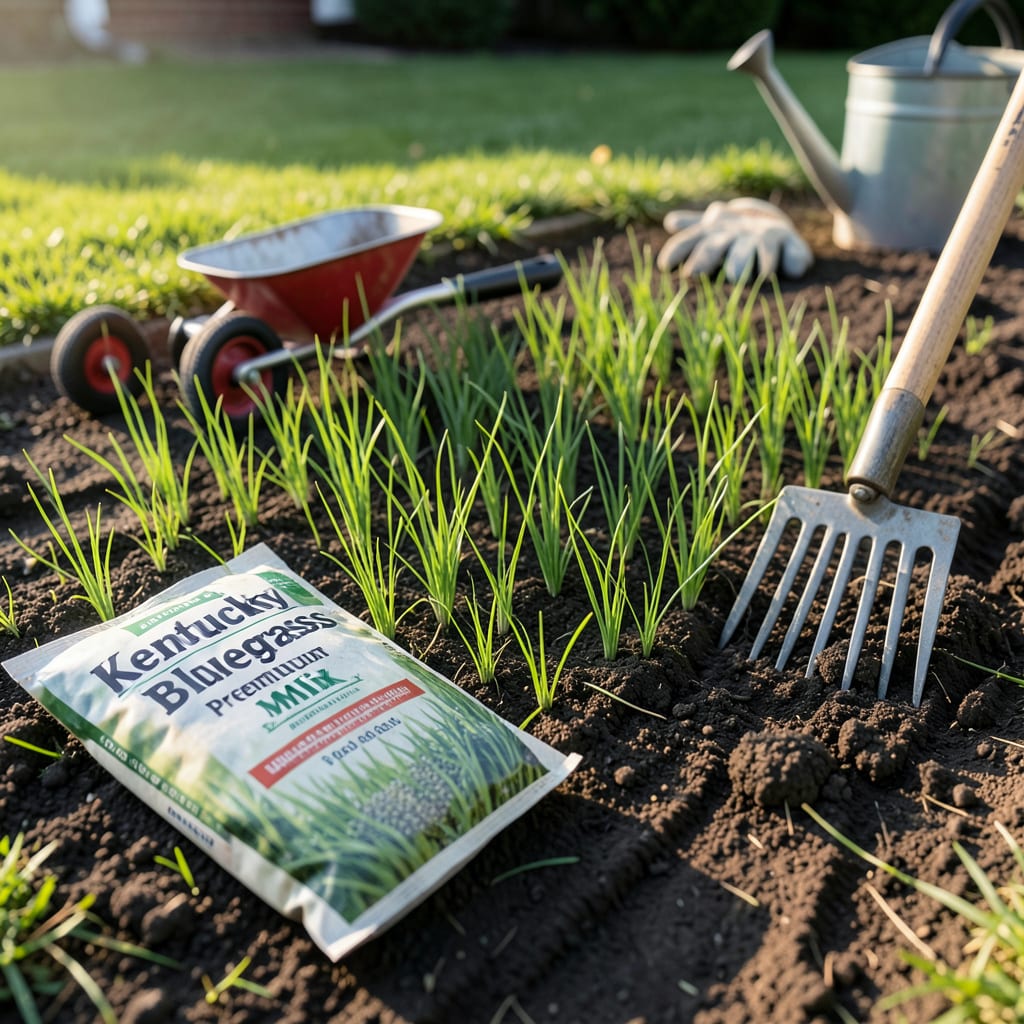
Timing your ✂️Grass planting in Colorado can mean the difference between a lush lawn and a patchy disappointment. Plant too early, and late frosts might wipe out your efforts. Wait too long, and summer’s scorching heat could fry tender new shoots before they take root.
After years of testing what works (and what doesn’t) in our 5a-7a climate, I’ve nailed down the perfect windows—whether you’re in Denver’s Front Range or up in the mountains. Let me show you how to sync with Colorado’s seasons for grass that thrives, not just survives.
If you’ve ever wondered why your neighbor’s lawn looks like a golf course while yours resembles a patchy desert, timing is likely the culprit. In Colorado, planting grass at the wrong time can mean wasted seed, weak roots, or a lawn that struggles to survive our wild temperature swings. The key? Working with our unique climate zones—not against them.
Here’s the golden rule: Fall is king for most of Colorado. Specifically, late August through mid-September gives cool-season grasses like Kentucky Bluegrass and Tall Fescue the perfect window to establish roots before winter. Spring planting (April to early May) can work, but it’s riskier due to late frosts and summer drought stress. Mountain towns like Vail or Aspen have even tighter windows—more on that below.
| Region | Best Planting Window | Spring Risk | Fall Advantage | First Frost Date | Recommended Grasses |
|---|---|---|---|---|---|
| Front Range (Denver, Boulder, Fort Collins) |
Aug 15 – Sep 15 (Fall) Apr 1 – May 15 (Spring) |
Late frosts (until May 15), summer heat stress | Cooler temps, more rainfall, fewer weeds | Oct 10-20 | Kentucky Bluegrass, Tall Fescue, Fine Fescue |
| High Country (Vail, Aspen, Breckenridge) |
Aug 1 – Sep 1 (Fall only) |
Short season, frost risk until June | Warmer soil than spring, better germination | Sep 15-Oct 1 | Fine Fescue, Buffalo Grass, Ryegrass blends |
| Eastern Plains (Colorado Springs, Pueblo) |
Sep 1 – Oct 1 (Fall) Mar 15 – Apr 30 (Spring) |
Drought stress, high winds | Longer fall warmth, less competition from weeds | Oct 20-Nov 1 | Tall Fescue, Buffalo Grass, Bermudagrass (warmer areas) |
*Frost dates are averages; check local weather for microclimate variations. Elevation changes of 500ft can shift dates by 1-2 weeks.
Let’s talk soil temperature—the secret weapon for germination. Cool-season grasses need soil temps between 50-65°F to sprout reliably. In the Front Range, this sweet spot hits in early September, while mountain areas may not reach it until late August. Pro tip: Use a soil thermometer (or check local ag extension data) to avoid guessing.
Spring planting isn’t impossible, but it’s a high-stakes gamble. If you go this route, aim for April 15-May 1 in lower elevations and May 15-June 1 in the mountains. The catch? You’ll battle late frosts, weed competition, and water restrictions as summer hits. I’ve seen too many DIYers lose their lawns to June’s 90°F scorchers—save yourself the heartache and stick to fall if possible.
For high-altitude areas (7,000ft+), the rules bend even more. Buffalo Grass and Fine Fescue are your best bets—they handle cold snaps and drought better than Kentucky Bluegrass. Plant no later than September 1 up there, or roots won’t establish before the first hard freeze. And yes, snow cover helps—it insulates seeds and keeps soil moist!
Watering after planting is non-negotiable. New grass needs daily light watering (just enough to keep the top inch of soil damp) for the first 2 weeks, then deep soaks 2-3x weekly as roots grow. In Colorado’s arid climate, this often means supplementing rainfall—especially in September, when our monsoon season tapers off. Use a rain gauge to track moisture; 1-1.5 inches per week is the golden rule.
Here’s a reality check: Elevation changes everything. Denver’s 5,280ft might get a frost on October 10, but Leadville (10,152ft) could see it by September 1. Always adjust your planting date 1 week earlier for every 500ft gain in elevation. When in doubt, call your local county extension office—they’ve got hyper-local data that’s pure gold.
If you’re overseeding an existing lawn, the same fall window applies, but you can push it slightly later (until early October in the Front Range). Use a slice seeder for best seed-to-soil contact, and mow low (1.5-2 inches) before seeding. Skip the spring overseeding—it’s wasteful unless you’re repairing small patches with sod or plugs.
Finally, avoid these critical mistakes: Planting too deep (seed needs light to germinate—1/4 inch max!), skipping a soil test (Colorado’s clay or alkaline soils often need amendments), or ignoring water restrictions. I’ve seen entire neighborhoods violate watering bans and pay hefty fines—don’t be that guy. Use smart controllers or drip irrigation to stay compliant while keeping your lawn lush.
Not all grass is created equal—especially in Colorado, where drought resistance and cold hardiness can make or break your lawn. After testing dozens of varieties in my own yard (and seeing plenty of failures!), I’ve narrowed it down to the top 4 grasses that actually thrive here. The secret? Matching the right type to your elevation and microclimate.
For the Front Range (Denver, Boulder, Fort Collins), Kentucky Bluegrass and Tall Fescue reign supreme. They handle our clay soils and temperature swings like champs, but their planting windows differ. Bluegrass loves fall planting (Aug 15-Sep 15), while Tall Fescue can stretch into early October thanks to its deeper roots. Both need full sun—so if your yard’s shady, keep reading.
| Grass Type | Best Planting Time | Drought Tolerance | Cold Hardiness | Sun Needs | Ideal For |
|---|---|---|---|---|---|
| Kentucky Bluegrass | Aug 15-Sep 15 (Fall) | Medium | High | Full Sun (6+ hrs) | Front Range, parks, high-traffic lawns |
| Tall Fescue | Aug 1-Sep 30 (Fall) | High | Medium-High | Full Sun to Partial Shade | Drought-prone areas, clay soils |
| Fine Fescue | Jul 15-Sep 1 (Fall) | Medium-High | Very High | Partial Shade (4+ hrs) | Mountain towns, shady yards |
| Buffalo Grass | May 15-Jun 15 (Spring) | Very High | Medium | Full Sun (6+ hrs) | Eastern Plains, water-restricted areas |
*Drought tolerance rated for established lawns (new lawns need consistent water). Cold hardiness reflects survival at -20°F without snow cover.
If you’re in the mountains (Aspen, Vail, Breckenridge), Fine Fescue is your MVP. It laughs at sub-zero temps and thrives in partial shade, making it perfect for forested lots. Plant it July 15-September 1 to beat the early frosts. For sunny mountain slopes, try a Fine Fescue/Bluegrass blend—the Bluegrass fills in faster while the Fescue handles the cold.
Down on the Eastern Plains (Colorado Springs, Pueblo)? Buffalo Grass is the native hero. This warm-season grass breaks all the rules: Plant it in late spring (May 15-June 15), water it half as much as other grasses, and watch it turn lush green by July. The catch? It goes dormant brown in winter—so pair it with winter rye for year-round green if you’re fancy.
Here’s my pro tip for overseeding: Use Tall Fescue to patch bare spots in existing Bluegrass lawns. The Fescue’s deep roots survive drought better, and its clumping growth won’t invade your Bluegrass. Just mow low (1.5 inches), aerate, then spread seed September 1-15. Water twice daily for 2 weeks, then taper off.
For shady yards (thanks, mature trees!), Fine Fescue or a Tall Fescue/Bluegrass mix is your best shot. Avoid Bermudagrass—it’ll die in our winters—and Zoysia, which struggles with Colorado’s alkaline soils. If you’re desperate for a low-water shade solution, mix Fine Fescue with clover microclover (yes, really!). It stays green with 30% less water.
Remember: Soil prep trumps seed choice. Before planting any grass, test your soil’s pH (Colorado’s often 7.5-8.5, which locks out nutrients). Amend with compost or sulfur if needed, and aerate compacted clay. I’ve seen $500 in premium seed fail because the soil wasn’t prepped—don’t make that mistake!
Lastly, watering new grass isn’t optional. For the first 2 weeks, keep the top inch of soil consistently damp (think sponge, not swamp). Use a rain gauge to track 1-1.5 inches weekly, and water in early morning to prevent fungus. After 3 weeks, switch to deep, infrequent watering to train roots downward.
Even with perfect timing, small missteps can sabotage your Colorado lawn before it ever gets started. I’ve seen homeowners waste hundreds in seed and water by making avoidable errors—especially when it comes to soil prep and watering. Let’s tackle the biggest offenders so your grass gets the strong start it deserves.
The #1 killer of new lawns? Skipping soil testing. Colorado’s soils are often alkaline (pH 7.5-8.5) or packed with clay or rocks, which choke out tender roots. Always test your soil 4-6 weeks before planting—it’s a $20 investment that saves you $200 in dead grass. If your pH is too high, mix in sulfur or peat moss to balance it.
💡 Pro Tip: If you’re overseeding, mow your existing lawn to 1.5 inches first, then aerate. This ensures seed-to-soil contact—critical for germination in Colorado’s compacted soils.
Another silent lawn killer? Compacted soil. Colorado’s clay-heavy dirt suffocates roots and pools water, leading to fungus and weak growth. Always aerate before planting—rent a core aerator for $60/day or hire a pro. For rocky mountain soils, top-dress with ¼ inch compost after seeding to improve moisture retention.
Don’t forget about weed competition. Crabgrass and bindweed will outcompete your new grass if you don’t act. Apply a pre-emergent herbicide (like prodiamine) 6 weeks before planting—but never use weed-and-feed mixes on fresh seed. For existing weeds, hand-pull or spot-treat with vinegar spray (10% acetic acid) 2 weeks before seeding.
Finally, mowing too soon can ruin weeks of work. Wait until your new grass reaches 3-4 inches tall, then mow to 2 inches. Use a sharp blade—dull ones tear grass, inviting disease. In Colorado’s dry fall winds, leave clippings to retain moisture, but rake them if they clump. And never mow when soil is frozen or soggy—it compacts dirt and uproots tender seedlings.
Here’s your Colorado lawn
Fall planting (August-September) gives roots time to establish before winter without the stress of summer heat. Spring planting risks late frosts and drought, which can wipe out tender seedlings. The only exception? Buffalo Grass, which thrives when planted in late spring.
For every 500ft gain in elevation, plant 1 week earlier. In Aspen (7,900ft), that means seeding by August 1 instead of mid-September. Mountain areas also have shorter seasons, so fall is your only reliable window.
No—July’s heat and water restrictions make it the worst time. Wait until late August when temperatures cool. If you must plant mid-summer, choose drought-tolerant Buffalo Grass and water daily until established.
Tall Fescue germinates in 7-14 days and establishes quickly. For even faster coverage, use a Tall Fescue/Kentucky Bluegrass blend and keep soil moist. Avoid fast-growing grasses like Rye in hot areas—they’ll burn out by August.
New lawns need 1-1.5 inches per week, split into daily light waterings for the first 2 weeks. After that, switch to deep soaks 2-3x weekly. Use a rain gauge—most Coloradans underwater!
