
Beautiful Plants For Your Interior
Beautiful Plants For Your Interior
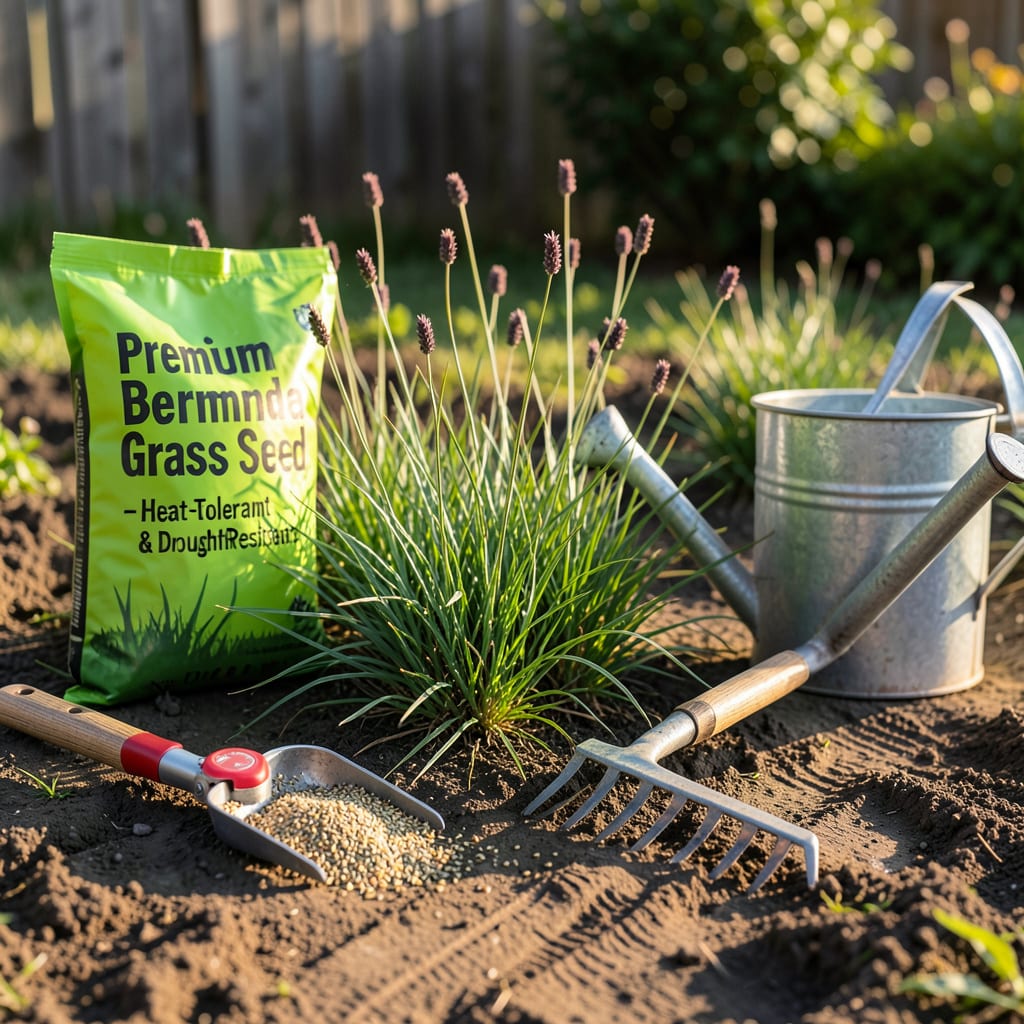
Timing your grass planting in Arizona isn’t just about picking a date—it’s about outsmarting the desert. Plant too late, and your 🌱 lawn battles scorching summers before it’s ready. Go too early, and frost might wipe out your efforts before they even begin.
After years of testing what works (and what doesn’t) in Zone 9b, I’ve nailed down the exact windows for lush, resilient grass. Whether you’re in Phoenix or Flagstaff, I’ll show you how to sync with Arizona’s wild climate swings—so your lawn thrives, not just survives.
If you’ve ever tried growing grass in Arizona, you know the desert doesn’t play nice with just any planting schedule. The scorching summers and mild winters create a unique challenge, but I’ve found the sweet spots for both warm-season and cool-season grasses. Timing aligns with soil temperature—not just air temps—so grab a soil thermometer!
For warm-season grasses like Bermuda or Zoysia, you’ll want to plant when soil hits 65-70°F, typically February through April or September through October. Cool-season varieties like Ryegrass or Tall Fescue thrive when planted in late September through November for winter green. Avoid June-August—the heat will fry tender new growth.
| Grass Type | Best Months to Plant | Key Notes |
|---|---|---|
| Bermuda 🌱 | Feb-Apr, Sep-Oct | Needs full sun, drought-tolerant once established |
| Zoysia 🌱 | Mar-May, Sep-Oct | Slower to establish but heat-resistant |
| Ryegrass 🌱 | Sep-Nov | Ideal for winter color; overseed Bermuda in Oct |
| Tall Fescue 🌱 | Sep-Nov, Feb-Mar | Handles partial shade, stays green year-round |
| Buffalo Grass 🌱 | Apr-May, Sep | Drought-tolerant native; low maintenance |
In Phoenix or Tucson, stick to Bermuda or Buffalo Grass—they laugh at 110°F days once established. But if you’re up in Flagstaff or Prescott, Tall Fescue or Kentucky Bluegrass can handle the cooler temps and occasional frost. Always check your USDA zone—Arizona spans zones 4b-10b!
Here’s my pro tip: Soil prep is 50% of success. Before planting, till in 2-3 inches of compost to improve water retention. Arizona’s native soil is often clay-heavy or sandy, so amending gives roots a fighting chance. Test your soil’s pH—grass prefers 6.0-7.5. Too alkaline? Add sulfur or peat moss.
Watering is another critical factor. New lawns need daily light watering for the first 2 weeks, then taper to deep soaks 2-3x weekly. Use a soil moisture meter to avoid overwatering—root rot is a silent killer in desert climates. And don’t forget mulch! A thin layer of straw helps retain moisture without smothering seeds.
If you’re overseeding an existing Bermuda lawn with Ryegrass for winter, aim for mid-October. Scalp the Bermuda first (mow to ½ inch), then aerate before seeding. This ensures good seed-to-soil contact. I use a roller after seeding to press seeds into the soil—boosts germination rates by 30%!
For sod installation, timing shifts slightly. Spring (March-April) or fall (September-October) works best, but avoid peak summer. Sod needs immediate watering—within 30 minutes of laying—and daily watering for the first week. I like to stagger sod pieces in a brickwork pattern to prevent seams from drying out.
Watch for weeds—they’ll outcompete new grass faster than you can say “crabgrass.” Apply a pre-emergent herbicide (like prodiamine) in early February for warm-season grasses, or late August for cool-season types. Just never use it when seeding—it’ll block your grass seeds too!
Finally, adjust your expectations. Arizona lawns often take 3-4 weeks to establish versus 2 weeks in milder climates. Be patient, keep the soil consistently moist, and avoid heavy foot traffic for the first 6 weeks. Trust me, the payoff—a lush, heat-resistant lawn—is worth the wait!
Still unsure? Try a small test patch first. Plant a 10×10 ft area with your chosen grass, monitor its progress, and adjust your full lawn plan based on results. This is how I perfected my low-water Bermuda mix—now it thrives on half the water of my neighbor’s lawn! 🌿
Planting grass in Arizona isn’t just about picking a date—it’s about working with the desert’s rhythm. I’ve learned that soil temperature and moisture levels matter more than the calendar. The key is aligning your planting with Arizona’s two growing seasons: spring and fall.
In my experience, September through November is prime time for most grasses. The monsoon rains have prepped the soil, and cooler nights reduce evaporation. But don’t wait too long—December plantings risk frost damage in higher elevations. For spring, aim for February through April before the heat ramps up.
Test soil pH (aim for 6.0-7.5) and amend with compost. Order seeds/sod for late February planting of warm-season grasses.
Ideal for Bermuda and Zoysia. Soil temps hit 65°F+. Water daily for 2 weeks, then taper to 3x weekly.
Avoid planting—focus on watering deeply (1-1.5″ weekly) and mowing high (3-4″) to protect roots from rising temps.
No planting—even heat-tolerant grasses struggle. Increase water to every 3-4 days but watch for fungal issues from humidity.
Best planting window! Soil stays warm as air cools. Perfect for Ryegrass overseeding (mid-Oct) or Tall Fescue establishment.
Last chance for cool-season grasses. Reduce watering to 1x weekly. In Flagstaff, protect new lawns with straw mulch before frost.
I always remind gardeners: Arizona’s elevation changes everything. In Phoenix (Zone 9b), you can plant Bermuda year-round with care, but in Flagstaff (Zone 6b), stick to May or September to avoid frost. Use the USDA Plant Hardiness Zone Map to pinpoint your exact window.
Here’s my watering hack for new lawns: Set up a simple drip system with emitters every 12 inches. Run it for 15 minutes, 3x daily for the first week, then reduce frequency but increase duration. This mimics Arizona’s monsoon pattern—short, frequent drinks prevent runoff on our compacted soils.
Don’t forget about shade strategies. In Arizona, afternoon sun can be brutal. I use shade cloth (30-50% density) over new seedlings for the first 2 weeks. For established lawns, consider drought-tolerant trees like Palo Verde or Mesquite on the west side of your yard. They’ll provide relief without competing for water.
If you’re overseeding Bermuda with Ryegrass for winter color, timing is critical. I’ve found October 15-30 works best in the low desert, while high-country gardeners should seed by October 1. Use a seed slicer for best soil contact, and keep the area moist until germination (usually 7-14 days).
For sod installations, I swear by the “staggered brick” pattern. Lay pieces in a running bond (like brickwork) to prevent seams from drying out. Water immediately after laying, then roll the entire area to ensure root-to-soil contact. In Arizona’s heat, sod can dry out in hours, so plan to install early in the morning and water thoroughly by 10 AM.
🌿Arizona’s desert climate throws curveballs at even the most seasoned gardeners. Between 110°F summers, alkaline soil, and water restrictions, growing grass here feels like a high-stakes experiment. But after years of trial and error, I’ve cracked the code on turning these challenges into advantages.
The biggest hurdle? Extreme heat. New grass seedlings can’t handle Arizona’s June-August furnace, so I always recommend fall planting (September-November) for best results. If you must plant in spring, aim for early March before temps climb. Pro tip: Use shade cloth (30-50% density) to protect seedlings during peak sun hours.
Water restrictions got you stressed? I’ve found that drip irrigation with 12-inch emitter spacing cuts water use by 40% compared to sprinklers. For new lawns, run systems for 15 minutes, 3x daily for the first week, then shift to deep soaks 2-3x weekly. Mulch with straw (not hay) to retain moisture without smothering seeds.
Struggling with poor soil? Arizona’s native dirt is often compacted clay or nutrient-poor sand. My fix: Till in a 50/50 mix of compost and native soil to a depth of 6 inches before planting. For extra insurance, add mycorrhizal fungi (like Root Maximizer) to help roots access water and nutrients in tough conditions.
Weeds and pests love Arizona as much as we do. Combat crabgrass and goatheads with a pre-emergent herbicide (apply in early February and late August). For grubs and chinch bugs, treat with beneficial nematodes or neem oil in May and September. Always spot-treat—never blanket your lawn with chemicals in this fragile ecosystem.
If traditional grass feels like too much work, consider drought-tolerant alternatives. Buffalo grass thrives on 70% less water than Kentucky Bluegrass, while UC Verde (a Bermuda hybrid) stays green with half the irrigation. For shaded areas, El Toro Zoysia handles partial sun and recovers quickly from foot traffic. 🌿
Fall (September-November) wins for most grasses. The soil stays warm while air temps cool, reducing stress on new growth. Spring works for warm-season types like Bermuda, but avoid May-June—rising heat can scorch tender roots.
No—June-August is a death zone for new lawns. Soil temps often exceed 90°F, frying seeds before they sprout. Even heat-tolerant varieties like Bermuda struggle to establish. Wait until September for reliable results.
Till in 2-3 inches of compost to combat our clay or sandy soil. Test pH—grass thrives at 6.0-7.5. If your soil’s alkaline (common here), mix in sulfur or peat moss before planting.
In Phoenix/Tucson, Bermuda or Buffalo Grass handle 110°F+ summers. Up in Flagstaff/Prescott, opt for Tall Fescue or Kentucky Bluegrass—they tolerate frost and cooler nights.
Water 3x daily (15 mins each) for the first week, then shift to deep soaks 2-3x weekly. Use drip irrigation with 12-inch spacing to cut water waste by 40% vs. sprinklers. Always water before 8 AM to beat evaporation.
