
Beautiful Plants For Your Interior
Beautiful Plants For Your Interior
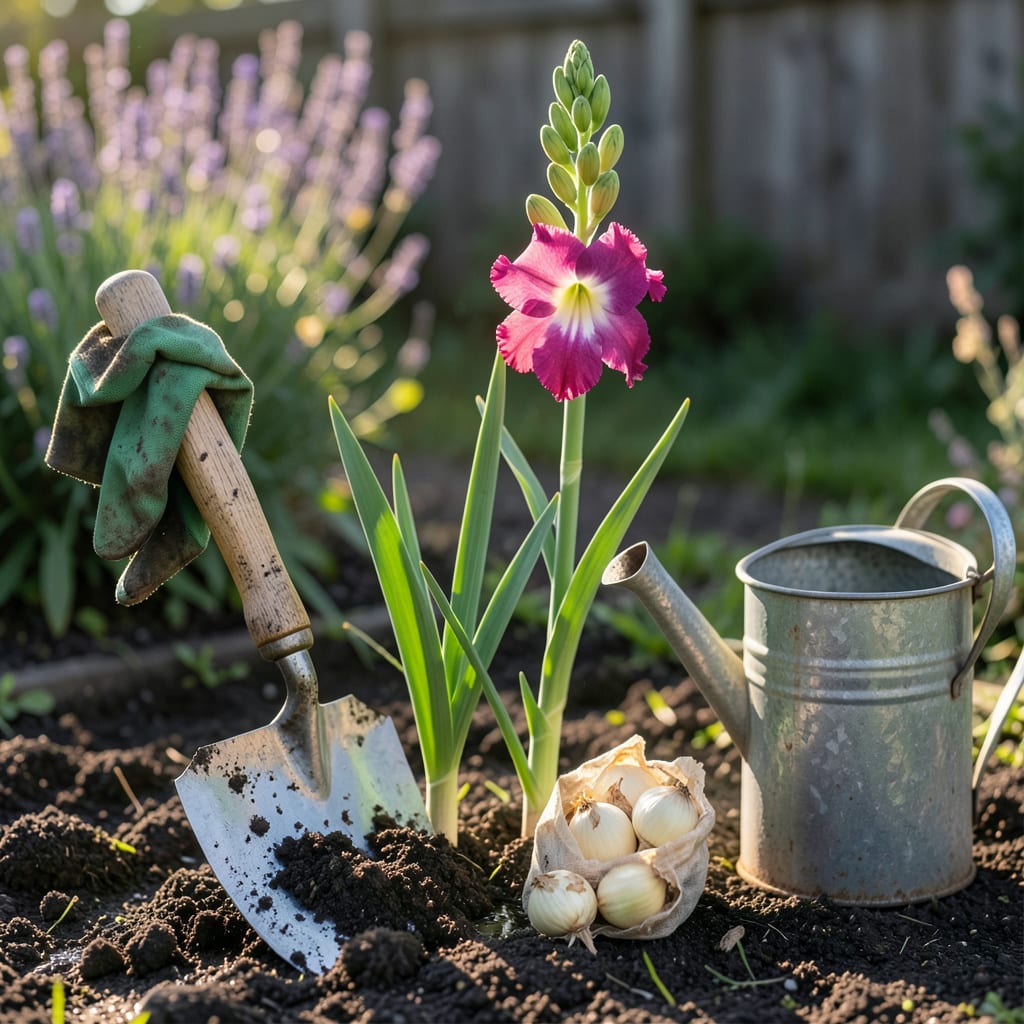
That first warm April afternoon in Wisconsin has you itching to get your 🌷 gladiolus bulbs in the ground—but hold on. Plant too early, and a sneaky late frost could wreck your summer flower show. I’ve seen it happen too many times.
Timing isn’t just about the calendar—it’s about soil temps and Wisconsin’s finicky Zone 5 climate. Get this right, and you’ll have towering spikes bursting with color by July. Let me show you exactly when to plant for maximum impact (and zero regrets).
If you want those dramatic gladiolus spikes lighting up your Wisconsin garden this summer, timing your planting is non-negotiable. Our Zone 5 climate means you’ve got a narrow window between frost risks and scorching heat. I’ve found the sweet spot starts when soil temps hit 55°F—usually late April to mid-May.☀️
Wisconsin’s last frost date averages May 15, but don’t rush it. Planting in cold, soggy soil is a surefire way to rot your corms before they sprout. I wait until at least two weeks after the last frost to ensure the ground is warm enough. Southern Wisconsin gardeners can often plant earlier than their northern counterparts.🌱
For extended blooms, I stagger my plantings every 10-14 days through late May. This trick gives me fresh gladiolus spikes from July until the first frost. If you’re in Zone 4b (northern Wisconsin), lean toward the later end of the window—your soil warms slower than Madison or Milwaukee.🌷
Don’t forget to prep your soil before planting. Gladiolus hate soggy feet, so I amend my beds with compost and sand to improve drainage. A sunny spot with 6+ hours of light is ideal—these beauties won’t tolerate shade. Plant corms 4-6 inches deep and space them 6-8 inches apart for airflow.🪴
If you’re itching to get started earlier, you can pre-sprout corms indoors in pots 4-6 weeks before your planting date. Just keep them in a cool, bright spot (60-65°F) until transplanting. This head start works wonders in shorter growing seasons like Wisconsin’s.✂️
Watch the 10-day forecast before planting. If nighttime temps are dipping below 50°F, hold off. Gladiolus corms need consistent warmth to establish roots. I’ve lost plants to late frosts by jumping the gun—learn from my mistakes!🌡️
For fall care, mark your calendar to dig up corms after the first frost blackens the foliage. Wisconsin winters are too harsh for these tender bulbs. Store them in a cool, dry place (40-50°F) until next spring. Proper storage ensures bigger, better blooms next year.💧
If you’re planting in containers, use a well-draining mix and place pots in full sun. Container-grown gladiolus need more frequent watering—check soil moisture daily in summer. I love using them to line my patio for a burst of vertical color.🌿
Remember, Wisconsin’s weather can be unpredictable. Keep row covers or frost blankets handy for unexpected cold snaps. With the right timing and care, you’ll be rewarded with those iconic towering spikes that make gladiolus a garden showstopper.🌷
Even with perfect timing, your gladiolus corms can fail if you fall into these common Wisconsin traps. I’ve learned the hard way that Zone 5 gardening demands extra attention to soil, spacing, and weather. Let’s save your blooms before you even plant them!🌱
The biggest mistake? Planting too early in cold, wet soil. Wisconsin’s May 15 frost date is just an average—some years, late frosts linger. I always check my soil thermometer before planting; anything below 55°F spells trouble for tender corms.☀️
Fix these, and you’ll triple your bloom success!
Another silent killer: heavy clay soil. Much of Wisconsin has dense, moisture-retaining soil that suffocates gladiolus roots. I combat this by amending beds with 3 inches of compost and 1 inch of coarse sand before planting. Raised beds work even better for drainage.💧
Don’t overlook planting depth. Bury corms 4-6 inches deep—too shallow, and they’ll flop; too deep, and they’ll struggle to emerge. I use a measuring stick to ensure consistency. Space them 6-8 inches apart for airflow, which prevents fungal issues in our humid summers.🌷
Many gardeners forget staking support. Wisconsin’s summer storms can snap those tall spikes. I install bamboo stakes at planting time and tie stems loosely with soft twine as they grow. This prevents wind damage without restricting growth.🌬️
Finally, watering mistakes wreck more gladiolus than pests do. Keep soil evenly moist but never soggy. I water deeply once weekly (more in droughts) and always in the morning to prevent fungal growth. Mulch helps retain moisture while keeping corms cool.🪴
Skip these errors, and you’ll enjoy healthier plants with bigger blooms all summer. Wisconsin’s climate is challenging, but with these fixes, your gladiolus will thrive like they’re in a Mediterranean garden!🌿
Not all gladiolus thrive in Wisconsin’s Zone 5 climate, but these tough varieties have proven themselves in my garden year after year. I focus on early-blooming types that beat our short season and disease-resistant cultivars that shrug off our humid summers. Here are my top performers.🌷
For reliable color, you can’t go wrong with ‘Atom’—its deep red blooms appear just 70 days after planting. I love ‘Priscilla’ for soft pink spikes that reach 4 feet tall without staking. Both handle Wisconsin’s temperature swings beautifully.🌿
For compact gardens, try ‘Nymph’—its 2-foot stems pack a punch without overwhelming small spaces. The salmon-pink flowers glow in Wisconsin’s summer light. If you love bicolors, ‘Boone’ (white with red throats) adds elegance but may need beetle protection.✂️
Want cutting garden stars? ‘Green Star’ offers unique lime-green florets that last 10 days in vases. Pair it with ‘Plum Tart’ for deep purple contrast. Both handle Wisconsin’s temperature swings better than most hybrids.💧
For late-season color, ‘Her Majesty’ blooms in August-September, extending your gladiolus show. Its rich purple spikes reach 5 feet—perfect for back borders. I plant these in my warmest microclimate near the house foundation.☀️
All these varieties thrive when planted in well-draining soil with full sun. I source my corms from local Wisconsin nurseries like Jung Seed or Bluestone Perennials—they select strains proven to perform in our climate. Store extra corms in a cool, dry place (40-50°F) over winter.🌱
Planting too early risks corm rot or frost damage. Wisconsin’s May 15 frost date is just an average—some years see late freezes. Always check soil temps (must be 55°F+) before planting.
Use 12-inch deep pots with drainage holes and full-sun placement. Container-grown glads need daily water checks in summer. I mix in sand to improve drainage in heavy Wisconsin soils.
Install bamboo stakes at planting and cover young shoots with frost blankets during cold snaps. Wisconsin’s unpredictable weather demands preparation. Remove covers during the day to prevent overheating.
Yes, but go light. Mix 1 tbsp 5-10-10 fertilizer per planting hole. Our heavy clay benefits from compost more than heavy feeding. Feed again when spikes reach 12 inches tall.
Plant corms 6 inches deep and space 8 inches apart. Wisconsin’s shorter season means proper depth prevents flopping. Stake early and water consistently for maximum height.
