
Beautiful Plants For Your Interior
Beautiful Plants For Your Interior
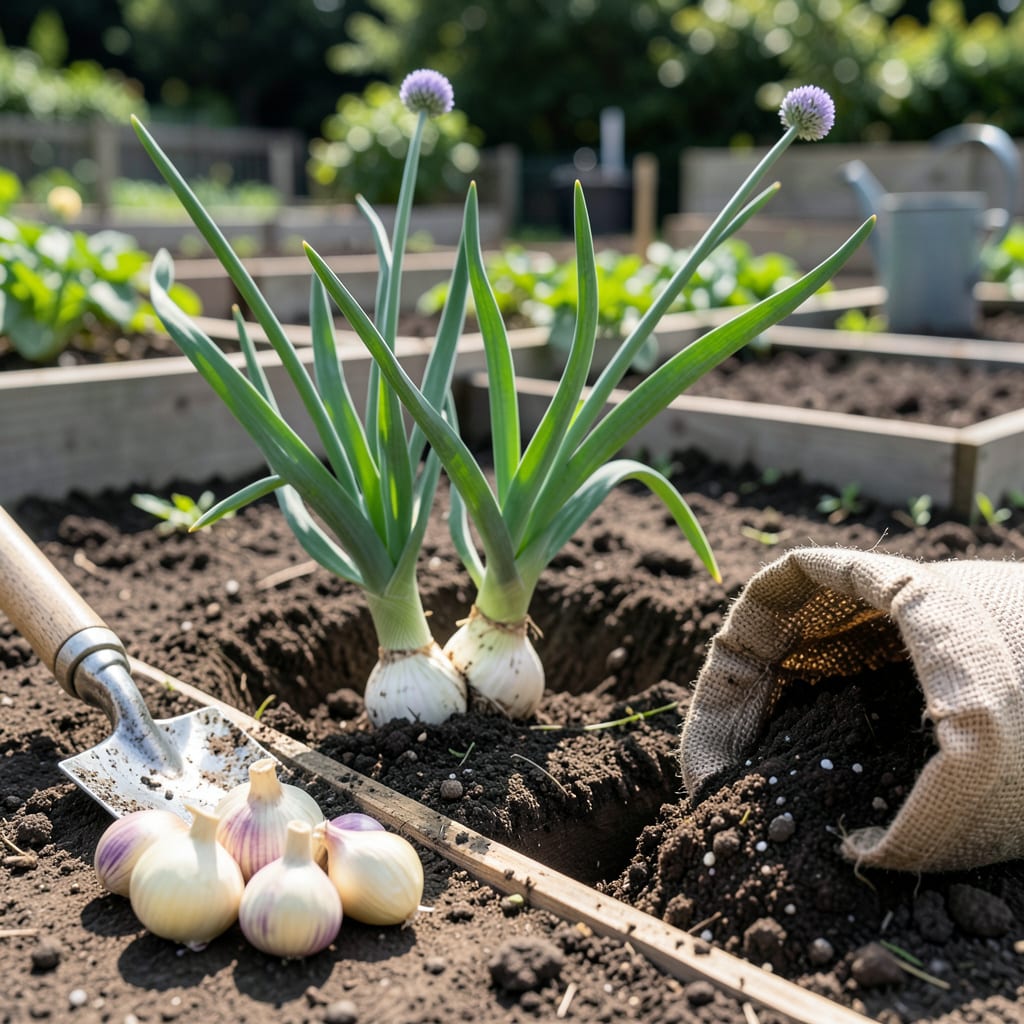
If you’ve ever pulled up puny garlic bulbs in summer, you know timing is everything in New England. Plant too early, and shoots sprout before winter; too late, and roots won’t establish. The sweet spot? A narrow fall window that sets the stage for next year’s harvest.
I’ve tested this firsthand—garlic thrives when planted 4–6 weeks before the ground freezes, giving roots time to anchor without top growth. Stick with me, and I’ll show you exactly how to nail the timing for plump, flavorful bulbs come July. No guesswork, just proven results.
If you’re growing garlic in New England, fall planting is your golden ticket to plump, flavorful bulbs next summer. The secret? Timing it just right—4–6 weeks before the ground freezes—so roots establish without tops sprouting. Miss this window, and you risk frost damage or stunted growth.
New England’s USDA zones 3–7 mean planting dates vary. Coastal areas like Massachusetts can plant later (early November), while northern zones like Vermont’s Zone 3 need cloves in the ground by mid-October. Soil temps should hover around 50°F–60°F for best results.
| Region | USDA Zone | Ideal Planting Window | First Frost Date |
|---|---|---|---|
| Coastal MA/RI | 7a–7b | Oct 15 – Nov 10 | Nov 15–30 |
| Southern NH/CT | 5b–6a | Oct 1 – Oct 30 | Oct 15–30 |
| Northern VT/ME | 3–5a | Sep 20 – Oct 15 | Sep 20–Oct 10 |
*Adjust for microclimates: Urban areas may plant 1–2 weeks later due to heat retention.
Why does this timing matter? Garlic needs root growth before winter but no top growth that could freeze. I’ve seen gardeners in Boston plant as late as November 15 with success, while Burlington, VT growers swear by early October. The key is checking your local frost dates—aim for 6 weeks prior.
Soil prep is just as critical. Test your pH—garlic thrives in 6.0–7.0. Work in 2–3 inches of compost before planting, and avoid soggy spots. If your soil stays wet, consider raised beds to prevent rot. A little effort now means bigger bulbs come July harvest.
Pro tip: Use a soil thermometer to confirm temps are below 60°F. If you’re planting in sandy soil (common in Cape Cod), add extra organic matter to retain moisture. Mulch with 4–6 inches of straw after planting to insulate cloves through New England’s unpredictable winters.
What if you miss the window? You can try spring planting, but expect smaller bulbs. For the best results, mark your calendar for Columbus Day weekend—it’s a reliable reminder for most of New England. And don’t forget: bigger cloves yield bigger bulbs, so sort your seed garlic before planting.
New England’s short growing season demands precision, but the payoff is worth it. By planting in fall, you’re giving garlic a head start. Come spring, you’ll see vigorous green shoots emerging as soon as the soil warms. That’s your sign of success—roots established, ready to bulk up for a bountiful summer harvest.
Still unsure? Check with your local extension office—UMass Amherst and UNH Extension offer region-specific guides. Or ask a neighbor! Gardeners in Portland, ME or Providence, RI often have hyper-local tips. The goal is the same: healthy roots before winter, then patience until harvest.
Remember, garlic is a low-maintenance crop once planted. Water lightly after planting, then let winter do its work. By next July or August, you’ll be pulling up bulbs bursting with flavor—all because you nailed the timing this fall.
🌱Now that you know when to plant, let’s tackle the how-to for winter survival. I’ve learned the hard way that garlic needs proper soil prep and precise planting depth to thrive. Start by choosing a sunny spot with well-draining soil—garlic hates soggy roots.
First, test your soil’s pH level—aim for 6.0–7.0. If it’s too acidic, mix in lime; too alkaline, add sulfur. Work in 2–3 inches of compost to boost fertility. In heavy clay? Raise the bed or add sand to improve drainage. This step alone can double your harvest size.
Break apart your seed garlic bulbs into individual cloves, keeping the papery wrappers intact. Select the largest cloves—they’ll produce the biggest bulbs. Plant them pointy-end up, 2 inches deep, and 6 inches apart. Rows should be 12 inches apart for easy weeding.
After planting, cover the bed with 4–6 inches of straw mulch. This insulates the soil, preventing frost heave that can push cloves out of the ground. In windy areas, secure mulch with row covers or burlap. Water lightly to settle the soil, then stop—garlic needs dry conditions to avoid rot.
Come spring, remove mulch gradually as shoots emerge. Fertilize lightly with a balanced 10-10-10 when leaves are 4–6 inches tall. Watch for scapes (hardneck varieties) in June—snip them to redirect energy to bulb growth. Stop watering 2 weeks before harvest to toughen bulb wrappers.
For container gardeners, use 12-inch-deep pots with drainage holes. Fill with a mix of potting soil and compost. Plant cloves as you would in-ground, but water slightly more often—containers dry out faster. Move pots to a sheltered spot (like a garage) if temps drop below 20°F.
🪴Choosing between hardneck and softneck garlic can make or break your New England harvest. I’ve grown both, and each has its perks—hardnecks handle our brutal winters like champs, while softnecks store longer for year-round use. Let’s dig into which suits your garden best.
New England’s cold climate favors hardneck varieties like ‘German White’ or ‘Music’. They’re cold-hardy, produce flavorful cloves, and even send up edible scapes in spring. But if you prioritize storage life, softnecks like ‘Silverskin’ or ‘Artichoke’ might win you over.
*For New England, hardnecks are the top performer but softnecks work with extra winter protection.
If you’re in northern New England (Zones 3–5), I’d bet on hardnecks. Their thick stems push through frozen soil, and they rarely fail. Try ‘Purple Stripe’ for a pop of color or ‘Chesnok Red’ for a sweet, rich flavor. Coastal gardeners (Zones 6–7) can experiment with both types.
For small gardens, hardnecks are space-efficient—their larger cloves mean fewer plants for the same yield. But if you love braiding garlic for gifts, softnecks’ flexible stems are ideal. I plant both: hardnecks for eating fresh and softnecks for storing through winter.
Pest resistance matters too. Hardnecks like ‘Spanish Roja’ shrug off white rot and nematodes better than most softnecks. If your soil has issues, lean toward hardnecks. And always rotate crops—never plant garlic where onions or garlic grew the year before.
🌱Pro tip: Buy seed garlic from local farms or reputable suppliers like Filaree Farm or Keene Garlic. Grocery store garlic is often treated to prevent sprouting, and you’ll waste a season. Invest in quality seed, and you’ll taste the difference next summer.
Planting too early can cause shoots to emerge before winter, making them vulnerable to frost damage. Aim for 4–6 weeks before the ground freezes—this gives roots time to establish without top growth. In New England, this usually means mid-October to early November.
Yes, but expect smaller bulbs. Spring-planted garlic lacks the winter root development that fall planting provides. If you must, plant as soon as the soil is workable in early spring. Use extra mulch to protect young plants from late frosts.
Test your soil temperature—it should be below 60°F but not frozen. Use a soil thermometer for accuracy. Also, check drainage by digging a 12-inch hole and filling it with water. If it drains within 2 hours, your soil is ready.
Straw is ideal—apply 4–6 inches after planting to insulate cloves. Avoid hay (it contains seeds) or leaves (they mat down). In windy areas, secure mulch with row covers or burlap to prevent it from blowing away.
Small bulbs often result from planting too late, poor soil fertility, or inconsistent watering. Ensure you’re planting large, healthy cloves in well-amended soil. Overcrowding can also stunt growth—space cloves 6 inches apart.
