
Beautiful Plants For Your Interior
Beautiful Plants For Your Interior
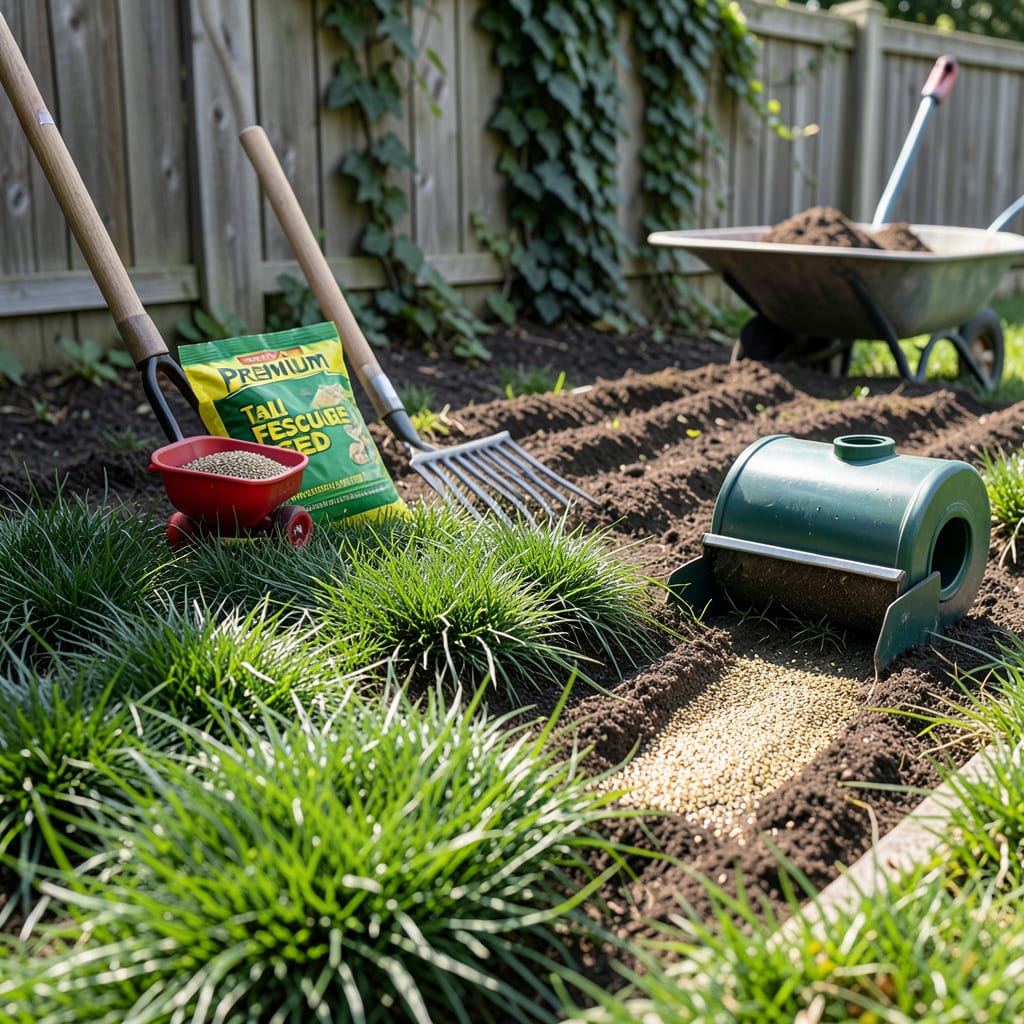
That perfect South Carolina lawn you’ve been dreaming of? It starts with one critical decision: when to put fescue in the ground. Plant too early, and summer’s lingering heat will fry those tender seedlings. Wait too long, and winter frost could stunt growth before roots even establish.
Here’s the good news—I’ve broken down the exact windows for Piedmont vs. Coastal regions, so you’ll know precisely when to act. No guesswork, just a lush, green lawn that thrives year-round. Let’s get your timing right.
If you’ve ever struggled with patchy fescue lawns, I’ve got good news: South Carolina’s climate gives you two prime planting windows—but timing varies dramatically between the Piedmont’s rolling hills and the Coastal Plain’s humidity. The secret? Matching your seed to soil temperatures (50–65°F) and frost dates.
In the Piedmont region (think Greenville or Columbia), you’ll want to plant early September through mid-October. The cooler nights and shorter days trigger germination just as summer’s brutal heat fades. Coastal areas like Charleston? You’ve got more flexibility—late September to November works best, thanks to milder winters and slower temperature drops.
Why does this timing matter so much? Fescue seeds need consistent moisture and cool soil to germinate. Plant too early in August, and South Carolina’s 90°F+ heat will bake the seeds before they sprout. Wait until December? Frost can kill tender seedlings before they establish roots.
Here’s a trick I swear by: Check your local frost dates. In Columbia (Zone 8a), the first frost typically hits around November 10. Count backward 6–8 weeks—that’s your planting sweet spot. Coastal gardeners in Zone 8b (like Hilton Head) can push it later, but don’t gamble past Thanksgiving.
For tall fescue (the most common type in SC), aim for 6–8 weeks of growth before winter. That gives roots time to dig deep—critical for surviving Piedmont’s occasional 20°F snaps or Coastal salt spray. Fine fescue? It’s less heat-tolerant, so stick to the earlier side of your region’s window.
Don’t forget soil prep! A week before planting, I till in 2–3 inches of compost and test pH (fescue thrives at 6.0–7.0). Rake the seedbed smooth, then water deeply. After sowing, cover with ¼ inch of straw to retain moisture—this is non-negotiable in SC’s dry fall winds.
Watering is where most folks mess up. For the first 10 days, keep soil damp but not soggy (think misting 2x daily). After germination, shift to deep watering 3x weekly. Coastal lawns may need less frequency thanks to humidity, but Piedmont soils dry faster—check moisture at 1″ depth.
If you’re overseeding an existing lawn, mow low (1.5″) first and aerate to ensure seed-to-soil contact. I’ve seen too many SC lawns fail because seeds sat on thatch instead of soil. For bare spots, mix seed with starter fertilizer (10-10-10) and lightly rake in.
Still unsure? Here’s my foolproof rule: When nighttime temps dip below 60°F and daytime highs stay under 80°F, it’s go time. That’s usually late September in the Upstate and early October along the coast. Mark your calendar—your future lawn will thank you! 🌱
Even with perfect timing, I’ve seen too many South Carolina lawns fail because of avoidable errors. The biggest mistake? Planting fescue in summer’s lingering heat. August might seem tempting, but soil temps above 70°F will fry your seeds before they germinate.
Another common pitfall is skipping soil prep. Fescue needs loose, well-draining soil—especially in the Sandhills’ sandy ground or Piedmont’s clay-heavy areas. If you don’t till in 2–3 inches of compost or test pH (aim for 6.0–7.0), you’re setting yourself up for a weak, patchy lawn.
Watering mistakes are another lawn killer. I’ve seen folks either drown their seeds or let them dry out. The first 10 days are critical: light misting 2x daily keeps soil damp without washing seeds away. After germination, switch to deep watering 3x weekly—1 inch per session to encourage deep roots.
Coastal gardeners, watch out for hurricane season flooding. If heavy rains are forecasted, delay planting or cover seeds with straw to prevent washout. In the Piedmont, drought stress is the bigger risk—mulch with ¼ inch of straw to lock in moisture without smothering seedlings.
Don’t overlook seed-to-soil contact. If you’re overseeding, aerate first to break up thatch, then mow low (1.5 inches). Broadcast seed, lightly rake, and roll with a lawn roller for even coverage. Bare spots? Mix seed with compost or sand for better distribution and moisture retention.
Finally, fertilizer timing trips up even experienced gardeners. Apply starter fertilizer (10-10-10) at planting, but skip nitrogen-heavy feeds after October—it promotes weak, frost-sensitive growth. Instead, use a winterizer (high potassium) in late fall to strengthen roots.
Remember: Fescue is a cool-season grass, but South Carolina’s winters are unpredictable. If you avoid these mistakes and stick to your region’s optimal window, you’ll be rewarded with a lawn that stays green year-round—even through the Piedmont’s cold snaps or Coastal salt breezes. 🌿
Once your fescue seeds are in the ground, the real work begins—especially in South Carolina, where winters can swing from Piedmont freezes to Coastal mild spells. The first 30 days are make-or-break for seedlings, and how you care for them now determines whether you’ll have a lush lawn or a patchy mess come spring.
Start with a gentle watering routine: keep soil consistently moist (but never soggy) for the first 2 weeks. I use a mist setting on my hose to avoid displacing seeds. After germination, shift to deep watering—1 inch per week, split into 2–3 sessions. Coastal lawns may need less thanks to humidity, but Piedmont soils dry faster, so check moisture daily.
Mow high (3–4 inches) before winter to protect roots from cold snaps. In the Piedmont, apply a winterizer fertilizer (high potassium) in late November. Coastal lawns? Skip heavy feeds—mild winters mean less dormancy stress.
Fertilizing is where many SC gardeners go wrong. After planting, I apply a starter fertilizer (10-10-10) to boost root growth. But here’s the key: stop nitrogen-heavy feeds by October 15. Instead, switch to a winterizer (5-10-30) in late fall—this strengthens roots without promoting tender growth that frost can kill.
For Piedmont lawns, watch for cold snaps below 20°F. If forecasted, water deeply the day before—moist soil holds heat better than dry. Coastal gardeners, your bigger threat is salt spray from winter storms. Rinse lawns with fresh water after heavy winds to prevent sodium buildup, which turns fescue brown.
Don’t forget weed control! Fall-planted fescue is vulnerable to winter weeds like chickweed. I hand-pull invaders and spot-treat with post-emergent herbicide (only after 3 mowings). Avoid pre-emergents—they’ll kill your new grass too. Mulch bare spots with straw to suppress weeds and retain warmth.
Finally, resist the urge to over-maintain. Fescue goes semi-dormant in winter, so skip heavy raking or foot traffic. If brown patches appear, don’t panic—it’s likely winter dormancy, not death. Come spring, rake out debris, aerate, and apply a slow-release fertilizer (16-4-8) to kickstart growth. 🌱
Planting too early in summer heat is the top error. Soil temps above 70°F will fry seeds before they sprout. Always wait until nighttime temps drop below 60°F and daytime highs stay under 80°F.
For the first 10 days, mist lightly 2x daily to keep soil damp. After germination, switch to deep watering 3x weekly (about 1 inch total). Coastal areas may need less due to humidity.
Spring planting is possible but riskier. The window is narrow (March 1–April 15), and seedlings face summer heat before roots establish. Fall planting (Sept–Nov) gives better results with cooler temps and fewer weeds.
Piedmont regions (like Greenville) should plant Sept 1–Oct 15 due to earlier frosts. Coastal areas (Charleston) can plant later (Sept 15–Nov 15) thanks to milder winters. Always check your local frost dates!
