
Beautiful Plants For Your Interior
Beautiful Plants For Your Interior
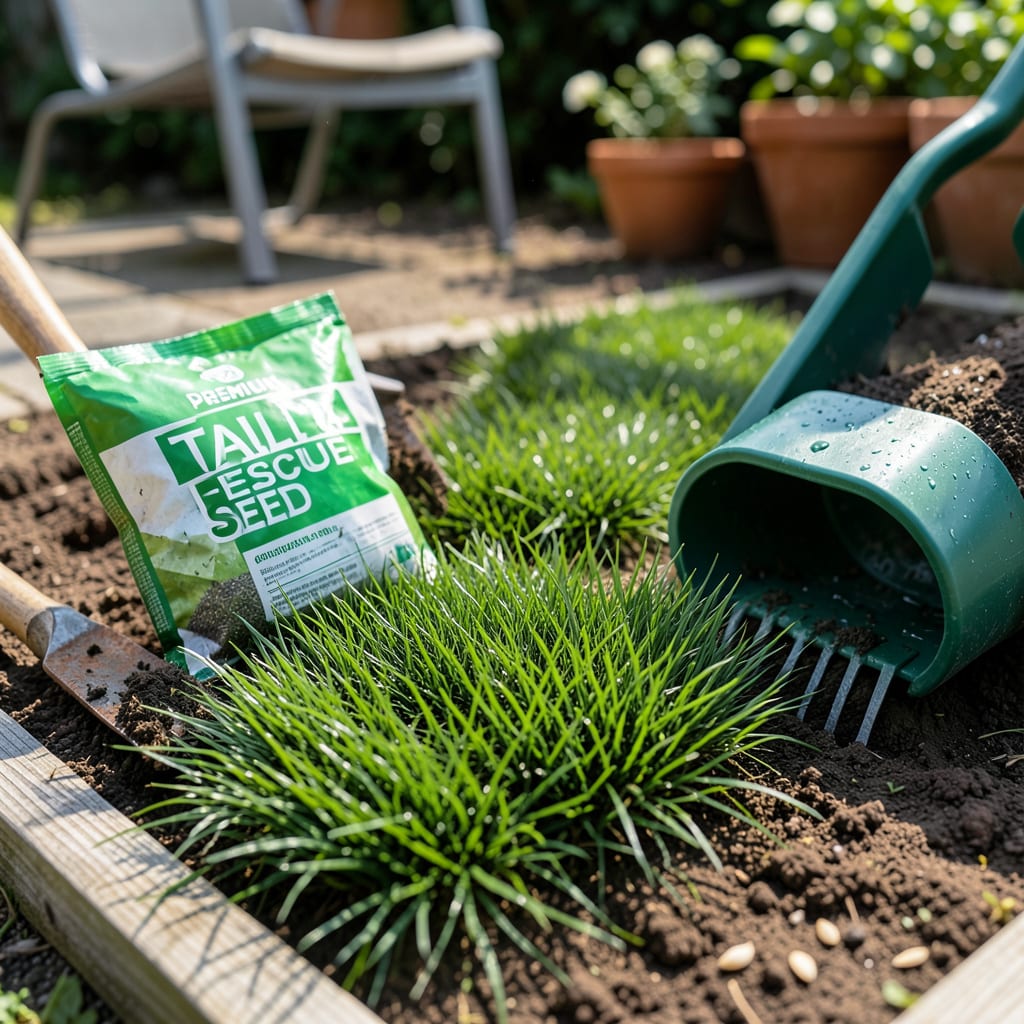
Timing your fescue planting in South Carolina can mean the difference between a patchy lawn and a lush, green carpet. Plant too late, and winter’s chill stunts growth; plant too early, and summer’s lingering heat fries tender seedlings.
After testing different approaches across the state’s diverse climates—from the Piedmont’s clay-heavy soil to the Coastal Plain’s humidity—I’ve nailed down the ideal windows for success. Whether you’re in Greenville or Charleston, I’ll show you exactly when to plant for a lawn that thrives, not just survives.
If you’ve ever struggled with patchy lawns or weak fescue growth, timing might be your issue. South Carolina’s diverse climate means what works in Charleston’s coastal humidity won’t cut it in Greenville’s Piedmont clay. The secret? Planting when soil temps hit 60–65°F—not too hot, not too cold.
Fall is your best bet for fescue in SC, but the exact window shifts by region. In the Piedmont, aim for early September to mid-October to beat the first frost. Coastal folks? You’ve got until late October thanks to milder winters. Spring planting is possible, but it’s a riskier gamble with summer heat looming.
| Region | Best Fall Window | Spring Window | First Frost Date | Soil Prep Tip |
|---|---|---|---|---|
| Piedmont (Columbia, Greenville) | Sept 1 – Oct 15 | March 15 – April 15 | Nov 1 | Aerate clay soil + compost |
| Coastal (Charleston, Myrtle Beach) | Sept 15 – Oct 30 | March 1 – April 1 | Nov 15 | Test for sandy soil drainage |
| Mountains (Upstate, Asheville area) | Aug 25 – Oct 10 | April 1 – April 30 | Oct 15 | Add organic matter for slope stability |
Why does this timing matter? Fescue needs 4–6 weeks of growth before frost to establish roots. Plant too late, and your seedlings will enter winter weak and vulnerable. In the Piedmont, where clay soil dominates, early fall planting gives roots time to penetrate before the ground freezes.
Coastal SC’s warmer winters and sandy soil mean you can push planting later, but don’t wait too long. The humidity here also means fungal risks—so avoid overwatering. Mountain regions? Your shorter growing season demands planting by early October at the latest.
Pro tip: Check your local frost dates via the Clemson Extension—they’re more precise than general zone maps. For example, Aiken’s frost hits earlier than Hilton Head’s. A soil thermometer ($10 at garden centers) takes the guesswork out of timing.
Spring planting in SC is tricky but doable. The key? Wait until soil temps stay above 55°F—usually late March in the Piedmont, early March on the coast. But beware: summer heat can stress young fescue, so you’ll need to water deeply (1–1.5 inches weekly) through June.
If you’re overseeding an existing lawn, early fall is still ideal. Mow low (2 inches), rake out debris, and use a slice seeder for best seed-to-soil contact. For new lawns, till the soil and add 2–3 inches of compost—especially in the Piedmont’s heavy clay.
Remember, tall fescue (like ‘Kentucky 31’ or ‘Titan’) handles SC’s heat better than fine fescue. If you’re in a shady spot, mix in 10% fine fescue for density. And no matter where you are, avoid planting in July or August—the heat will fry your seedlings.
After planting, keep the soil consistently moist (not soggy) for 2–3 weeks. Use a light mulch (straw, not hay) to retain moisture and prevent erosion. Once your fescue reaches 3–4 inches, mow high (3 inches) to encourage deep roots. This is especially critical in SC’s drought-prone summers.
Still unsure? Grab a free soil test from your local Clemson Extension office. They’ll check pH and nutrients—fescue thrives in pH 5.8–6.5. Adjust with lime if needed, and you’ll be rewarded with a lush, resilient lawn that laughs at SC’s weather mood swings. 🌱
Even with perfect timing, small errors can ruin your fescue lawn. I’ve seen SC gardeners waste time and money by overlooking region-specific pitfalls. The good news? These mistakes are easy to avoid once you know what to watch for.
First, never plant in summer. SC’s July–August heat will scorch tender fescue seedlings before they establish roots. If you miss the fall window, wait for early spring—but be ready to babysit your lawn through drought-prone May.
Another big mistake? Planting too shallow or deep. Fescue seed needs ¼-inch coverage—bury it deeper, and it won’t germinate; leave it exposed, and birds will feast. Use a lawn roller after seeding to ensure good soil contact, especially on slopes.
Don’t forget about fertilizer timing. Applying high-nitrogen fertilizer in summer stresses fescue. Instead, feed in early fall (September) and late spring (May) with a 16-4-8 blend. Coastal lawns may need less; Piedmont lawns often need more due to clay’s nutrient-locking.
Finally, mowing too soon is a rookie error. Wait until your fescue reaches 4 inches tall, then mow to 3 inches. This height shades roots, conserves moisture, and outcompetes weeds—critical in SC’s humid, weed-friendly climate. 🌱
If you’re overseeding, skip the herbicide for 4 weeks pre/post-planting. And always rake up debris first—thatch and leaves block seed-to-soil contact. A slice seeder gives best results, but hand-broadcasting works if you top-dress with ⅛-inch compost.
You’ve planted your fescue at the perfect time—now the real work begins. Those first 30 days are critical for establishing a deep root system, especially in SC’s unpredictable climate. Whether you’re dealing with Piedmont clay or coastal sand, your post-planting routine makes all the difference.
The golden rule? Keep soil consistently moist for 2–3 weeks. That means light daily watering (unless rain does the job). Use a rain gauge to track moisture—aim for ¼-inch per day. In the Piedmont, clay holds water longer, so check soil before watering. Coastal gardens dry faster, so morning watering beats evening humidity.
Fertilizer timing is just as crucial. Skip the high-nitrogen blends in fall—opt for a starter fertilizer (like 10-10-10) at planting. This encourages root growth, not leafy tops. In spring plantings, wait 4–6 weeks before fertilizing to avoid burning tender roots. Clemson Extension recommends 1 lb of nitrogen per 1,000 sq ft for established lawns.
Mowing too soon is a common mistake. Let your fescue reach 4 inches tall before the first cut, then set your mower to 3 inches. This height helps shade roots and retain moisture—critical for SC’s summer droughts. Always use a sharp blade to prevent tearing. Leave clippings on the lawn; they return nutrients to the soil.
Watch for weed competition, especially in spring plantings. Crabgrass and nutsedge thrive in SC’s heat. Hand-pull weeds or spot-treat with a post-emergent herbicide labeled for fescue. Avoid broad-spectrum weed killers until your lawn is fully established (after 3–4 mowings). For stubborn areas, corn gluten meal is a natural pre-emergent option.
Finally, don’t forget soil testing. SC’s soils vary wildly—Piedmont clay often lacks phosphorus, while coastal sand may need organic matter. Your local Clemson Extension office offers free tests. Adjust pH to 5.8–6.5 with lime or sulfur as needed. A little extra effort now means a thicker, greener lawn that handles SC’s weather extremes like a pro. ✂️
Fall planting gives fescue 4–6 weeks to establish roots before winter dormancy. Spring plantings often struggle with SC’s summer heat and drought. Fall’s cooler temps and consistent moisture create ideal conditions for strong root development.
Check two things: temperature and texture. Soil should be 60–65°F (use a cheap thermometer) and crumbly—not muddy or bone-dry. In the Piedmont, clay soil may need compost to improve drainage. Coastal sand often benefits from added organic matter.
It’s risky. While coastal SC might allow late plantings, most regions see slow germination after November. Seedlings need 6+ weeks of growth before frost. December planting often results in weak grass that struggles in spring. Stick to September–October for best results.
Skipping soil prep! Many plant directly into compacted clay (Piedmont) or nutrient-poor sand (Coastal). Always till in 2–3 inches of compost and test pH (aim for 5.8–6.5). A $15 soil test from Clemson Extension prevents costly errors.
Wait until it reaches 4 inches tall, then mow to 3 inches. This usually takes 3–4 weeks after germination. Never remove more than ⅓ of the blade at once. Sharp mower blades prevent tearing—critical for SC’s humid climate where diseases spread fast.
