
Beautiful Plants For Your Interior
Beautiful Plants For Your Interior
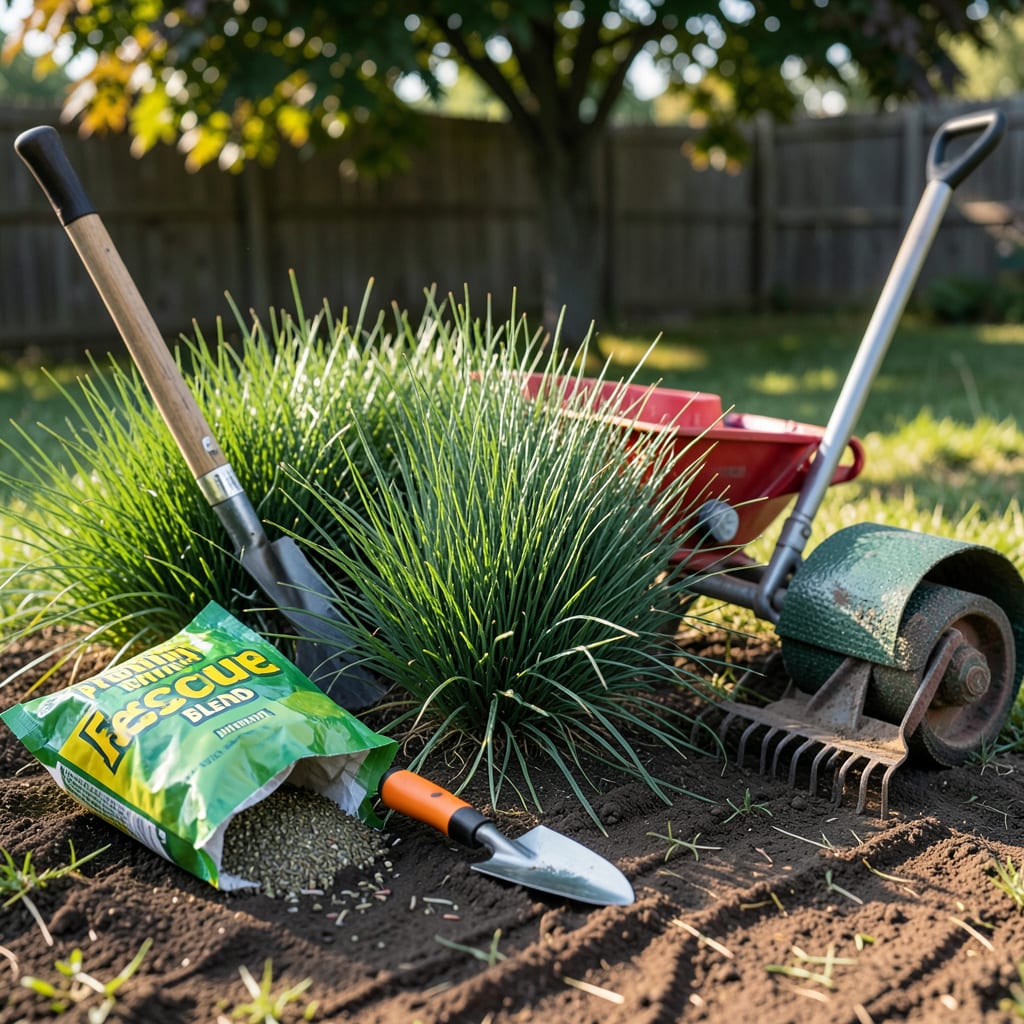
Missouri’s unpredictable weather can turn fescue planting into a gamble—plant too early, and frost might ruin your lawn. Too late? Your grass struggles to take root before summer’s heat hits. The difference between a lush lawn and a patchy mess often comes down to just a few weeks.
After years of testing and talking to local experts, I’ve nailed down the ideal windows for Missouri’s climate zones. Whether you’re in St. Louis or the Ozarks, I’ll show you exactly when to plant fescue for thick, resilient growth—no guesswork required.
If you’re dreaming of a lush, green lawn in Missouri, timing your fescue planting is everything. Missouri’s climate—with its hot summers and cold winters—can be tough on grass, but fescue thrives when planted at the right time. I’ve seen too many homeowners struggle with patchy lawns simply because they seeded too early or too late.
The ideal window for planting fescue in Missouri is early fall, typically from mid-August to mid-September. This gives the grass time to establish roots before winter. Spring planting is possible, but it comes with challenges like weed competition and summer heat stress. Let’s break it down by season. 🌱
| Season | Optimal Planting Window | Soil Temperature | Key Considerations |
|---|---|---|---|
| Early Fall | Mid-August to Mid-September | 50°F–65°F | Best for root establishment; avoid late frost risk. |
| Late Fall | Late September to Early October | 50°F–60°F | Riskier—roots may not establish before winter. |
| Spring | Late March to Early April | 55°F–65°F | Competes with weeds; requires more watering. |
*Based on USDA Zones 5–7 (covers most of Missouri). Adjust for microclimates in St. Louis vs. rural areas.
Why does fall planting win? Cooler temperatures and consistent moisture reduce stress on new seedlings. The soil stays warm enough for root growth but isn’t scorching like in summer. I always recommend aiming for at least 45 days before the first frost (around October 15 in most of Missouri).
If you miss the fall window, spring planting is your backup. However, you’ll need to be vigilant about watering deeply (1–1.5 inches per week) and controlling weeds, which germinate aggressively in spring. Avoid planting too late in spring—May plantings often struggle with summer heat before roots fully develop. 🌧️
For St. Louis and southern Missouri (Zone 6–7), you can push the fall planting window slightly later—up to early October—thanks to milder winters. But in northern Missouri (Zone 5), stick to August–September to avoid frost damage. Always check your local frost dates for precision.
Soil temperature is your secret weapon. Fescue seeds germinate best when soil temps are 50°F–65°F. Use a soil thermometer or check university extension reports (like University of Missouri’s lawn guides) for real-time data. If the soil is too cold (below 50°F), seeds will sit dormant and risk rotting. ☀️
Pro tip: Tall fescue is the most common variety in Missouri due to its drought tolerance and shade adaptability. Fine fescues (like creeping red fescue) work well in cooler, shadier areas but may struggle in Missouri’s summer heat. Choose a high-quality seed blend labeled for the Midwest.
Before planting, prep your soil by aerating (especially if you have Missouri’s heavy clay) and adding compost to improve drainage. A soil test (available through MO Extension offices) will tell you if you need lime to adjust pH—fescue prefers 6.0–7.0 pH. Skipping this step often leads to poor germination. ✂️
After seeding, keep the soil consistently moist (not soggy) for the first 2–3 weeks. Use a light layer of straw mulch to retain moisture and protect seeds from birds. Once the grass reaches 3–4 inches, mow it to 2 inches to encourage thickening. Avoid heavy foot traffic for the first month!
Even with perfect timing, small mistakes can derail your fescue lawn in Missouri. I’ve watched neighbors struggle with patchy growth or weak roots because they overlooked seasonal pitfalls. Let’s tackle the most common errors—so you can sidestep them and grow a lawn that thrives year-round. 🌱
The biggest fall planting mistake? Waiting too long. If you seed after mid-October in most of Missouri, your fescue won’t have enough time to establish roots before winter. Those tender seedlings can’t survive freezing temps without a strong root system. Another fall flub: skipping soil prep. Missouri’s clay soil compacts easily, so aerate and add compost before seeding.
*University of Missouri Extension warns: “Late fall plantings fail 70% more often” than August–September seeds.
Spring plantings face a different set of challenges. The biggest? Weed competition. Fescue germinates slowly (7–14 days), while weeds like crabgrass sprout in just 3–5 days. If you plant in spring, apply a fescue-safe pre-emergent (like mesotrione) or hand-pull weeds diligently. Another spring slip-up: underwatering. New seedlings need 1–1.5 inches of water weekly, but many homeowners assume spring rains are enough. 💧
Missouri’s clay soil trips up even experienced gardeners. If you don’t amend it, water pools on the surface, drowning seeds or causing fungal diseases. Mix in 2–3 inches of compost or sand to improve drainage. Another clay-related mistake: planting too shallow. Fescue seeds need ¼-inch soil coverage to germinate properly. Use a rake to lightly cover seeds after broadcasting.
Summer seeding is almost always a bad idea in Missouri. Soil temps above 85°F can kill fescue seeds or cause uneven germination. If you must plant in summer, wait for a cool, overcast week and water twice daily (morning and evening) to keep soil temps down. Even then, success rates drop by 50% compared to fall plantings.
One often-overlooked mistake is ignoring seed quality. Cheap fescue blends may contain weed seeds or low-germination rates. Invest in certified, high-quality seed from reputable brands like Pennington or Scotts. Look for blends labeled “Turftype Tall Fescue”—they’re bred for durability in Missouri’s climate. Also, check the sell-by date; old seed loses viability quickly. ✂️
Finally, don’t forget post-planting care. Many Missouri lawns fail because homeowners mow too soon or too short. Wait until grass reaches 3–4 inches, then mow to 2–2.5 inches. Never remove more than ⅓ of the blade at once. And hold off on heavy fertilizer until after the first mowing—starter fertilizer at planting is enough to avoid burning tender roots.
Missouri’s heavy clay soil can feel like a curse for fescue planting, but I’ve learned to turn it into an advantage. The key is proper preparation—skip this step, and you’ll battle drainage issues and weak root growth. With the right approach, your fescue can thrive even in the toughest clay. 🌱
Start by testing your soil’s pH—fescue prefers 6.0–7.0. Missouri’s clay often skews acidic, so you may need to add lime (follow soil test recommendations). Then, aerate the soil to break up compaction. I use a core aerator, which pulls out small plugs, allowing water and roots to penetrate deeper.
Pro Tip: For extra drainage, mix in 1–2 inches of sand with your compost—this helps break up clay while retaining moisture.
After seeding, water lightly but frequently—keep the soil moist but not soggy for the first 2–3 weeks. Clay holds water well, so overwatering can drown seeds. I recommend short, daily watering sessions (5–10 minutes) until germination, then taper off to deep watering twice weekly. 💧
Once your fescue reaches 3 inches tall, mow it to 2 inches to encourage thickening. Avoid heavy foot traffic for the first month—clay soil compacts easily, which can smother young roots. If weeds pop up, hand-pull them instead of using herbicides until your lawn is established (after 3–4 mowings).
For long-term success, top-dress with compost annually in early fall. This gradually improves soil structure and fertility. Missouri’s clay is nutrient-rich but dense—regular aeration (every 1–2 years) keeps it from compacting. If you follow these steps, your fescue will develop deep roots that withstand Missouri’s summer droughts and winter freezes. ✂️
Seeds planted after mid-October in most of Missouri often fail to establish strong roots before winter. Without 6+ weeks of growth, tender seedlings can’t survive freezing temps. In northern Missouri (Zone 5), late plantings have a 70% higher failure rate than August–September seeds.
Summer planting is risky due to Missouri’s high soil temperatures (often above 85°F). Seeds may die or germinate unevenly. If you must, choose a cool, overcast week and water twice daily to keep soil temps down. Success rates drop by 50% compared to fall plantings.
Start with a soil test—clay often needs lime to reach fescue’s ideal 6.0–7.0 pH. Aerate deeply, then mix in 2–3 inches of compost and 1–2 inches of sand to improve drainage. Level the surface to prevent water pooling. Skipping prep leads to poor germination and weak roots.
Tall fescue is the top choice due to its drought tolerance and shade adaptability. Look for “Turftype Tall Fescue” blends labeled for the Midwest. Fine fescues (like creeping red) work in cooler, shadier areas but may struggle in Missouri’s summer heat. Always choose high-quality, certified seed.
Keep soil consistently moist (not soggy) for the first 2–3 weeks. Water lightly daily (5–10 minutes) until germination, then switch to deep watering twice weekly (1–1.5 inches total). Missouri’s clay holds water well, so overwatering can drown seeds. Adjust based on rainfall.
