
Beautiful Plants For Your Interior
Beautiful Plants For Your Interior
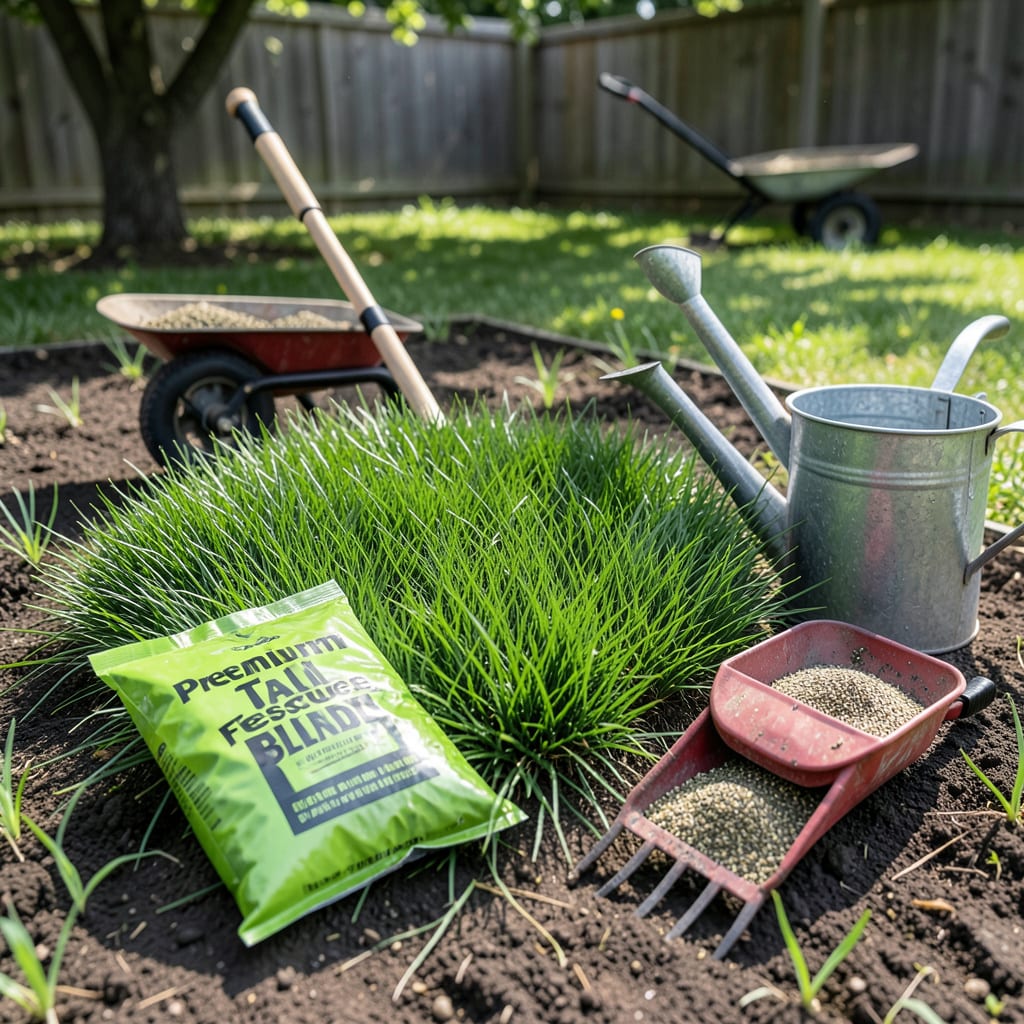
Your Georgia lawn deserves better than patchy, struggling grass. The difference between a lush, resilient fescue lawn and a disappointing one often comes down to one critical factor: when you plant it.
I’ve seen too many homeowners waste time and money by planting at the wrong time—either battling summer heat or racing against winter frost. Let me show you the exact windows for Piedmont’s hills versus the Coastal Plain, so your 🌱 fescue thrives from day one. Timing isn’t just important—it’s everything.
If you’ve ever struggled with patchy fescue lawns in Georgia, you’re not alone. The secret to a lush, drought-resistant lawn starts with nailing the planting window. Georgia’s diverse climate—from the cooler Piedmont to the warmer Coastal Plain—means one-size-fits-all advice won’t cut it. I’ll break down the exact dates to plant for your region.
Fescue thrives when planted in fall, giving roots time to establish before winter. But here’s the catch: Piedmont gardeners should aim for early fall (September 1–October 15), while Coastal Plain folks can push planting to late fall (October 1–November 15). Why? Soil temps and frost dates vary dramatically across the state.
| Region | Ideal Planting Window | Soil Temp Range | First Frost Date | Key Considerations |
|---|---|---|---|---|
| Piedmont (Zones 7a-8a) | Sept 1–Oct 15 | 60–75°F | Oct 20–Nov 10 | Earlier planting avoids cold snaps; focus on moisture retention in clay soil. |
| Coastal Plain (Zones 8b-9a) | Oct 1–Nov 15 | 65–80°F | Nov 15–Dec 10 | Later window due to milder winters; sandy soil may need extra irrigation. |
Pro Tip: Use a USDA Zone Map to confirm your exact zone.
In the Piedmont, cities like Atlanta and Athens see earlier frosts, so planting by mid-October is critical. I’ve seen lawns fail when seeded after October 20—roots don’t have enough time to establish. Aim for soil temps above 60°F for optimal germination.
Down in the Coastal Plain (think Savannah or Brunswick), you’ve got more wiggle room. The longer growing season means you can plant as late as mid-November. But don’t push it—seedlings need 4–6 weeks of growth before the first frost to survive winter.
What if you miss the fall window? Spring planting is risky but possible in early March for both regions. However, you’ll battle summer heat stress and weed competition. If you must plant in spring, choose shaded areas and water daily until established.
Soil prep matters just as much as timing. Test your pH levels—fescue prefers 6.0–7.0. In the Piedmont’s clay-heavy soil, amend with compost to improve drainage. Coastal Plain gardeners should mix in organic matter to help sandy soil retain moisture.
After planting, keep the soil consistently moist (not soggy) for 2–3 weeks. Use a light mulch (like straw) to protect seeds from birds and erosion. Avoid heavy foot traffic until the grass reaches 3–4 inches tall—usually about 4–6 weeks after germination.
If you’re overseeding an existing lawn, mow low (1.5 inches) and dethatch first. This ensures seed-to-soil contact, which is non-negotiable for germination. I recommend using a turf-type tall fescue like ‘Titan’ or ‘Kentucky 31’ for Georgia’s climate—they handle heat and humidity better than fine fescues.
Still unsure? Here’s my foolproof rule: Plant fescue 4–6 weeks before your first frost date. For Piedmont, that’s early October; for Coastal Plain, it’s mid-November. Stick to this timeline, and you’ll avoid the two biggest killers of new fescue: summer heat and winter frost damage.
Now that you know when to plant fescue in Georgia, let’s talk about how to do it right. Even with perfect timing, your lawn can fail if you skip critical steps like soil prep or proper seeding. I’ll walk you through my proven process—from testing your soil to that first mow.
Start with a soil test (kits cost under $20 at local extension offices). Fescue craves a pH of 6.0–7.0. In the Piedmont’s clay soil, you’ll likely need to add lime to raise pH or sulfur to lower it. Coastal Plain gardeners should focus on organic matter—mix in 2–3 inches of compost to help sandy soil hold moisture.
Pro Tip: Overseeding? Mow existing grass to 1.5 inches and dethatch first. This ensures seed-to-soil contact—non-negotiable for germination!
After planting, resist the urge to mow until your fescue reaches 3–4 inches tall—usually 4–6 weeks after germination. When you do mow, never remove more than 1/3 of the blade height at once. Set your mower to 2.5–3 inches for optimal health and weed suppression.
Fertilizing? Hold off until after the first mow. Then apply a starter fertilizer (like 16-4-8) at 1 lb per 1,000 sq ft. Avoid high-nitrogen fertilizers in summer—they can burn young grass and encourage disease. In fall, switch to a winterizer formula (e.g., 20-0-10) to strengthen roots before dormancy.
Weed control is tricky with new fescue. Never use pre-emergent herbicides until your lawn is fully established (after 3–4 mowings). For existing weeds, spot-treat with post-emergent herbicides labeled safe for fescue, but avoid spraying within 2 weeks of seeding—it can kill young grass.
Finally, monitor for pests like armyworms (common in Georgia’s humid summers) or fungal diseases (e.g., brown patch). If you notice yellowing blades or thinning patches, act fast: reduce watering, improve airflow, and apply fungicide if needed. A healthy fescue lawn starts with attention to detail—from day one to year one!
Still nervous? Here’s my golden rule: When in doubt, water more (not less) in the first month. Fescue seeds die from drying out, not from too much moisture—just ensure good drainage to prevent rot. Your patience will pay off with a lawn that’s the envy of the neighborhood!
🌿Even with perfect timing, your fescue lawn can fail if you fall into these common traps. I’ve seen too many Georgia homeowners make these errors—often without realizing it until their grass starts thinning or turning brown. Let’s tackle the top 3 mistakes and how to fix them.
The biggest killer of new fescue? Planting in summer heat. Even with irrigation, Georgia’s 90°F+ temperatures stress seedlings. I’ve watched entire lawns die from late-July plantings. If you miss the fall window, wait for early spring (March) or use shade cloth to protect summer-seeded areas.
Quick Fix: Overseeding? Mow low (1.5″) and dethatch first for seed-to-soil contact.
Another silent lawn killer? Skipping soil tests. Fescue struggles in acidic clay (common in Piedmont) or nutrient-poor sand (Coastal Plain). Test kits cost under $20 at UGA Extension offices. If your pH is off, amend with lime (to raise pH) or sulfur (to lower it) before planting.
Weed control timing trips up even experienced gardeners. Pre-emergent herbicides (like crabgrass preventers) will stop fescue seeds from germinating. If you must treat weeds, use post-emergent sprays labeled safe for new lawns—and never apply within 2 weeks of seeding.
Finally, overwatering is just as dangerous as underwatering. New fescue needs consistent moisture (not soggy soil) for 2–3 weeks. Use a rain gauge to track 1–1.5 inches weekly. In Coastal Plain’s sandy soil, you may need shorter, more frequent watering sessions to prevent runoff.
Remember: A thick, healthy fescue lawn starts with avoiding these pitfalls. Test your soil, plant at the right time, and manage weeds carefully. Your future self—and your neighbors—will thank you when your lawn stays green year-round! 🌿
Spring planting is risky but possible in early March for both regions. The challenge is summer heat stress and weed competition. If you must plant in spring, choose shaded areas and commit to daily watering until established. Fall remains the ideal time for best results.
Test your soil’s pH—fescue thrives in 6.0–7.0. Use a simple kit from your local extension office. In the Piedmont, clay soil may need lime to raise pH. Coastal Plain’s sandy soil often benefits from compost to improve moisture retention. Never skip this step!
The most common error is planting during summer heat. Even with irrigation, Georgia’s 90°F+ temperatures stress seedlings beyond recovery. Stick to the fall window (Sept–Nov) or use shade cloth if spring planting is unavoidable. Timing is everything!
Never apply pre-emergent herbicides before or after seeding—they’ll prevent fescue from germinating. Wait until your lawn is established (after 3–4 mowings). For existing weeds, use post-emergent sprays labeled safe for new lawns, but avoid spraying within 2 weeks of seeding.
