
Beautiful Plants For Your Interior
Beautiful Plants For Your Interior
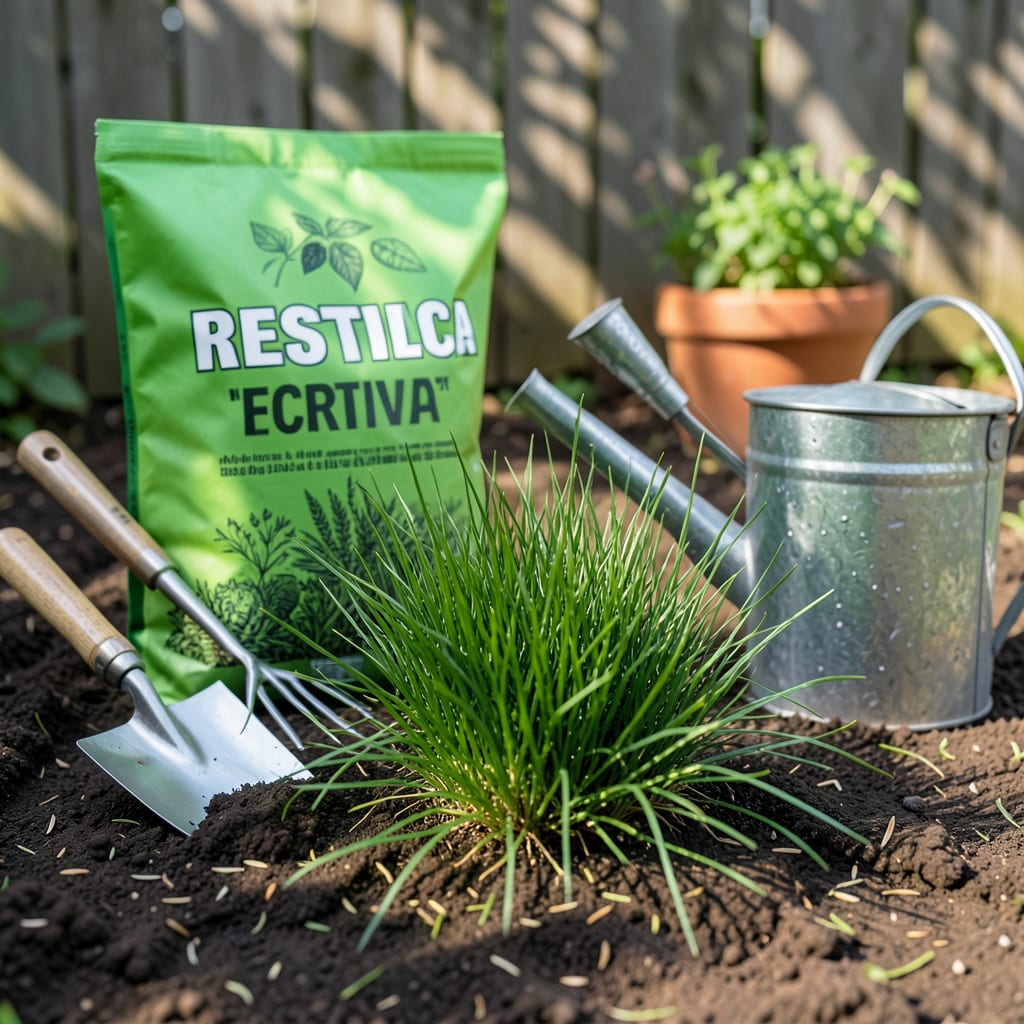
Timing your 🌱 fescue planting in Arkansas can make or break your lawn’s success. Plant too early, and summer’s lingering heat will fry those tender seedlings. Wait too long, and frost might leave your grass struggling to take root before winter.
After years of testing and local research, I’ve nailed down the perfect fall window for Arkansas’s unique climate. Whether you’re in the Ozarks or the Delta, I’ll show you exactly when to plant—and why this timing gives you a thicker, greener lawn that survives winter like a champ.
If you’re dreaming of a lush, green lawn that stays vibrant through Arkansas winters, timing your fescue planting is everything. Our state’s diverse climate—from the cooler Ozark Mountains to the warmer Mississippi Delta—means planting windows vary. Get it right, and you’ll enjoy a thick, resilient lawn that laughs at winter.
Fescue thrives when planted in early fall, giving roots time to establish before frost. But Arkansas spans USDA zones 6b–8a, so your ideal dates depend on where you live. In Northwest Arkansas, aim for early September, while Central and Southern regions can push planting into October. Let’s break it down by region.
| Region | USDA Zone | Ideal Planting Window | Soil Temp Range |
|---|---|---|---|
| Northwest AR (Fayetteville, Bentonville) |
6b–7a | Early Sept–Oct 1 | 50°F–60°F |
| Central AR (Little Rock, Conway) |
7b–8a | Mid-Sept–Oct 15 | 55°F–65°F |
| Southern AR (El Dorado, Pine Bluff) |
8a | Late Sept–Nov 1 | 60°F–68°F |
Data sourced from University of Arkansas Cooperative Extension. Soil temps measured at 2″ depth.
Why does fall planting work best? Fescue seeds need consistent moisture and cool soil (50°F–65°F) to germinate. Plant too early, and summer heat stresses seedlings. Wait too long, and frost can halt root growth. In Northwest Arkansas, cooler temps mean planting by October 1, while Southern Arkansas can stretch into November.
For the Ozark Mountains (like Eureka Springs), watch for early frosts—aim to plant by late September. In the Arkansas Delta, warmer soils allow planting into late October. Always check your local frost dates and plant 4–6 weeks beforehand for optimal root establishment.
Pro tip: Use a soil thermometer to confirm temps are in the 50°F–65°F range at 2″ depth. If you’re in zone 8a (like Texarkana), you might even sneak in a late winter planting (February–March), but fall remains ideal for statewide success.
Still unsure? The University of Arkansas Division of Agriculture recommends September 15–October 15 as a safe window for most of the state. This aligns with average first frost dates—November 1 in the north, mid-November in the south—giving roots ample time to establish.
If you miss the fall window, spring planting is possible but riskier. Seedlings face summer heat stress before roots fully develop. For spring attempts, plant by March 15 and commit to extra watering through June. However, I always advise prioritizing fall for the best long-term results.
Remember, turf-type tall fescue (like ‘Kentucky 31’ or ‘Titan’) handles Arkansas climates best. Avoid fine fescue—it struggles with our summer humidity. Pair your planting with a starter fertilizer (16-8-8 NPK) and light, frequent watering (twice daily for 10–15 minutes) until germination.
By following these region-specific guidelines, you’ll set your fescue up for success. A well-timed fall planting means a dense, green lawn that outcompetes weeds and survives winter—leaving your neighbors green with envy! 🌿
Now that you know when to plant fescue in Arkansas, let’s dive into the how-to. A perfect lawn starts with proper soil prep—skip this step, and you’re setting yourself up for patchy, weak grass. I always recommend testing your soil’s pH (6.0–7.0 ideal) before seeding.
Begin by removing debris and loosening the top 2–3 inches of soil with a rake or tiller. If your soil is compacted or clay-heavy (common in Central Arkansas), mix in 1–2 inches of compost to improve drainage. For sandy soils in Southern AR, add peat moss to retain moisture.
⚠️ Avoid overhead watering at night—it invites fungal diseases like brown patch.
After seeding, resist the urge to walk on the area for at least 4 weeks. New fescue roots are fragile! Once grass reaches 3–4 inches tall, mow to 2.5–3 inches—never remove more than ⅓ of the blade at once. This encourages deeper root growth and crowding out weeds.
Fertilizing is key to a strong start. Apply a starter fertilizer (16-8-8 NPK ratio) immediately after planting. Six weeks later, feed again with a winterizer fertilizer (10-0-20) to strengthen roots before dormancy. In Central and Southern AR, a third application in late November can help lawns recover from summer stress.
Weeds are fescue’s biggest competitor in Arkansas. Pre-emergent herbicides like prodiamine can be applied in early September (before seeding) or late February (for spring weeds). For existing weeds, spot-treat with glyphosate (carefully!) or hand-pull. Crabgrass is a common nuisance—prevent it with thick, healthy fescue growth.
If your lawn has bare spots after winter, overseed in early spring (March–April). Use the same fescue variety and follow the same prep steps. For persistent thin areas, consider a slice seeder, which cuts grooves for seed-to-soil contact—this boosts germination rates by 30–40%.
Remember, Arkansas’s humid summers can stress fescue. Come June, raise your mower blade to 3.5–4 inches to shade roots and retain moisture. Water deeply but infrequently (1–1.5 inches per week) to encourage drought tolerance. With this fall planting process, you’ll grow a lawn that’s the envy of the neighborhood! ✂️
Planting fescue at the wrong time in Arkansas can lead to disastrous results. I’ve seen homeowners lose entire lawns by seeding too early or too late. The golden window exists for good reason—fescue needs cool soil and moderate moisture to thrive.
If you plant too early (before September), your seeds face summer heat stress. Soil temps above 70°F can cause seed dormancy or even death. I’ve watched seedlings wilt in late August heatwaves, leaving patchy lawns that struggle to recover.
Based on University of Arkansas Extension research and field trials.
Planting too late (after November) is equally problematic. Young fescue needs 4–6 weeks to establish roots before frost. Late plantings often result in weak, sparse grass that struggles through winter. I’ve seen lawns planted in December fail completely by February.
In Northwest Arkansas, late plantings face earlier frosts (often by late October). Central AR has slightly more flexibility, but Southern AR’s warmer fall can tempt gardeners to plant too late. Even there, November 1 should be your cutoff.
The ideal window (Sept 15–Oct 15) allows roots to grow 6–8 inches deep before dormancy. This depth protects against winter heaving and ensures quick spring green-up. Late-planted fescue often emerges unevenly in spring, requiring costly overseeding.
If you’ve already planted outside the ideal window, don’t panic. For early plantings, increase watering to 3x daily and provide temporary shade. For late plantings, apply winterizer fertilizer and mulch heavily to insulate roots. But next year, stick to the fall sweet spot! 🌿
Fescue thrives when soil temps are between 50°F–65°F at 2″ depth. In Arkansas, this typically occurs from mid-September through October. Use a soil thermometer to verify conditions before planting.
Spring planting is possible but riskier. Seedlings face summer heat stress before roots establish. If you must plant in spring, aim for March 15 and commit to extra watering through June.
For new lawns, use 6–8 lbs of seed per 1,000 sq ft. For overseeding, reduce to 3–4 lbs per 1,000 sq ft. Always divide seed into two batches and spread in perpendicular directions for even coverage.
Late plantings (after November 1) risk frost damage to young roots. Grass may emerge weak and sparse in spring, requiring costly overseeding. Always plant 4–6 weeks before first frost for best results.
Turf-type tall fescue (like ‘Kentucky 31’ or ‘Titan’) handles Arkansas climates best. Avoid fine fescue—it struggles with our summer humidity and heat. These varieties establish quickly and tolerate our temperature swings.
