
Beautiful Plants For Your Interior
Beautiful Plants For Your Interior
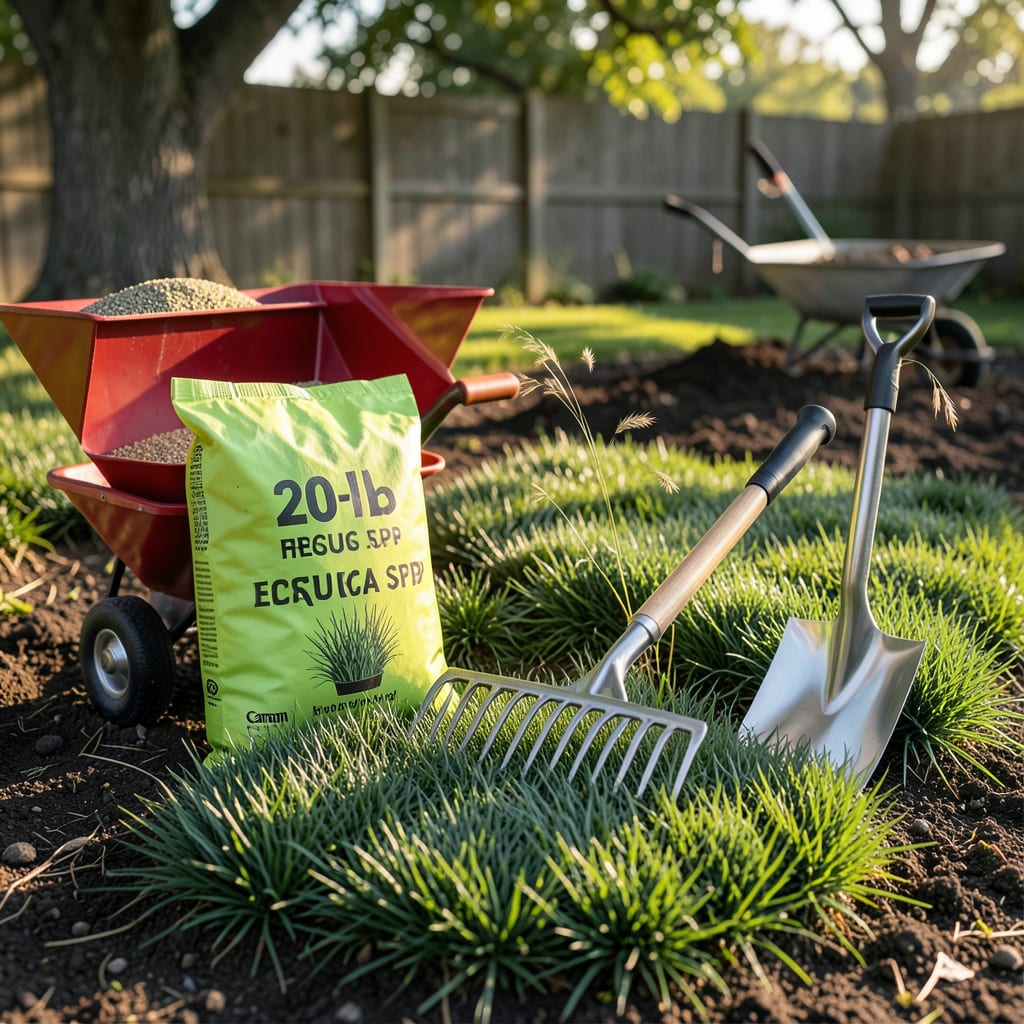
Timing your fescue planting in Alabama isn’t just about picking a date—it’s about giving your lawn the best possible start before winter hits. Plant too early, and summer’s lingering heat will fry those tender seedlings. Wait too long, and frost could stunt growth before roots even establish.
After testing different approaches in my own yard, I’ve found the sweet spot that works for Alabama’s climate. Whether you’re in Birmingham or Mobile, I’ll show you exactly when to plant for a thick, green lawn that thrives year-round. Let’s get it right the first time.
If you’ve ever struggled with patchy lawns or weak grass, you’re not alone—Alabama’s humid summers and unpredictable winters make timing critical. Fescue thrives when planted in early fall, giving roots time to establish before winter dormancy. I’ll break down the perfect window for your region.
Alabama spans USDA Zones 7b–9a, meaning planting dates shift slightly from Huntsville to Mobile. The key is soil temperature: aim for 50°F–65°F at a 2-inch depth. Too hot, and seeds dry out; too cold, and germination slows. Let’s pinpoint your ideal dates.
| Region | Ideal Months | Soil Temp Range | Notes |
|---|---|---|---|
| Northern AL (Huntsville, Birmingham) |
Sept 1–Oct 15 | 50°F–60°F | Plant 6 weeks before first frost (Nov 15). |
| Central AL (Montgomery, Tuscaloosa) |
Sept 15–Oct 30 | 55°F–65°F | Avoid late Oct—sudden cold snaps risk poor germination. |
| Southern AL (Mobile, Dothan) |
Oct 1–Nov 15 | 60°F–68°F | Longer window due to milder winters (first frost ~Dec 1). |
Pro Tip: Use a soil thermometer at 2″ depth—don’t guess!
Why does fall planting outperform spring? Alabama’s summer heat (often above 90°F) stresses young fescue, while fall offers cooler nights and consistent rainfall. Roots grow deep before winter, leading to a thicker, resilient lawn come spring.
If you miss the fall window, early spring (Feb–March) is your backup. But beware: late spring plantings compete with weed pressure and may require extra watering. I’ve seen spring-planted fescue struggle in Alabama’s May heat waves, so fall is always my top recommendation.
For coastal Alabama (Mobile, Gulf Shores), humidity and salt spray add challenges. Here, turf-type tall fescue varieties like ‘Titan’ or ‘Kentucky 31’ perform best. Inland, ‘Talladega’ or ‘Firecracker’ handle heat better. Always check with your local extension office for hyper-local advice.
Soil prep matters just as much as timing. Alabama’s clay-heavy soils need aeration and compost (2–3 inches worked in) before seeding. A pH test is non-negotiable—fescue prefers 5.5–6.5. I’ve fixed more lawns with lime applications (for acidic soil) than I can count.
Watering is where many go wrong. After seeding, light daily misting (5–10 minutes) keeps soil moist but not soggy. Once germinated (7–14 days), shift to deep watering (1 inch/week). Alabama’s afternoon thunderstorms can help, but don’t rely on them—use a rain gauge to track moisture.
Fertilizing? Hold off until 4–6 weeks post-germination. A starter fertilizer (16-4-8) at planting helps, but overdoing it invites fungal diseases. In Alabama’s humidity, brown patch is a real risk—space seeds properly and avoid evening watering to reduce spores.
Finally, mow high—3–4 inches—to shade out weeds and retain moisture. Alabama’s Bermudagrass and crabgrass are aggressive, so a thick fescue stand is your best defense. Overseeding thin spots in early September can revitalize an existing lawn without a full renovation.
Remember, fescue is a cool-season grass, so it’ll go dormant in summer heat. That’s normal! Focus on fall establishment and spring green-up, and you’ll have the lushest lawn on the block. Now grab your seeds—your perfect planting window is just around the corner! 🌱
Now that you know when to plant fescue in Alabama, let’s dive into the how. I’ve seen too many lawns fail because of skipped steps—like planting on unprepared soil or drowning seeds in water. Follow this foolproof process to ensure your fescue thrives from day one.
Start with a soil test—it’s the only way to know your pH and nutrient levels. Alabama’s clay-heavy soils often need lime to raise pH (aim for 5.5–6.5) and compost to improve drainage. Till in 2–3 inches of organic matter and level the area. Trust me, this step prevents water pooling and patchy growth later.
⚠️ Critical: Avoid herbicides for 6 weeks pre/post-planting—they’ll kill young fescue!
Watering is where most Alabamians go wrong. After seeding, your goal is constant moisture—think damp sponge, not swamp. Use a rain gauge to track 1 inch per week (including rainfall). Alabama’s afternoon showers can help, but don’t skip watering if rain is light. Morning irrigation (6–10 AM) minimizes fungal risks like brown patch.
Fertilizing too early is another common mistake. Wait until your fescue is 4–6 weeks old before applying a slow-release nitrogen fertilizer (e.g., 16-4-8). Overfeeding invites thatch buildup and disease. In Alabama’s humidity, I recommend half the label rate to start—you can always add more later if needed.
Weed control requires strategy. Pre-emergent herbicides will kill fescue seeds, so avoid them until your lawn is established (after 3 mowings). For existing weeds, hand-pull or spot-treat with vinegar-based sprays (avoid glyphosate). A thick, healthy fescue stand is your best defense—mow high (3–4 inches) to shade out competitors like crabgrass and clover.
Don’t forget overseeding if your lawn is thin. Early September is ideal for filling bare spots. Use half the seed rate (3–4 lbs/1,000 sq ft) and follow the same watering routine. For Bermudagrass lawns, overseeding with fescue in fall provides winter green without killing your warm-season base—just mow the Bermuda low (1 inch) before seeding.
Finally, monitor for pests like armyworms (common in late summer) and grubs. If you see brown patches that pull up easily, dig a small section—white grubs mean it’s time for beneficial nematodes or neem oil. Alabama’s mild winters can extend pest activity, so stay vigilant through November.
With these steps, you’ll have a lush, resilient fescue lawn that stays green through Alabama’s winters and bounces back each spring. Now grab your spreader—your best lawn is just a few weeks away! 🪴
When choosing a cool-season grass for Alabama, you’ve got options—but not all are created equal. I’ve tested fescue, ryegrass, and bluegrass in my own yard, and fescue consistently outperforms the others. Here’s why it’s the best choice for our climate.
Alabama’s hot summers and mild winters demand a grass that can handle both extremes. Fescue’s deep root system makes it more drought-tolerant than ryegrass and far more heat-resistant than bluegrass. Plus, it stays green year-round in most of the state.
| Grass Type | Heat Tolerance | Drought Resistance | Shade Tolerance | Best For |
|---|---|---|---|---|
| Tall Fescue | ⭐⭐⭐⭐ | ⭐⭐⭐⭐⭐ | ⭐⭐⭐⭐ | Full sun to partial shade |
| Perennial Ryegrass | ⭐⭐ | ⭐⭐ | ⭐⭐⭐ | Quick cover, overseeding |
| Kentucky Bluegrass | ⭐ | ⭐⭐ | ⭐⭐⭐⭐ | Cool, northern climates |
Pro Tip: Fescue’s deep roots (up to 3 feet!) help it survive Alabama’s summer droughts better than other cool-season grasses.
One of fescue’s biggest advantages is its versatility with overseeding. If you have a warm-season lawn (like Bermuda or Zoysia), you can overseed with fescue in fall for winter green. The fescue will die back in summer, letting your warm-season grass take over again.
Fescue also handles Alabama’s clay soils better than bluegrass, which prefers loamy, well-drained soil. While ryegrass germinates faster, it struggles in our summer heat and often dies out by July. Fescue, on the other hand, goes dormant but recovers when temps drop.
For shady areas, fescue is a clear winner. It thrives with just 4–6 hours of sun, while bluegrass and ryegrass need more light. This makes it ideal for Alabama yards with large trees or partial shade from buildings.
If you’re still unsure, consider a fescue-ryegrass blend. The ryegrass germinates quickly to stabilize the soil, while the fescue provides long-term durability. Just be sure to choose turf-type tall fescue varieties like ‘Titan’ or ‘Kentucky 31’ for best results in Alabama.
Planting after mid-November risks poor germination due to cold soil. Seeds may lie dormant until spring, leaving your lawn vulnerable to weeds and erosion. In Northern Alabama, aim to finish by October 15 for best results.
Yes, but early spring (February–March) is critical. Spring-planted fescue faces summer heat stress and weed competition. Fall remains ideal, but if spring is your only option, water deeply and avoid late plantings after April.
Test soil temperature at 2-inch depth—it should be 50°F–65°F. Also check pH (ideal: 5.5–6.5). Alabama’s clay soil often needs compost and aeration before planting. A simple soil thermometer and pH kit from your local extension office can save you headaches.
For Alabama’s climate, turf-type tall fescue varieties like ‘Titan’ or ‘Talladega’ handle heat best. Coastal areas should consider ‘Firecracker’ for salt tolerance. Always choose endophyte-enhanced seeds for better pest resistance.
Keep soil consistently moist (not soggy) with light daily watering (5–10 minutes, 2x/day) for the first 2–3 weeks. After germination, shift to 1 inch per week, including rainfall. Alabama’s afternoon storms help, but don’t skip watering if rain is light.
