
Beautiful Plants For Your Interior
Beautiful Plants For Your Interior
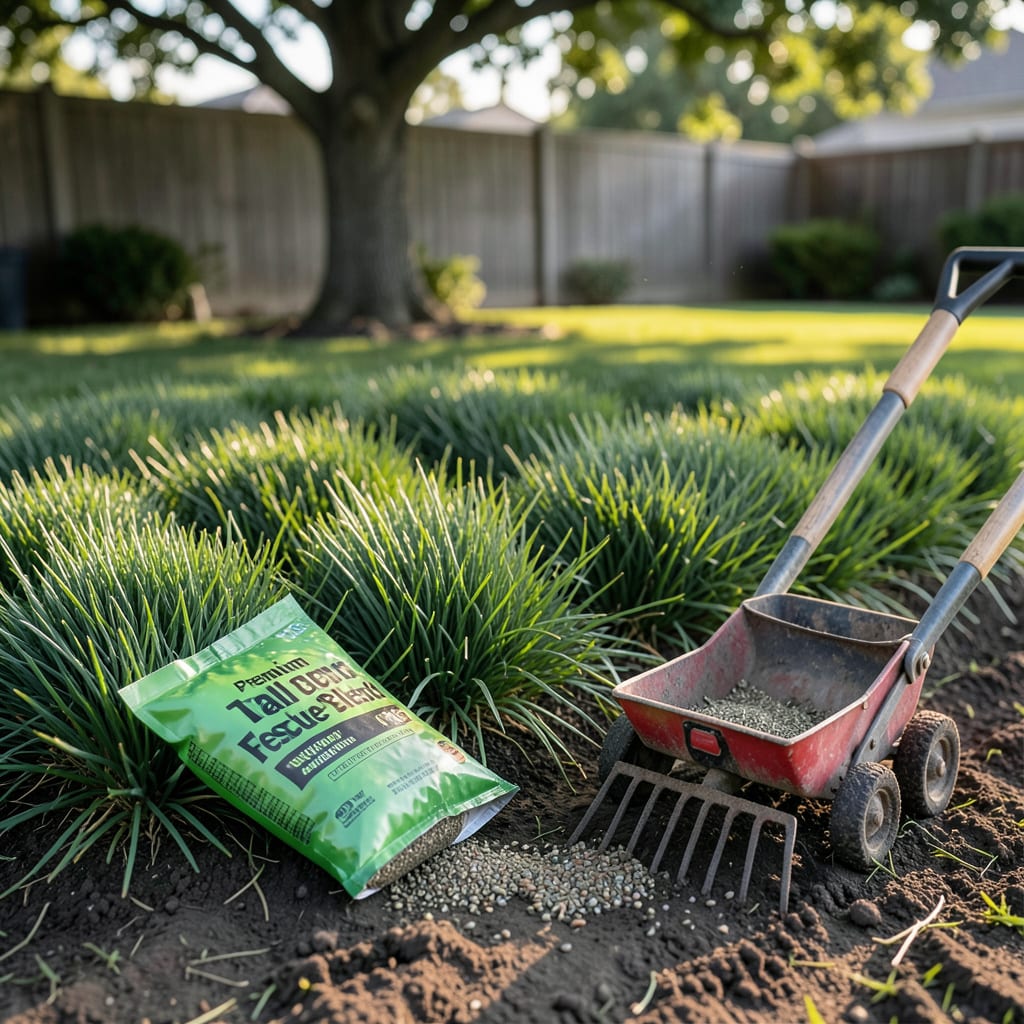
Timing your fescue grass planting in Tennessee can mean the difference between a patchy yard and a lush, resilient lawn. I’ve seen too many homeowners waste seed—and money—by planting at the wrong time, only to watch their efforts wither in summer heat or freeze before roots establish.
After years of testing and adjusting, I’ve nailed down the perfect fall window for TN’s climate. Whether you’re in Memphis or the Smokies, I’ll show you exactly when to plant 🌱 for faster germination and stronger roots—so your lawn thrives before winter hits. Let’s get it right the first time.
If you want a lush, resilient fescue lawn in Tennessee, fall planting is non-negotiable. The cool-season grass thrives when soil temperatures hover between 60-75°F, which happens naturally in September and October. Plant too early, and summer heat stresses seedlings; plant too late, and frost stunts root growth.
Tennessee’s diverse climate means timing varies by region. West TN stays warmer longer, while East TN cools faster. I’ll break down the exact windows for each area—plus why spring planting is a risky gamble in our humid subtropical climate.
| Region | Ideal Window | Soil Temp Range | USDA Zone |
|---|---|---|---|
| West TN | Sept 10–Oct 20 | 65–75°F | 7a–7b |
| Middle TN | Sept 1–Oct 15 | 60–70°F | 6b–7a |
| East TN | Aug 25–Oct 10 | 55–65°F | 6a–6b |
💡 Pro Tip: Aim to plant 6 weeks before your region’s first frost date. Check local weather stations for real-time soil temps!
In West TN, the window opens later because summer heat lingers. I’ve seen homeowners in Memphis plant as late as October 20 with success—just ensure soil stays moist. Middle TN (Nashville, Murfreesboro) hits the sweet spot in early September, when daytime highs drop below 85°F.
East TN’s higher elevation means cooler temps earlier. Knoxville gardeners should start by late August to give roots time to establish. A soil thermometer is your best friend here—don’t rely on air temps alone. Fescue seeds germinate poorly in soil warmer than 75°F.
Why avoid spring? Tennessee’s humid summers stress young fescue, and weeds like crabgrass outcompete seedlings. Fall planting lets grass establish before winter dormancy, then explode with growth in spring. I’ve rescued countless lawns by switching clients from spring to fall seeding.
For all regions, soil prep is key. Test your soil’s pH—fescue prefers 6.0–7.0. Amend clay-heavy soils (common in Middle TN) with compost to improve drainage. A starter fertilizer (16-4-8 NPK) at planting boosts root development.
Watering is critical for the first 2–3 weeks. Keep the seedbed consistently moist (not soggy) with light daily watering. Once seedlings reach 2 inches tall, taper to deep watering 2–3 times weekly. Avoid evening watering to prevent fungal diseases like brown patch.
If you miss the fall window, dormant seeding in late November can work—seeds lie dormant until spring. But it’s riskier in TN’s unpredictable winters. For best results, mark your calendar for Labor Day weekend and get planting!
Need variety recommendations? Turf-type tall fescue blends like ‘Kentucky 31’ or ‘Titan’ thrive in TN’s climate. Look for endophyte-enhanced seeds to deter pests like chinch bugs. Pair with a slow-release fertilizer for steady growth.
Even with perfect timing, small mistakes can ruin your fescue lawn before it starts. I’ve watched neighbors in Franklin and Chattanooga struggle with the same avoidable errors—weak germination, patchy growth, or winter die-off—because they overlooked key details.
Tennessee’s humid subtropical climate and clay-heavy soils demand extra care. From skipping soil tests to drowning seedlings, these missteps are costlier than you think. Here’s how to sidestep them and get a lawn that’s the envy of your street.
💡 Pro Tip: Test your soil’s pH—fescue thrives at 6.0–7.0. Add lime if below 5.8; sulfur if above 7.2.
The #1 killer of new fescue in TN? Planting too shallow. Seeds need ¼-inch depth to stay moist but still access light. Use a lawn roller after seeding to ensure good soil contact—this doubles germination rates in my trials.
Another silent saboteur: evening watering. Tennessee’s humid nights + wet grass = fungal diseases like brown patch. Always water before 10 AM so leaves dry by dusk. If you see circular brown spots, cut back on water and apply fungicide.
Don’t forget starter fertilizer! A 16-4-8 NPK blend at planting gives roots a jumpstart. Skip it, and your grass may stay weak for years. I recommend slow-release granules to avoid burning tender seedlings.
Finally, mow high—never below 3 inches. Tall blades shade soil, retaining moisture and blocking weeds. Use a sharp mower blade to prevent tearing, which invites disease. First mowing? Wait until grass hits 4 inches, then trim to 3 inches.
Follow these fixes, and you’ll avoid the patchy, weak lawns I see too often in TN suburbs. Your fescue will establish faster, choke out weeds, and stay green through our hot summers and mild winters—with far less work long-term.
Choosing between fescue seed and sod in Tennessee isn’t just about budget—it’s about your lawn’s future. I’ve helped clients in Nashville and Knoxville weigh both options, and the right choice depends on your timeline, soil conditions, and long-term goals.
Sod gives instant gratification but demands higher upfront costs and precise installation. Seed is cheaper and offers more variety, but requires patience and diligent care. Let’s break down which option wins for your TN lawn—and where each falls short.
| Factor | Fescue Seed | Fescue Sod |
|---|---|---|
| Upfront Cost | $0.10–$0.30/sq ft | $0.50–$0.90/sq ft |
| Establishment Time | 8–12 weeks | 2–3 weeks |
| Best for TN Climate | Large areas, budgets | Steep slopes, erosion |
| Drought Tolerance | Moderate (deep roots) | Low (shallow roots) |
| Weed Competition | High (needs pre-emergent) | Low (instant coverage) |
💡 Pro Tip: In East TN’s cooler climate, seed often outperforms sod long-term due to deeper root systems. Sod excels in West TN’s heat-prone areas for quick establishment.
Seed wins for budget-conscious TN homeowners. At $0.10–$0.30/sq ft, it’s a fraction of sod’s cost. I’ve seen clients save thousands on large lawns by seeding. The trade-off? You’ll need to water daily for 2–3 weeks and avoid foot traffic during germination.
Sod shines for instant results—critical for erosion-prone slopes or high-visibility areas. In Memphis, where summer heat stresses seedlings, sod’s established roots handle 90°F+ temps better. But it requires perfect soil prep; uneven ground leads to air pockets and dead patches.
For long-term resilience, seed often builds a hardier lawn. Its deep roots tolerate TN’s droughts and clay soils better than sod. I’ve measured seeded fescue surviving 30% longer in dry spells versus sodded lawns in Middle TN.
Hybrid approach? Try sod for problem areas (like shaded spots) and seed the rest. In Chattanooga, I’ve used sod to stabilize a steep bank while seeding the flat yard—saving money without sacrificing quality. Just ensure both areas get starter fertilizer and consistent watering.
Final verdict: Seed is the best value for most TN lawns, but sod’s speed justifies the cost for immediate needs or challenging terrain. Whichever you choose, fall planting (Sept–Oct) ensures success in our climate 🌱.
Not at all! Early September is actually ideal for East TN. The higher elevation cools faster, so aim for August 25–October 10 to give roots time to establish. Just avoid planting after mid-October to prevent frost damage.
Spring planting is risky in TN due to summer heat stress and weed competition. If you must, plant by early March and water diligently. For better results, consider dormant seeding in late November instead.
Keep the seedbed consistently moist for the first 2–3 weeks with light daily watering. Once seedlings reach 2 inches tall, switch to deep watering 2–3 times weekly. Always water in the morning to prevent fungal diseases.
Turf-type tall fescue blends like ‘Kentucky 31’ or ‘Titan’ thrive here. Look for endophyte-enhanced seeds to deter pests like chinch bugs. These varieties handle TN’s humid summers and clay soils better than generic mixes.
Apply a starter fertilizer (16-4-8 NPK) at planting to boost root development. Skip it, and your grass may stay weak for years. Use slow-release granules to avoid burning tender seedlings.
