
Beautiful Plants For Your Interior
Beautiful Plants For Your Interior
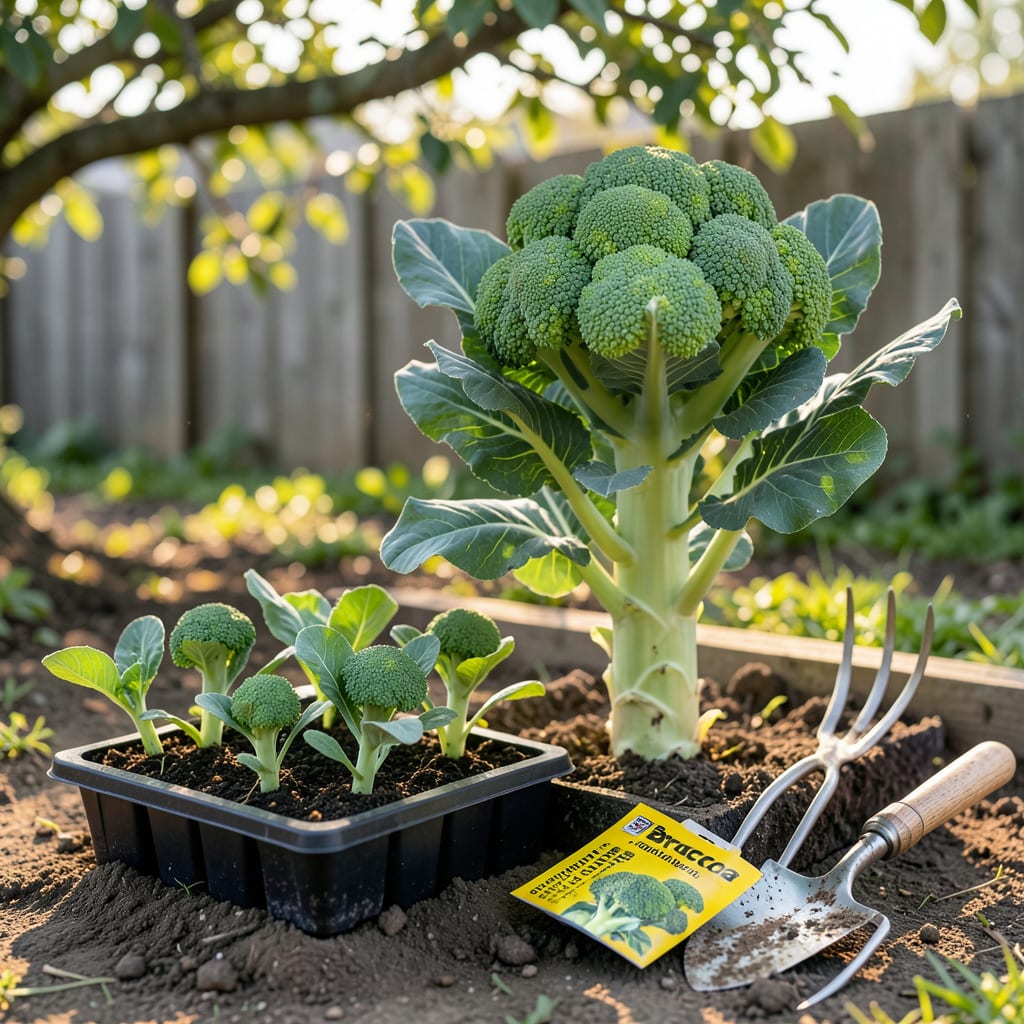
Louisiana’s fall gardening season is a race against the clock—plant too early, and summer heat fries your seedlings; wait too long, and frost steals your harvest. The difference between a thriving garden and a disappointing one often comes down to just 2-3 weeks of perfect timing.
After years of testing what works in Zone 9’s humid swings, I’ve nailed down the exact windows for everything from collards to carrots. Here’s how to sync your planting with Louisiana’s unpredictable falls—so you’re harvesting when others are just wishing they’d started sooner.
If you’re like me, you’ve probably watched summer gardens fade and wondered when to start your fall garden in Louisiana. The secret? Timing it just right before that first Zone 9 frost hits—usually mid-November to early December. Plant too soon, and summer heat will stress your seedlings. Wait too long, and frost will nip your harvest.
Louisiana’s unique climate means we can grow cool-season crops almost year-round if we play our cards right. I’ve found that late August through September is prime time for most fall veggies. But here’s the kicker: North Louisiana gardeners need to plant 2-3 weeks earlier than those in South Louisiana due to microclimate differences.
| Crop | North LA Planting | South LA Planting | Days to Harvest |
|---|---|---|---|
| Broccoli | Aug 15–Sep 1 | Sep 1–Sep 15 | 60–70 |
| Kale | Sep 1–Oct 1 | Sep 15–Oct 15 | 50–65 |
| Carrots | Aug 15–Sep 15 | Sep 1–Oct 1 | 70–80 |
| Collards | Sep 1–Oct 1 | Sep 15–Oct 15 | 75–85 |
| Spinach | Oct 1–Oct 15 | Oct 15–Nov 1 | 40–50 |
*Adjust dates based on your exact first frost date—check with your local LSU AgCenter for hyper-local advice.
I always recommend starting leafy greens like kale and collards from transplants rather than seeds—they’ll establish faster before cooler weather slows growth. For root crops like carrots and beets, direct sowing works best. Just be sure to keep soil moist during germination, which can take longer in fall’s cooling temps.
Here’s a pro tip: Use shade cloth (30–50%) if planting in late August. Those 100°F+ days can wilt young seedlings faster than you can say “gumbo.” I’ve lost count of how many broccoli starts I’ve saved by providing afternoon shade until temps drop below 90°F consistently.
Don’t forget about soil prep—this is where many Louisiana gardeners drop the ball. After summer’s heavy feeding, your soil needs a boost. I work in 2–3 inches of compost and a balanced fertilizer (like 10-10-10) about a week before planting. Our clay-heavy soils benefit from added organic matter to improve drainage before winter rains.
For succession planting, I stagger my lettuce and radish plantings every 2 weeks through October. This ensures a continuous harvest rather than a glut all at once. Radishes are particularly forgiving—they’ll grow in as little as 25 days if conditions are right. Try ‘Cherry Belle’ or ‘French Breakfast’ varieties for quick results.
Watch out for cabbage loopers and aphids—they love fall gardens as much as we do. I swear by neem oil sprays every 10 days as a preventive. And if you’re organic like me, floating row covers can protect young plants from both pests and unexpected cold snaps. Just
Finally, keep an eye on the 10-day forecast once November rolls around. If temps are predicted to dip below 32°F, have frost blankets or old sheets ready to toss over tender greens. Many cool-season crops can handle light frosts, but a hard freeze will turn your kale into mush overnight. I’ve learned this the hard way more times than I’d like to admit!
Want to extend your season even further? Consider cold frames or low tunnels. With these, I’ve harvested spinach and Swiss chard well into January in Baton Rouge. The key is venting on warm days to prevent overheating—our Louisiana winters can be fickle with 70°F days followed by 20°F nights!
I’ve seen too many Louisiana gardeners make the same fall planting mistakes year after year. The biggest one? Planting too late because we’re all still in summer mode. Remember, our first frost can sneak up as early as mid-November in North Louisiana. Your broccoli and kale need time to mature before growth slows.
Another common blunder is ignoring soil temperature. Just because air temps drop doesn’t mean your soil is cool enough. I use a soil thermometer to check—ideal germination for most fall crops is 50–70°F. Planting in 90°F+ soil often leads to poor germination or bolting.
The third mistake I see is overlooking summer pest carryover. Those aphids and cabbage loopers that plagued your summer garden? They’re still around and hungry. I lost an entire collard crop once by assuming pests would disappear with cooler weather. Now I start with neem oil sprays at planting and keep floating row covers handy.
Here’s a fix for all three issues: Succession planting with a calendar. I plant fast growers like radishes and lettuce every 2 weeks through October. This staggers harvests and fills gaps if one planting fails. For slow growers like carrots, I sow by September 15 at the latest to ensure they size up before winter.
Don’t forget about watering adjustments either. Fall’s lower evaporation rates mean you’ll water less, but deep watering is still crucial. I switch from daily summer watering to every 3–4 days, always checking soil moisture 2 inches deep. Overwatering in cooler weather leads to root rot faster than you’d think.
Finally, many gardeners miss the microclimate opportunities in their yards. That south-facing wall or paved driveway can create warmth pockets that extend your season by weeks. I’ve grown spinach all winter in a protected corner of my New Orleans garden. Use these spots for cold-sensitive crops like cilantro or late lettuce.
Want to avoid these mistakes entirely? Keep a garden journal with planting dates, pest notes, and harvest times. I’ve used mine for years to fine-tune my fall schedule. And always check the LSU AgCenter’s weekly updates—they’re gold for Louisiana-specific advice. 🌱
If you think fall gardening in Louisiana is just spring gardening with cooler weather, think again. The differences go far beyond temperature. In spring, we battle rising heat and drought conditions, while fall brings shorter daylight and cooler soil temps that change how plants grow.
One of the biggest surprises for new gardeners is how pest dynamics shift. Those squash bugs and tomato hornworms that dominated summer? They’re replaced by cabbage loopers and aphids that thrive in fall’s milder weather. I’ve found neem oil sprays work better in fall because pests aren’t as aggressive.
Here’s something I wish I’d known sooner: fall crops often taste sweeter than spring ones. Cool weather triggers plants to produce more sugars as a natural antifreeze. My fall-grown kale and carrots consistently taste better than spring harvests. This is especially true for broccoli and Brussels sprouts, which develop better flavor after light frosts.
Watering strategies need adjustment too. While spring gardens might need daily watering as temps rise, fall gardens thrive on deep but less frequent watering. I’ve cut my watering schedule in half come October, focusing on morning irrigation to prevent fungal issues from cooler nights. A soil moisture meter becomes your best friend in fall.
One crop that performs dramatically better in fall? Spinach. It bolts quickly in spring’s warming temps but thrives in fall’s cool stability. I’ve harvested spinach through December in protected beds, while spring plantings often turn bitter by May. Other winners include Swiss chard, cilantro, and parsley, which all prefer fall’s conditions.
Remember that soil prep differs between seasons too. After summer’s heavy feeding, fall gardens need extra organic matter to replenish nutrients. I add worm castings and bone meal to my beds before fall planting—something I skip in spring when soil is naturally richer from winter decomposition. 🌿
North Louisiana gardeners should plant 2-3 weeks earlier than those in South Louisiana. This adjustment accounts for the earlier first frost dates in northern regions, which can arrive 2-3 weeks sooner than in southern areas.
Use 30–50% shade cloth to shield young plants during the hottest part of the day. Afternoon shade is especially critical for crops like broccoli and kale when temperatures exceed 90°F. Remove the cloth once temps consistently drop below 85°F.
Not without preparation. Summer gardening depletes nutrients, so add 2–3 inches of compost and a balanced fertilizer (like 10-10-10). Test your soil pH—aim for 6.0–6.8—and amend as needed for optimal fall crop growth.
Cool weather enhances sweetness in kale, carrots, broccoli, and Brussels sprouts. These crops produce more sugars as a natural antifreeze, resulting in richer flavor. Spinach and Swiss chard also thrive in fall, avoiding the bitterness that can develop in spring’s warming temps.
Cut back to every 3–4 days in fall, compared to daily summer watering. Cooler temps reduce evaporation, but ensure deep watering to encourage root growth. Always check soil moisture 2 inches deep—overwatering in fall can lead to root rot.
