
Beautiful Plants For Your Interior
Beautiful Plants For Your Interior
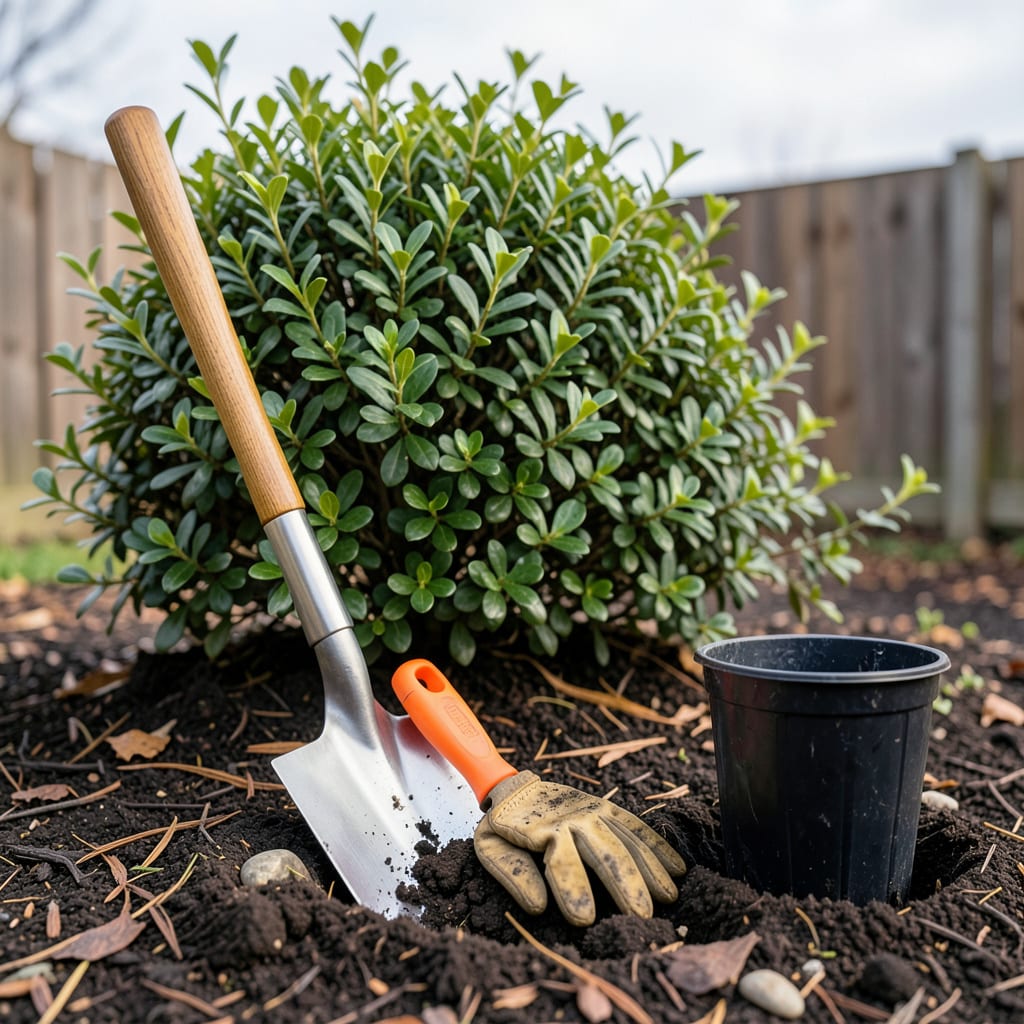
That perfect row of lush 🌲 Evergreens you’ve been dreaming about? Timing could make or break it. In Zone 7, planting just 2 weeks too early or late means the difference between a thriving landscape and struggling saplings.
I’ve seen gardeners waste years (and money) by ignoring the sweet spot between summer heat and winter frost. Let me show you exactly when to get those roots in the ground—and why fall planting often beats spring for long-term success.
If you’re planting evergreens in Zone 7, timing isn’t just important—it’s everything. I’ve seen too many gardeners lose young trees because they planted at the wrong time. The key is working with Zone 7’s climate, not against it. Let me break down the best windows.
In Zone 7, you’ve got two prime planting seasons: fall (September-November) and early spring (March-April). Fall is my top recommendation because the cooler temperatures and consistent rainfall help roots establish without heat stress. But spring can work too if you’re careful.
| Season | Best Months | Pros | Cons |
|---|---|---|---|
| Fall | September-November | Cooler temps, less watering, roots establish before winter | Limited nursery stock, must plant 6+ weeks before frost |
| Spring | March-April | More plant selection, warm soil encourages growth | Requires more watering, heat stress risk if planted late |
For Zone 7, soil temperature should be 50-60°F for optimal root growth.
For fall planting, aim to get your evergreens in the ground 6-8 weeks before the first frost (around November 1 in Zone 7). This gives roots time to establish before winter. I always recommend early September through mid-October as the sweet spot.
If you’re planting in spring, don’t wait too long. March through early April is ideal before temperatures climb. The challenge here is water management—you’ll need to be diligent about keeping the soil moist but not waterlogged as the tree establishes.
One critical factor many gardeners overlook is soil preparation. In Zone 7, our clay-heavy soils can be problematic. I always amend the planting hole with compost or pine bark fines to improve drainage. For evergreens, the hole should be twice as wide as the root ball but no deeper.
Here’s a pro tip: Water deeply immediately after planting, then add 2-3 inches of mulch (but keep it 3 inches away from the trunk to prevent rot). In fall, this helps insulate roots; in spring, it conserves moisture during those critical first months.
Remember that container-grown evergreens can be planted anytime during the growing season if you’re careful with watering. But for bare-root plants, stick to early spring when they’re dormant. I’ve had great success with both methods in my Zone 7 garden.
If you’re dealing with drought-prone areas of Zone 7, consider drought-tolerant varieties like ‘Green Giant’ Arborvitae or ‘Emerald Green’ Boxwood. These establish more easily in our sometimes-unpredictable climate. Just be sure to water consistently for the first year regardless of the variety.
Finally, don’t forget about post-planting care. In Zone 7, our hot summers and occasional winter dry spells mean you’ll need to monitor moisture levels. I check my evergreens weekly during their first year—even in winter if we’ve had less than an inch of rain in a month.
Whether you choose fall or spring planting, the key is giving your evergreens the best possible start. With proper timing and care, you’ll be rewarded with year-round greenery that thrives in Zone 7’s climate for decades to come. 🌲
Even with perfect timing, I’ve watched gardeners sabotage their evergreens with avoidable mistakes. In Zone 7, our clay soils and temperature swings make proper technique non-negotiable. Let’s look at the five most common errors I see—and how to fix them.
The first mistake is planting too deep. I can’t stress this enough: the root flare (where roots meet trunk) should be 1-2 inches above soil level. Burying it leads to rot and stunted growth. When in doubt, plant slightly high—you can always add more soil later.
Fix these and you’ll triple your success rate!
Another costly error is ignoring soil drainage. Zone 7’s heavy clay holds water like a sponge. I always amend planting holes with 50% native soil and 50% compost/pine fines. For poor drainage, consider a raised mound—just don’t create a “bathtub” effect.
Underwatering in year one is mistake number three. New evergreens need 10-15 gallons weekly for the first year. I use a soaker hose on low for 30-45 minutes to ensure deep penetration. Even drought-tolerant varieties need consistent moisture until established.
Mulch misuse comes in at number four. While 2-3 inches of mulch helps retain moisture, piling it against the trunk creates problems. Keep mulch 3 inches away from the base to prevent rot and rodent damage. I prefer shredded bark—it decomposes slowly and won’t compact.
The final mistake is choosing the wrong species. Not all evergreens thrive in Zone 7’s hot summers and variable winters. I recommend ‘Green Giant’ Arborvitae for fast growth or ‘Dwarf Alberta Spruce’ for small spaces. Always check the mature size—planting a 60-foot giant where a 10-foot tree belongs is a recipe for disappointment.
Bonus tip: Stake only when necessary. Over-staking weakens trunk development. If you must stake, use wide, flexible ties and remove them after one year. I’ve seen more trees damaged by improper staking than by wind in Zone 7’s moderate climate.
Remember, evergreens are a long-term investment. Avoiding these mistakes means your trees will establish faster, require less maintenance, and provide decades of beauty. Take the extra time to do it right—the payoff is worth it. 🌲
Not all evergreens thrive equally in Zone 7’s climate. After years of testing, I’ve found certain varieties consistently outperform others in our region’s hot summers and mild winters. The right choice depends on your goals: rapid privacy screening or minimal upkeep.
For fast-growing options, you can’t beat ‘Green Giant’ Arborvitae (3-5 feet per year) or ‘Leyland Cypress’ (4+ feet annually). These create living walls quickly but require more pruning. On the other hand, low-maintenance picks like ‘Emerald Green’ Boxwood or ‘Dwarf Alberta Spruce’ stay compact with minimal care.
| Variety | Growth Rate | Mature Size | Sun Needs | Special Features |
|---|---|---|---|---|
| Green Giant Arborvitae | Fast (3-5’/year) | 30-50′ tall, 12-20′ wide | Full sun | Deer resistant, disease resistant |
| Emerald Green Boxwood | Slow (3-6″/year) | 4-6′ tall, 3-4′ wide | Partial sun | Dwarf, low maintenance |
| Dwarf Alberta Spruce | Very slow (2-4″/year) | 6-8′ tall, 4-5′ wide | Full sun | Cold hardy, compact |
| Leyland Cypress | Very fast (4’+/year) | 40-60′ tall, 15-20′ wide | Full sun | Windbreak, rapid growth |
All varieties listed are drought-tolerant once established and Zone 7 hardy.
For drought-prone areas of Zone 7, I particularly recommend ‘Green Giant’ and ‘Leyland Cypress’. These handle our occasional dry spells better than most. If deer are a problem, ‘Green Giant’ and ‘Emerald Green’ Boxwood are your best bets—they’re naturally deer-resistant.
Consider your space constraints carefully. A ‘Leyland Cypress’ might seem perfect for quick privacy, but its 60-foot mature height can overwhelm small yards. For tight spaces, ‘Dwarf Alberta Spruce’ or ‘Emerald Green’ Boxwood provide evergreen structure without taking over.
Don’t forget about soil preferences. Most evergreens prefer slightly acidic soil (pH 5.5-6.5). In Zone 7’s often alkaline soils, I recommend testing and amending with sulfur or pine bark if needed. This simple step can dramatically improve your evergreens’ health and growth rate.
For year-round interest, mix different textures and colors. Pair the dark green ‘Green Giant’ with the golden ‘Gold Mop’ Cypress or the blue-green ‘Colorado Blue Spruce’. This creates visual appeal while maintaining the benefits of evergreen screening. 🌲
Fall is generally preferred because cooler temperatures and consistent rainfall help roots establish without heat stress. In Zone 7, September through November gives trees time to settle before winter dormancy. Spring works too, but requires more watering.
New evergreens need 10-15 gallons weekly for the first year. Use a soaker hose for 30-45 minutes to ensure deep watering. Even drought-tolerant varieties require consistent moisture during establishment.
It’s risky in Zone 7’s heat. If you must, choose container-grown plants and water daily for the first month. Early morning watering helps prevent stress. Fall or spring planting is always safer.
Use 2-3 inches of shredded bark, keeping it 3 inches away from the trunk. This prevents rot while retaining moisture. Pine bark fines work well too, as they slightly acidify the soil over time.
Amend the planting hole with 50% native soil and 50% compost/pine bark fines. Dig the hole twice as wide as the root ball for proper root spread. Avoid creating a “bathtub” effect that traps water.
