
Beautiful Plants For Your Interior
Beautiful Plants For Your Interior
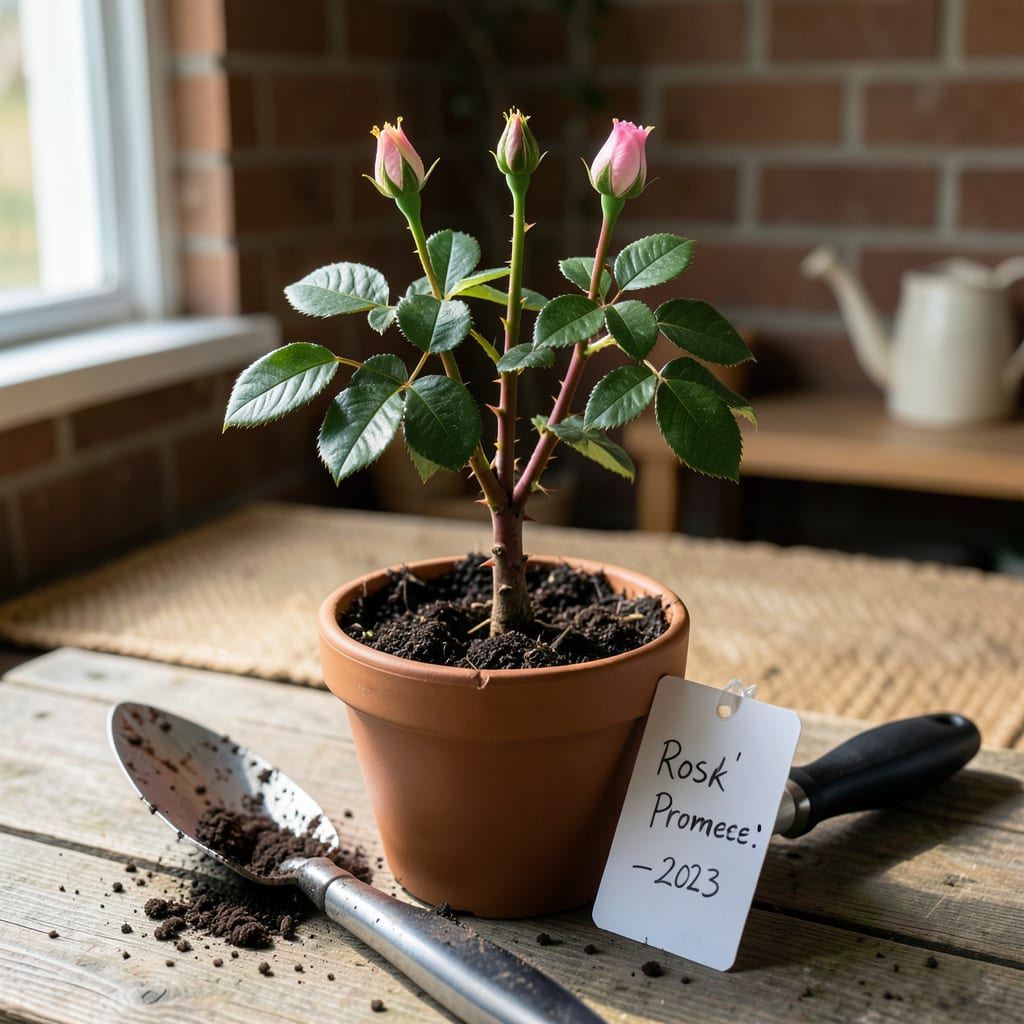
Timing isn’t just important—it’s everything when planting 🌱 Plant Cuttings in soil. Move them too soon, and they’ll struggle to root; wait too long, and you risk stunted growth or rot. The difference between thriving plants and disappointing flops often comes down to a few critical weeks.
After testing countless methods, I’ve nailed the ideal windows for different cutting types—whether you’re working with tender herbs or woody shrubs. You’ll learn exactly when to make the move (and how to spot the 3 key signs your cuttings are ready). Let’s turn those clippings into flourishing plants.
If you’ve ever wondered why some of your plant cuttings thrive while others struggle, timing is often the culprit. Planting cuttings in soil too early can lead to rot, while waiting too long may stunt growth. The ideal window depends on your plant type and local climate.
For most gardeners, late spring to early summer is prime time for transplanting cuttings. This period offers warm soil temperatures (above 55°F/13°C) and longer daylight hours, which encourage root development. But not all plants follow the same schedule—let’s break it down.
Pro Tip: In hot climates (Zones 9-11), shift planting to early spring or late fall to avoid heat stress. 🌡️
For softwood cuttings like basil or impatiens, I always aim for May or June when the parent plant is actively growing. These cuttings root quickly in warm, humid conditions, so a greenhouse or humidity dome can boost success rates.
Hardwood cuttings (think roses or fruit trees) prefer the opposite—cool, dormant periods. I plant these in November or December in milder zones, or store them in moist sand until spring in colder areas. The chill helps prevent rot while roots slowly form.
If you’re working with semi-hardwood cuttings (like rosemary or boxwood), late summer is your sweet spot. The wood is mature enough to resist rot but still flexible enough to root. Just avoid the hottest weeks—extreme heat can stress new roots.
Succulents are the outliers—they despise excess moisture. I wait until soil temps hit 70°F and ensure the cuttings have callused ends (dried for 1-3 days) before planting. A fast-draining mix (50% perlite) is non-negotiable here.
No matter the type, always check your local frost dates. Cuttings need 4-6 weeks of frost-free weather to establish roots. In Zone 6, for example, I stop planting outdoor cuttings by early September to avoid early frosts.
Still unsure? Here’s my foolproof test: If your cuttings have 1-2 inch roots and the outdoor nighttime temps stay above 50°F, it’s go time. Pair this with a shaded spot for the first week to reduce transplant shock. 🌱
Knowing exactly when to move cuttings from water or propagation medium to soil can feel like guesswork. But your plants actually send clear signals when they’re ready—if you know what to look for. I’ve ruined my share of cuttings by jumping the gun, so let’s avoid that together.
The golden rule: Roots should be 1-2 inches long for most plants, but that’s just the start. You’ll also want to see new leaf growth and a slight resistance when you tug gently. These signs mean your cutting has enough energy to handle the transition.
⚠️ Warning: If roots are brown or slimy, hold off—this signals rot, not readiness.
For herbaceous cuttings like mint or coleus, I watch for roots filling 1/3 of the jar in water. That’s my cue to pot them up. But with woody cuttings (rosemary, hydrangea), I wait until roots are at least 1 inch long and the stem’s base feels slightly swollen.
Here’s a trick: If your cutting has been in water for 4+ weeks with no root growth, it’s likely a dud. Toss it and try again. But if you see tiny root bumps (even ¼ inch), that’s progress! Give it another week before transplanting.
Environmental cues matter too. Outdoor cuttings need soil temps above 55°F and no frost risk for 6 weeks. Indoor cuttings? Ensure your space has bright, indirect light and 60-70°F temps to reduce shock.
Still nervous? Do the “paper towel test”: Wrap the roots in a damp paper towel for 24 hours. If they stay plump and white, they’re ready. If they turn limp or dark, give them more time in water. Remember, patience now means stronger plants later. 🌿
You’ve timed it perfectly—your cuttings have 1-2 inch roots and you’ve planted them in soil. Now what? The first 2 weeks are critical for survival. I’ve learned the hard way that even ideal timing won’t save cuttings if their aftercare is off. Let’s get this right.
The soil mix is your first line of defense. I use a blend of 50% potting soil, 30% perlite, and 20% coco coir for most cuttings. This combo holds just enough moisture while preventing rot. For succulents, bump the perlite to 60%—they hate wet feet.
⚠️ Critical Aftercare Mistakes
💡 Pro Tip: Mist leaves daily (not the soil) to maintain humidity without waterlogging. 🌿
For the first 7 days, I place cuttings in an east-facing window or under grow lights for 12-14 hours. Avoid south-facing windows—direct afternoon sun can scorch tender new roots. If leaves wilt slightly, that’s normal. If they turn yellow or crispy, move them to shadier spot immediately.
Watering routine is next: Bottom-water for the first week by placing pots in a tray with 1 inch of water for 20 minutes. This encourages roots to grow downward. After week 1, switch to top-watering every 3-5 days, but always check soil moisture first—stick your finger in!
Watch for transplant shock signs: drooping (normal for 2-3 days), yellowing lower leaves (overwatering), or black stems (rot). If you spot issues, act fast! For wilting, increase humidity with a pebble tray. For rot, repot in fresh, dry mix and trim affected roots with sterilized scissors. ✂️
Most cuttings need 1-2 inches of healthy white roots before transplanting. For succulents or woody plants, even ½ inch of roots can suffice if the stem is callused. Always check for firmness—mushy roots mean they’re not ready.
Use a light, fast-draining mix: 50% potting soil, 30% perlite, and 20% coco coir. For succulents, increase perlite to 60%. Avoid heavy garden soil—it retains too much moisture and can cause rot.
You can, but it’s riskier. Garden soil may contain pests or drain poorly. If planting outdoors, choose a shaded spot with amended soil and monitor moisture closely. Pots give you more control, especially for delicate cuttings.
Wilting is often due to transplant shock. Check for overwatering (yellow leaves) or underwatering (dry, crispy leaves). Move them to bright indirect light and maintain humidity with a plastic bag or dome for 1-2 weeks.
Rooting hormone can speed up root growth but isn’t always necessary. It’s most helpful for woody cuttings (roses, figs) or slow-rooting plants. For herbs and soft-stemmed plants, a good soil mix and proper moisture often suffice.
