
Beautiful Plants For Your Interior
Beautiful Plants For Your Interior
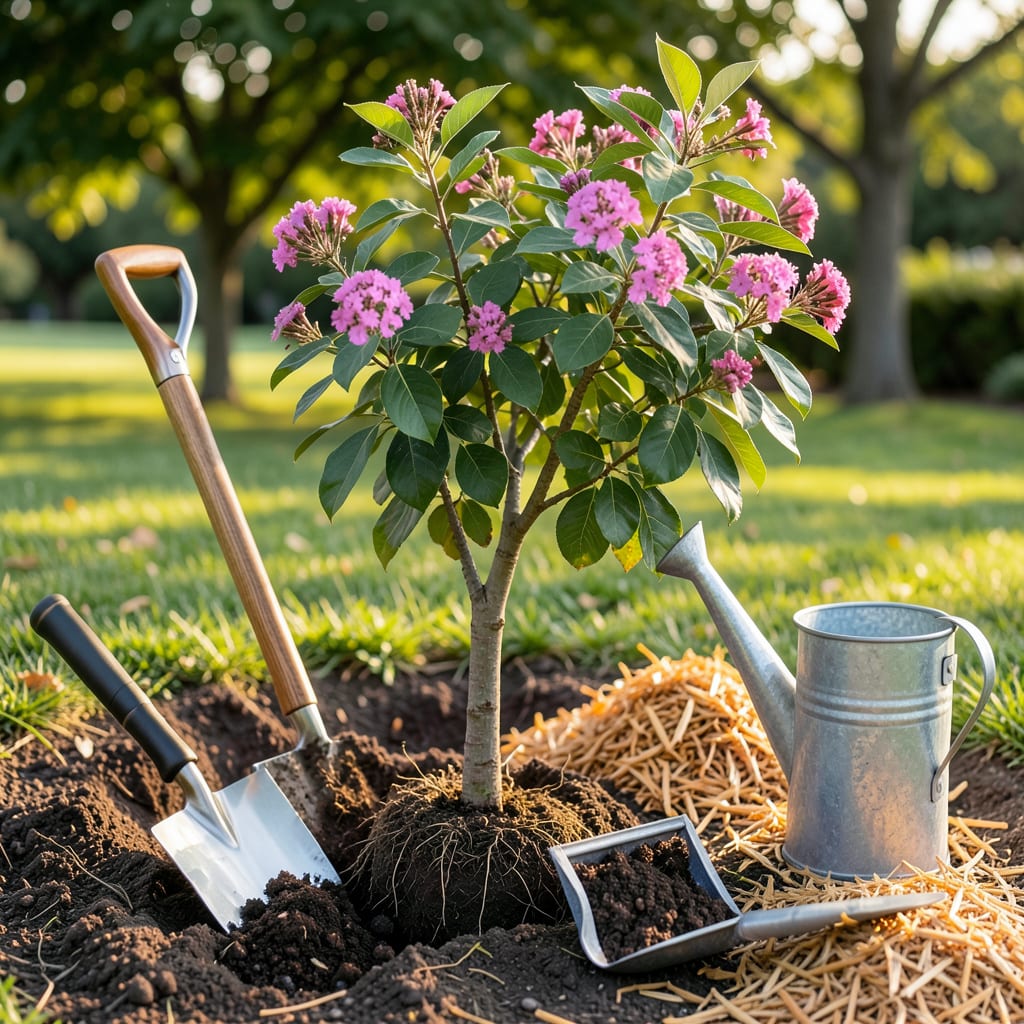
That stunning Crape Myrtle 🌳 in your neighbor’s yard didn’t get there by luck—it’s all about perfect timing. Plant too early in Zone 7, and late frosts might sabotage your efforts. Wait too long, and summer heat could stress your young tree before it establishes roots.
I’ve seen gardeners make these mistakes year after year, but here’s the good news: there are two ideal windows for planting in our zone. Whether you prefer spring’s gentle warmth or fall’s cool preparation period, I’ll show you exactly when to dig in for explosive color and thriving growth.
If you’re eager to add a crape myrtle to your Zone 7 landscape, timing is your secret weapon. These stunning trees thrive when planted at the right moment—not too early to face late frosts, and not too late to miss root establishment. I’ve found that spring and fall both work, but each season has unique advantages.
In Zone 7, our last frost date hovers around April 15, while the first frost typically arrives by October 31. This gives us two prime windows: early spring (March-April) and early fall (September-October). The key? Soil temperature—aim for 60°F or warmer for best results.
For spring planting, I recommend waiting until soil temps hit 60°F—usually late March to early April in Zone 7. This ensures roots grow quickly without frost risk. If you plant in fall, aim for September to early October. This gives roots 6-8 weeks to settle before winter.
Avoid summer planting—the heat stresses young trees, and they’ll need daily watering to survive. Similarly, late fall planting (after October 15) is risky. Roots won’t establish in time, leaving your tree vulnerable to winter heaving or frost damage.
If you’re torn between seasons, consider your goals. Want blooms this year? Plant in spring. Prioritizing long-term health? Fall is ideal. Either way, prepare the site by testing soil drainage and amending with compost. Crape myrtles love well-draining, slightly acidic soil (pH 6.0-6.5).
Don’t forget sunlight—these trees demand 6+ hours of direct sun daily. In Zone 7, a south-facing spot works best. If planting near a building, ensure it’s far enough to avoid root crowding as the tree matures. Standard varieties can reach 15-25 feet tall!
After planting, mulch heavily (2-3 inches of organic mulch) to retain moisture and regulate soil temp. Water deeply 2-3 times per week for the first month, then taper to weekly deep soaks. Avoid overhead watering—drip irrigation or a soaker hose works best to prevent fungal issues.
One final tip: If you’re planting multiple crape myrtles, space them 10-15 feet apart (depending on variety). This ensures good airflow, reduces disease risk, and gives each tree room to shine. In Zone 7, varieties like ‘Natchez’ (white) or ‘Tonto’ (red) thrive with minimal fuss.
Whether you choose spring or fall, the reward is worth it—months of vibrant blooms, striking bark, and a tree that becomes the focal point of your garden. Just remember: timing and preparation make all the difference in Zone 7! 🌳
Even with perfect timing, small errors can derail your crape myrtle’s success in Zone 7. I’ve watched gardeners plant these beauties with high hopes, only to see them struggle from preventable mistakes. The good news? Most issues are easy to fix if you know what to watch for.
One of the biggest offenders is planting too deep. When the root flare (where roots meet trunk) sits below soil level, it suffocates the tree. Always plant so the flare is 1-2 inches above ground. Another common misstep? Ignoring soil drainage—crape myrtles despise wet feet!
Never plant crape myrtles in low spots where water pools. Our clay-heavy Zone 7 soils often drain poorly—amend with compost and consider raised beds if needed.
Skipping the sun check is another costly error. These trees demand 6+ hours of direct sun daily. In Zone 7, a south or west-facing spot works best. Plant in shade, and you’ll get weak growth and sparse blooms. Use a sun calculator app to verify light conditions before digging.
Many gardeners also forget to mulch—or use the wrong type. Avoid volcanic rock or rubber mulch; opt for organic mulch (wood chips, pine straw) instead. Apply 2-3 inches in a donut shape (keep mulch 3 inches from trunk) to prevent rot and rodent damage.
Choosing the wrong variety for Zone 7 can lead to disappointment. Some crape myrtles aren’t cold-hardy enough for our winters. Stick with proven winners like ‘Natchez’ (white, 20ft), ‘Muskogee’ (lavender, 15ft), or ‘Tonto’ (red, 10ft). These thrive in our hot summers and mild winters without extra pampering.
Finally, over- or under-watering stresses new plantings. In Zone 7, water deeply 2x weekly for the first month, then taper to weekly. Use the finger test: stick your finger 2 inches into soil—if dry, it’s time to water. Drip irrigation works best to keep foliage dry and prevent fungal issues.
Remember: even perfectly timed planting fails without proper technique. Avoid these pitfalls, and your crape myrtle will reward you with decades of color, striking bark, and minimal maintenance. When in doubt, grab a soil test kit and double-check your planting depth—it’s the cheapest insurance for your tree’s future! 🌳
Not all crape myrtles thrive equally in Zone 7’s unique climate. Our hot summers and mild winters demand varieties that can handle both extremes. After testing dozens of cultivars, I’ve narrowed it down to the top performers that deliver stunning blooms, striking bark, and minimal fuss.
For dwarf options (6-10 feet), you can’t go wrong with ‘Pocomoke’ (deep pink) or ‘Centennial Spirit’ (true red). These compact beauties fit perfectly in small yards or containers. Need something taller? Semi-dwarf varieties like ‘Tonto’ (10-15 feet, red) or ‘Acoma’ (white, 10 feet) offer dramatic color without overwhelming your space.
If you’re looking for four-season interest, ‘Natchez’ is my top pick. Its cinnamon-colored bark peels beautifully in winter, while summer brings massive white flower clusters. For smaller spaces, ‘Tonto’ packs a punch with fire-engine red blooms and stunning orange-red fall foliage.
Color preferences matter too. Pink lovers should consider ‘Sioux’ or ‘Catawba’ (purple-pink). Purple enthusiasts will adore ‘Muskogee’‘s lavender hues. For white blooms, ‘Natchez’ and ‘Acoma’ are unbeatable choices that brighten moonlit gardens.
Remember that bloom time varies by variety. Early bloomers like ‘Near East’ (pink) start in June, while late-season stars like ‘Muskogee’ keep color going until September. Plant a mix for continuous color all summer long! 🌸
For urban gardens with limited space, consider the semi-dwarf ‘Centennial’ series. These compact trees (8-12 feet) offer full-sized blooms on smaller frames. They’re perfect for patio containers or small yards where space is at a premium.
Both seasons work well, but each has advantages. Spring planting (March-April) gives trees a full growing season to establish roots before winter. Fall planting (September-October) reduces heat stress and allows roots to develop during cooler months. Choose spring for faster blooms or fall for stronger root systems.
Use a soil thermometer to check temperatures at 4-inch depth. Ideal planting conditions begin when soil reaches 60°F. In Zone 7, this typically occurs in late March for spring planting. Avoid planting if soil is still cold or waterlogged from winter.
The most common error is planting too deep. The root flare (where roots meet trunk) should sit 1-2 inches above soil level. Burying it causes suffocation and rot. Always dig the hole twice as wide as the root ball but no deeper than its current container.
Water deeply 2-3 times weekly for the first month, then reduce to weekly deep soaks. Use the finger test: stick your finger 2 inches into soil—if dry, it’s time to water. Morning watering is best to reduce evaporation. Adjust during drought or heavy rain periods.
These trees require 6+ hours of direct sun daily for optimal blooming. Partial shade leads to weak growth and sparse flowers. In Zone 7, choose a south or west-facing location away from buildings or large trees that cast shade. Sunlight is critical for vibrant color and healthy development.
