
Beautiful Plants For Your Interior
Beautiful Plants For Your Interior
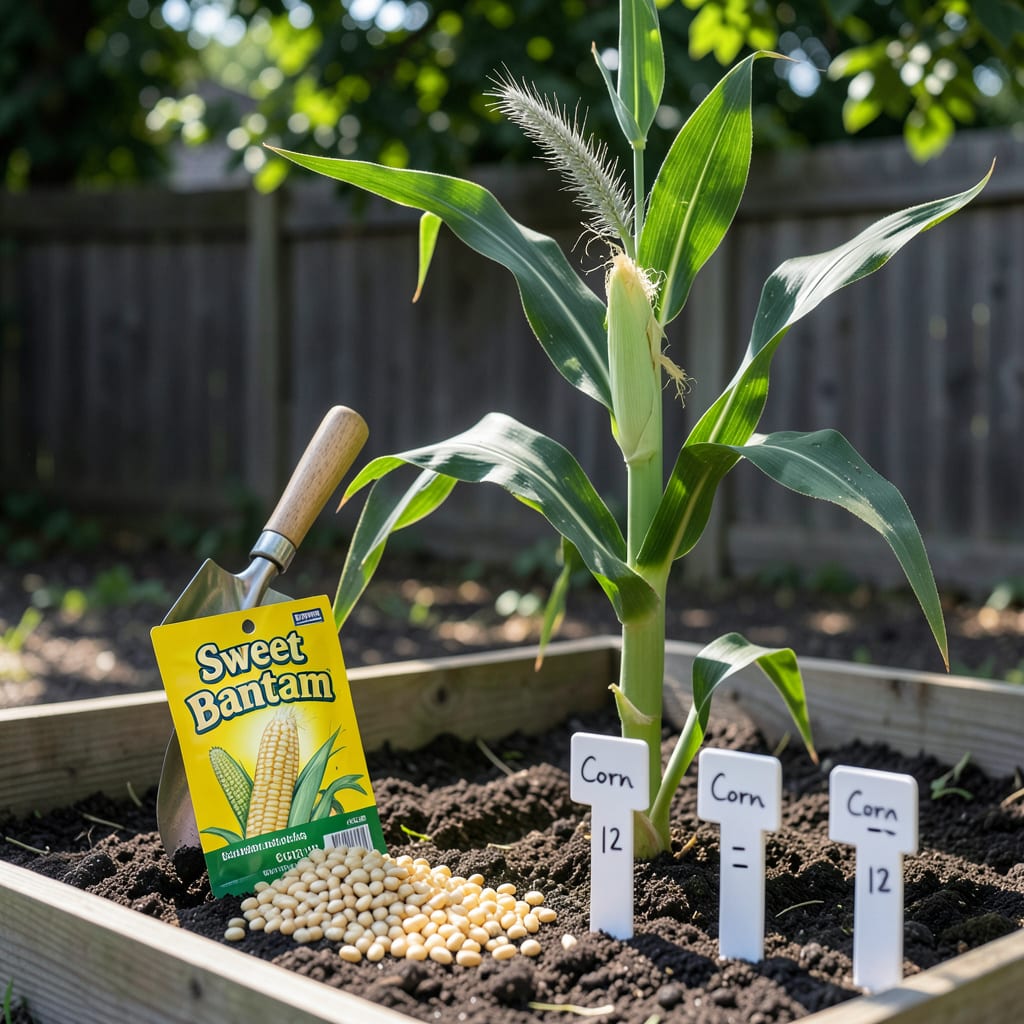
Timing your corn planting in Georgia can mean the difference between a bumper crop and a disappointing harvest. Plant too early, and late frosts might wipe out your seedlings. Wait too long, and the summer heat could stress your plants before they even get started.
After years of testing and talking with local farmers, I’ve nailed down the perfect window for Georgia’s climate. Whether you’re in the mountains or near the coast, I’ll show you exactly when to get those seeds in the ground for sweet, juicy 🌽 that thrives in our unique growing conditions.
Georgia’s diverse climate means your corn planting schedule depends heavily on where you live. In North Georgia (Zones 6a-7b), you’ll need to wait until after the last frost date—typically around April 10—while Central Georgia (Zone 8a) can start earlier.
The real secret? Soil temperature must hit at least 60°F for seeds to germinate properly. I always use a soil thermometer to check before planting—it’s saved me from many disappointing starts. Coastal areas often warm up faster than the mountains, so timing varies significantly.
| Region | USDA Zone | Ideal Planting Window | Last Frost Date | First Frost Date |
|---|---|---|---|---|
| North Georgia | 6a-7b | April 10 – May 15 | April 10 | November 1 |
| Central Georgia | 8a | March 20 – April 30 | March 20 | November 15 |
| South Georgia | 8b-9a | March 1 – April 15 | February 20 | December 1 |
| Coastal Georgia | 9a | February 15 – March 30 | February 10 | December 15 |
For early varieties (60-70 days to maturity), you can push your planting date about 2 weeks earlier than mid-season types. I love planting ‘Early Sunglow’ in late March for Central Georgia—it’s ready by early June before the worst heat hits.
If you’re in South Georgia, you’ve got a unique advantage: you can plant a second crop in late summer for a fall harvest. Aim for July 15-August 1 planting dates to avoid both the peak heat and early frosts.
Remember that microclimates matter—low-lying areas stay cooler, while south-facing slopes warm up faster. I’ve seen corn planted on the same day thrive in one part of a garden while struggling in another just 50 feet away.
For the most accurate timing, check with your local UGA Extension office. They maintain county-specific planting guides that account for recent weather patterns. Their soil temperature maps are particularly helpful for deciding when to plant.
If you’re planting sweet corn, consider succession planting every 2-3 weeks for continuous harvests. This works particularly well in Central Georgia where the growing season is long enough to support multiple plantings.
Don’t forget about soil preparation—corn thrives in well-draining soil with plenty of organic matter. I work in compost a month before planting and add a balanced fertilizer at planting time. This gives seeds the best start possible.
Finally, watch the 10-day forecast before planting. If nighttime temperatures are still dipping below 50°F, hold off. Corn seeds won’t germinate well in cold soil, and young plants are vulnerable to frost damage.
By matching your planting dates to your specific region and preparing your soil properly, you’ll be well on your way to the sweetest Georgia corn you’ve ever tasted. The difference between a good harvest and a great one often comes down to just a few days of perfect timing. 🌽
Planting corn in Georgia isn’t just about picking a date—it’s about understanding how our unique climate and conditions impact growth. I’ve learned the hard way that even perfect timing can fail if you ignore factors like soil moisture or pest pressure. Let’s break down what really matters.
First, soil temperature is non-negotiable. Corn seeds won’t germinate well below 60°F, and Georgia’s early spring can be unpredictable. I always check with a soil thermometer before planting—it’s saved me from many disappointing starts.
Another game-changer is daylight hours. Corn is a short-day plant, meaning it grows best when days are long. In Georgia, this means planting after March 15 in most regions to ensure plants get the 12+ hours of light they need during peak growth.
Don’t overlook variety selection—it directly affects timing. For example, ‘Silver Queen’ (85 days) does well in Central GA, while faster-maturing ‘Early Sunglow’ (65 days) is ideal for hotter areas like South GA. Always match the variety’s days to maturity with your frost-free window.
Pest pressure is a silent timing factor. Corn earworms are brutal in Georgia, especially in July and August. I avoid planting late-season corn unless I’m prepared to battle pests. Instead, I aim for a June harvest to dodge the worst of it.
Finally, succession planting can extend your harvest. Instead of planting all seeds at once, I sow a new batch every 2 weeks until early June. This ensures fresh corn all summer without overwhelming me with a single harvest glut.
Remember, Georgia’s microclimates vary wildly—coastal areas stay warmer than the mountains. When in doubt, consult your local UGA Extension office for hyper-local advice. They’ve got the data to fine-tune your timing! 🌱
Not all corn varieties thrive equally in Georgia’s diverse climate. I’ve tested dozens over the years and found that matching the right variety to your specific region makes all the difference. In North Georgia, you’ll want early-maturing types that beat the summer heat.
For Central Georgia, I recommend disease-resistant varieties that handle our humid summers. Down in South Georgia, heat-tolerant types are essential for surviving those scorching July temperatures. Let’s look at the best performers for each zone.
| Variety | Best Region | Days to Maturity | Key Features | Planting Window |
|---|---|---|---|---|
| Early Sunglow | All Regions | 65 days | Early, sweet, cold-tolerant | March 15 – April 15 |
| Peaches and Cream | North/Central | 80 days | Bicolor, disease-resistant | April 1 – May 1 |
| Silver Queen | Central/Coastal | 92 days | Classic white, heat-tolerant | March 20 – April 10 |
| Ambrosia | South Georgia | 75 days | Extra sweet, drought-resistant | March 1 – April 1 |
| Country Gentleman | Mountain Areas | 90 days | Shoepeg type, cool-weather | April 10 – May 10 |
For North Georgia gardens, I always recommend ‘Early Sunglow’ because it matures quickly before summer heat peaks. The bicolor kernels of ‘Peaches and Cream’ make it a favorite for Central Georgia growers looking for both sweetness and reliability.
If you’re in coastal areas, ‘Silver Queen’ remains a classic choice due to its heat tolerance and resistance to common diseases. For South Georgia’s intense summers, ‘Ambrosia’ stands out with its extra-sweet flavor and ability to handle drought conditions.
Don’t overlook heirloom varieties like ‘Country Gentleman’ for mountain regions. Its unique shoepeg kernels and cold tolerance make it perfect for higher elevations. I’ve found it produces well even in cooler microclimates where other varieties struggle.
Remember that variety selection affects your planting schedule. Early types can go in 2-3 weeks sooner than late-season varieties. Always check the days to maturity and count backward from your first expected frost date to plan your planting.
Corn seeds need soil temperatures of at least 60°F to germinate properly. In Georgia, this typically occurs between mid-March and early April in most regions. Use a soil thermometer to check—it’s the most reliable way to avoid planting too early.
Yes, but only in South Georgia! For a fall crop, plant between July 15-August 1 to avoid both peak summer heat and early frosts. Varieties like ‘Ambrosia’ (75 days) work well for this timing.
Plant seeds 1-1.5 inches deep and 12-18 inches apart in rows spaced 30-36 inches apart. This spacing ensures good pollination while allowing enough airflow to prevent disease. Crowded plants compete for nutrients and water.
Planting too early when soil is still cold! Many new gardeners rush to plant in February or early March, but cold soil leads to poor germination. Always wait until soil reaches 60°F—patience pays off with stronger plants.
Corn earworms are Georgia’s biggest pest threat. Use floating row covers during silking or apply organic sprays like neem oil. Planting early varieties that mature before July helps avoid the worst infestations.
