
Beautiful Plants For Your Interior
Beautiful Plants For Your Interior
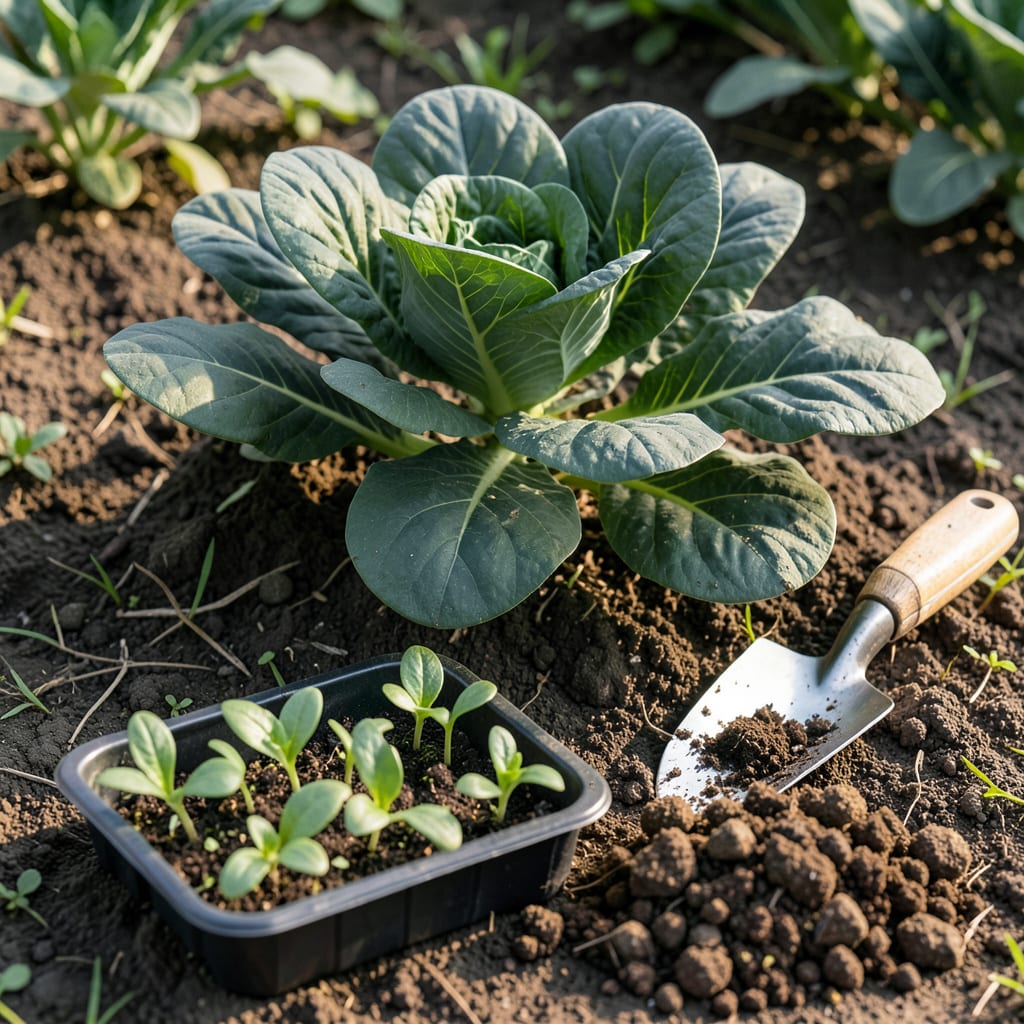
Nothing beats the taste of Collard Greens 🥬 after the first frost hits. That sweet, rich flavor is what fall gardening is all about.
Plant them in July or August in zone 6, and you’ll be harvesting tender leaves just as the weather cools. Let me show you how to time it perfectly for your best crop yet.

Timing is everything when growing collard greens for a fall harvest. These cold-hardy greens thrive when planted at the right moment, allowing them to mature before the first hard frost. I always aim to plant 6-8 weeks before my area’s first expected frost date.
Regional climate plays a huge role in determining the best planting window. Northern gardeners typically need to start earlier than those in warmer southern zones. Knowing your USDA hardiness zone helps pinpoint the ideal time to sow seeds or transplant seedlings.
| Region | USDA Zone | Planting Window | First Frost |
|---|---|---|---|
| Northern | 1-4 | July 1 – July 31 | Sept 15 – Oct 15 |
| Transitional | 5-7 | July 15 – Aug 15 | Oct 15 – Nov 1 |
| Southern | 8-11 | Aug 1 – Sept 1 | Nov 1 – Dec 1 |
In northern zones 1-4, I recommend planting collard greens in early to mid July. This gives the plants enough time to establish before the first frost, which usually arrives by mid-September. The cooler temperatures enhance the sweetness and tenderness of the leaves.
For transitional zones 5-7, the window extends from mid-July to mid-August. These areas experience a later first frost, typically between mid-October and early November. Planting during this period ensures your collards reach maturity just as the weather turns crisp.
Gardeners in southern zones 8-11 have the luxury of planting as late as early September. With first frosts arriving in November or even December, there’s ample time for collard greens to grow. I’ve found that these regions can sometimes enjoy a second harvest if the winter stays mild.
Always check your local frost dates for the most accurate timing. I use the Old Farmer’s Almanac or my county extension office as reliable resources. Planting too early in hot weather can cause bolting, while planting too late may not give your greens enough time to mature.
Soil temperature is another critical factor. Collard seeds germinate best when soil temps are between 60-75°F. In hotter southern climates, I sometimes start seeds indoors to avoid the peak summer heat, then transplant them outside when temperatures cool slightly.
Remember that collard greens are quite cold-hardy and can tolerate light frosts, which actually improve their flavor. However, a hard freeze (below 25°F) can damage or kill the plants. I always keep row covers handy to extend the growing season if an unexpected cold snap is forecasted.
For the best results, I prepare my garden beds with plenty of compost before planting. This ensures the soil is rich in nutrients, which collard greens need to produce those large, tender leaves. A well-draining soil also prevents waterlogging, which can lead to root rot in cooler, wetter fall weather.
Getting the sweetest collard greens for your fall harvest takes more than just good timing. I’ve learned that a few simple tricks can make all the difference in flavor and tenderness. Start by preparing your soil properly with plenty of organic matter.
Here’s how to ensure your collard greens thrive and deliver that rich, sweet taste we all love:
A light frost actually sweetens collard greens by converting starches to sugars. I always leave my plants in the ground until after the first light frost for the best flavor. Just be sure to harvest before a hard freeze hits.
Thin seedlings early to prevent overcrowding, which can lead to smaller, tougher leaves. I thin my plants to about 12 inches apart when they’re young, then adjust spacing as they grow. This gives each plant room to develop those large, tender leaves we love.
Finally, harvest the outer leaves first, allowing the center to keep growing. This way, you can enjoy multiple harvests from the same plant throughout the fall. I’ve found that regular harvesting encourages new growth and keeps the plant productive longer. 🌿
With these tips, your fall collard greens will be the sweetest and most tender they’ve ever been. Happy gardening!
Even experienced gardeners can make mistakes when planting collard greens for a fall harvest. I’ve learned that timing isn’t the only factor—avoiding common pitfalls ensures a successful crop of tender, flavorful leaves.
One of the biggest errors is planting too late. If seeds go in the ground less than 6-8 weeks before the first frost, your greens may not mature in time. Always double-check your local frost dates to stay ahead.
Planting too late risks immature plants before frost. Overcrowding leads to weak stems and poor air circulation. Ignoring pests like cabbage worms can destroy your crop. Always thin seedlings and monitor for pests regularly.
Another mistake is overcrowding seedlings. I space my collard greens at least 18-24 inches apart to allow proper air circulation and room to grow. Crowded plants compete for nutrients, leading to smaller, less flavorful leaves.
Neglecting soil preparation can also hinder growth. I always amend my soil with compost before planting to ensure it’s rich in organic matter. Collards thrive in well-draining soil with a pH between 6.0-7.5. A quick soil test can save you headaches later.
Finally, don’t forget about pest control. Cooler fall weather doesn’t stop pests like cabbage loopers or aphids. I use row covers early in the season to protect young plants and inspect leaves regularly for signs of damage.
By avoiding these common mistakes, you’ll set your fall collard greens up for success. A little planning and attention to detail go a long way in ensuring a bountiful harvest of sweet, tender leaves 🌱
Plant seeds 6-8 weeks before your first expected frost date. This gives plants enough time to mature while enjoying the sweetening effect of light frosts. Check local frost dates for precision.
Collard seeds germinate best when soil is between 60-75°F. In hot climates, start seeds indoors to avoid peak summer heat, then transplant when temperatures cool.
Yes! Transplants work well if you’re short on time. Set them out 4-5 weeks before first frost. Just ensure they’re hardened off properly to avoid transplant shock.
Use row covers or cloches to shield plants from unexpected cold snaps. Collards tolerate light frosts, but a hard freeze below 25°F can damage them.
