
Beautiful Plants For Your Interior
Beautiful Plants For Your Interior
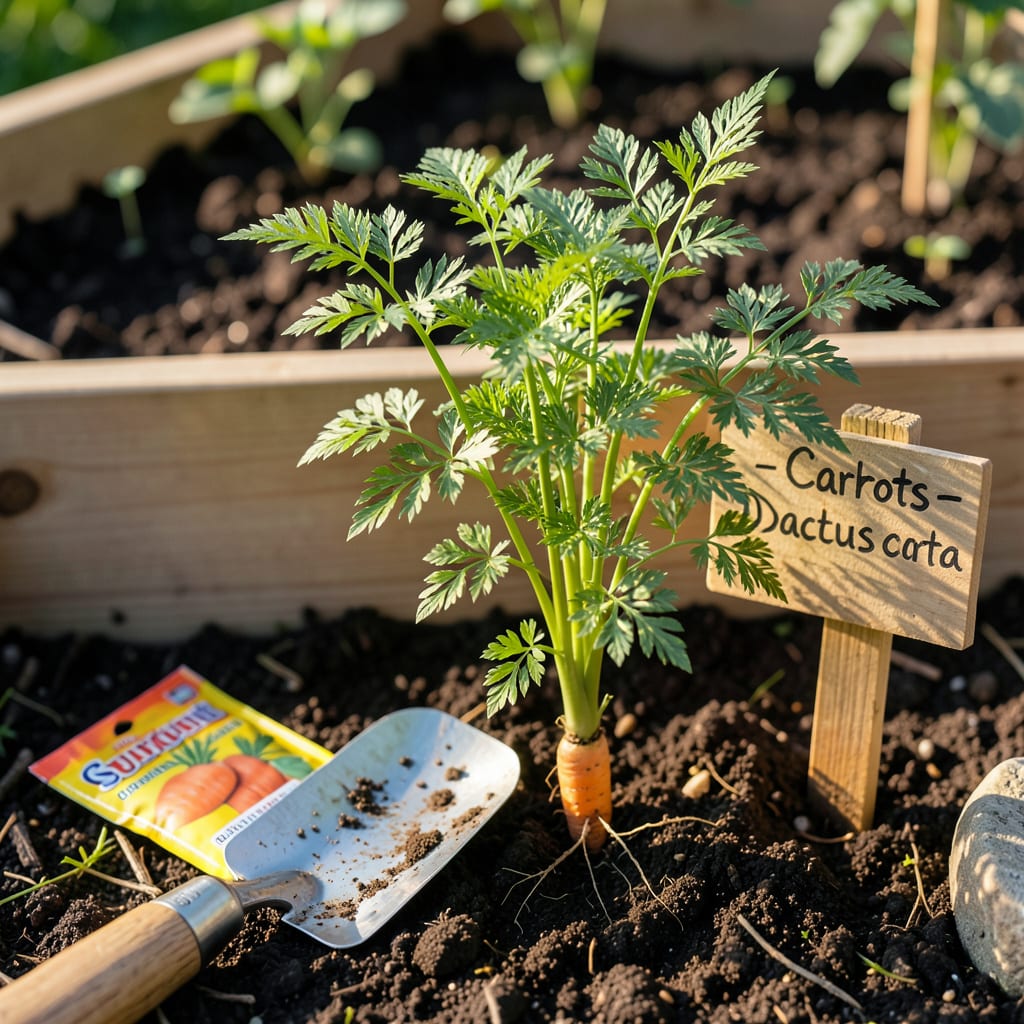
Ever pulled up a carrot only to find it tough, bitter, or stunted? In Zone 7, timing isn’t just important—it’s the difference between a bountiful harvest and a garden flop. The 🥕 you dream of starts with knowing exactly when to get those seeds in the ground.
Spring’s early warmth and fall’s cooling temps create two perfect windows—but miss them by weeks, and you’ll battle frost or heat stress. I’ll break down the ideal planting schedule, so you can grow sweet, crisp carrots without the guesswork. Let’s dig in.
If you’re growing carrots in Zone 7, timing is your secret weapon. Plant too early, and a late frost might stunt those tender seedlings. Wait too long, and summer’s scorching heat turns your sweet roots bitter. I’ve found the perfect windows for both spring and fall plantings.
In Zone 7, our last frost date is typically around April 15, and the first frost hits near October 31. These dates are your planting bookends. For spring, aim to sow 2-3 weeks before the last frost. For fall, count back 10-12 weeks from the first frost.
| Planting Window | Ideal Months | Soil Temp Range | Days to Maturity |
|---|---|---|---|
| Early Spring | February – March | 45°F – 75°F | 70-80 days |
| Late Spring | April – Early May | 50°F – 80°F | 60-70 days |
| Early Fall | August – Early September | 55°F – 75°F | 65-75 days |
| Late Fall | September – Early October | 50°F – 70°F | 75-85 days |
For spring planting, I always start my first batch in late February under row covers. This gives me a head start while protecting against unexpected cold snaps. By mid-March, I’m sowing directly in the garden without protection.
The fall window is just as crucial. I begin sowing in early August for a late fall harvest. The key here is succession planting—I’ll plant a new batch every 2-3 weeks until early October to extend my harvest season.
Remember, soil temperature is more important than air temperature. Carrot seeds germinate best when soil is between 50°F and 85°F. Use a soil thermometer to check—it’s a game-changer for Zone 7 gardeners.
For early spring plantings, I warm my soil by covering the bed with black plastic for a week before sowing. This simple trick can raise soil temps by 5-10°F, giving your seeds a better chance at quick germination.
In the fall season, watch for heatwaves. If temperatures spike above 85°F, your seeds may go dormant. I use shade cloth during these periods to keep soil temps in the ideal range for germination.
Don’t forget about variety selection—it makes a big difference in Zone 7. For spring, I love ‘Nantes’ (65 days) for its sweetness. For fall, ‘Danvers’ (75 days) handles cooler temps beautifully.
Finally, keep your soil consistently moist during germination—this is critical in Zone 7’s sometimes unpredictable weather. I use a soaker hose on a timer to maintain even moisture without washing away seeds.
By following these Zone 7-specific timing strategies, you’ll be pulling up crisp, sweet carrots from spring through fall. The key is working with your climate, not against it! 🥕
Even with perfect timing, Zone 7 carrot growing can go wrong fast. I’ve made (and learned from!) these three common mistakes that sabotage germination and flavor. Let’s save you the frustration I experienced in my early gardening years.
The biggest error I see is planting in compacted soil. Carrots need loose, friable earth to grow straight and long. In Zone 7’s clay-heavy areas, I’ve had carrots emerge forked and stunted—what a disappointment after weeks of waiting!
⚠️ WARNING: Compacted Soil Disaster
Planting in hard, unamended soil causes:
Zone 7 fix: Mix in 1 inch of sand or compost to top 12 inches of soil before planting.
Another carrot-killer is inconsistent moisture during germination. Zone 7’s spring can swing from drenching rains to dry spells in days. Carrot seeds need constant moisture to sprout—they’ll die if the soil surface dries out.
I lost an entire early April planting when I relied on rain alone. Now I use a soaker hose on a timer for 10 minutes daily until seedlings emerge. The key is even moisture, not soggy soil.
The third critical mistake is ignoring temperature extremes. Zone 7’s summer heatwaves (90°F+) can make carrot seeds go dormant. I’ve had seeds sit for 3 weeks without sprouting during July heat. The solution? Shade cloth over summer plantings.
For fall plantings, watch for unexpected warm spells. If soil temps rise above 85°F, germination stalls. I keep a soil thermometer handy—when temps hit 80°F, I drape 30% shade cloth over the bed until cooler weather returns.
Remember, carrot seeds are tiny but mighty—they need precision care in Zone 7’s variable climate. Avoid these mistakes, and you’ll be rewarded with straight, sweet roots every time. Your future self will thank you at harvest time! 🥕
Not all carrots thrive equally in Zone 7’s climate. After testing dozens of varieties, I’ve found the top performers for our region’s unique conditions. The right choice means sweeter roots, better germination, and fewer disappointments at harvest time.
Our spring season demands quick-maturing varieties that beat the heat, while fall plantings need cold-hardy types that sweeten with frost. I’ll share my favorite Zone 7-proven carrots, complete with their ideal planting windows and flavor profiles.
| Variety | Best Season | Days to Maturity | Flavor Profile | Zone 7 Perks |
|---|---|---|---|---|
| Nantes | Spring/Fall | 65 days | Sweet, crisp, low fiber | Tolerates cool springs and mild falls |
| Danvers | Fall/Winter | 75 days | Earthy, stores well | Handles light frosts, great for storage |
| Paris Market | Spring | 60 days | Buttery, round shape | Perfect for heavy clay soils in Zone 7 |
| Solar Yellow | Summer | 70 days | Mild, sweet, vibrant | Heat-tolerant for Zone 7 summers |
| Merida | Fall/Winter | 80 days | Spicy-sweet, deep orange | Cold-hardy, sweeter after frost |
For early spring plantings, I always reach for ‘Nantes’ or ‘Paris Market’. Their quick maturation (60-65 days) lets me harvest before summer heat sets in. The round ‘Paris Market’ is my secret weapon for Zone 7’s clay soils—no forking!
When summer temperatures climb, I switch to ‘Solar Yellow’. This variety handles Zone 7’s heatwaves better than most, staying sweet even when temps hit 90°F. Just be sure to provide afternoon shade during peak summer.
For fall and winter, ‘Danvers’ and ‘Merida’ are my go-to choices. Both tolerate light frosts and actually get sweeter as temperatures drop. I’ve harvested ‘Merida’ as late as December in Zone 7 with proper mulching.
Remember, variety selection impacts more than just flavor—it determines your success rate in Zone 7’s variable climate. Match the carrot to the season, and you’ll enjoy crisp, sweet roots year-round. 🥕
If soil temps are below 45°F, warm it up by covering the bed with black plastic for 1-2 weeks before planting. This can raise temperatures by 5-10°F, creating ideal conditions for germination.
Summer plantings are risky in Zone 7 due to heat. If attempting, choose heat-tolerant varieties like ‘Solar Yellow’ and use 30% shade cloth to keep soil temps below 85°F. Early morning watering is critical.
Sow seeds ¼ inch deep in well-loosened soil. Deeper planting may prevent germination, while shallower depths risk drying out. Lightly cover with vermiculite or fine compost to maintain moisture.
Prevent forking by ensuring loose, rock-free soil at least 12 inches deep. Mix in sand or aged compost before planting. Avoid fresh manure, which causes misshapen roots.
Use row covers or straw mulch when temps dip below 28°F. Many carrot varieties actually sweeten after light frosts. Harvest before hard freezes (below 20°F).
