
Beautiful Plants For Your Interior
Beautiful Plants For Your Interior
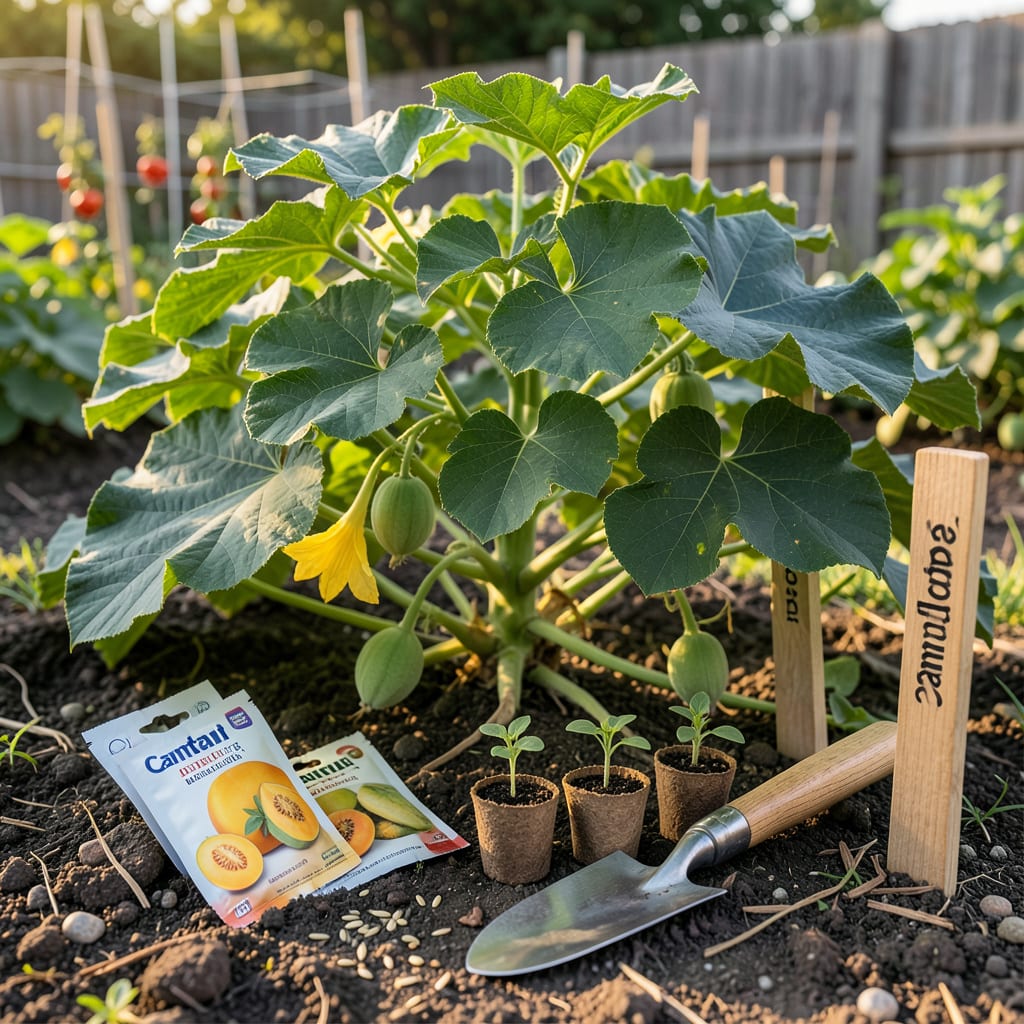
Nothing beats the taste of a homegrown 🍈 Cantaloupe—juicy, sweet, and bursting with flavor. But in Oklahoma, timing your planting wrong could mean the difference between a bumper crop and a disappointing harvest.
I’ve seen gardeners struggle when they plant too early or too late, missing that perfect window. The good news? With the right schedule for our Zone 7a-8a climate, you can grow melons that’ll make your neighbors jealous. Let’s break down exactly when to get those seeds in the ground.
If you’re dreaming of homegrown sweet cantaloupes in Oklahoma, timing your planting is critical. Our state’s USDA Zones 7a and 7b bring unique challenges—late frosts in the east and scorching heat in the panhandle. I’ve found the perfect window balances these extremes for juicy success.
The magic happens when soil temps hit 65°F—usually mid-April to early May for most of Oklahoma. But don’t just watch the calendar! I always check the 5-day forecast for frost warnings before planting. Remember, cantaloupes hate cold feet, so warm soil is non-negotiable.
| Region | Zone | Planting Window | Soil Temp | Notes |
|---|---|---|---|---|
| Eastern OK | 7a | April 15–May 1 | 65°F+ | Watch for late frosts; use row covers if needed |
| Central OK | 7a/7b | April 10–25 | 65°F+ | Ideal for most varieties; black plastic mulch helps |
| Western OK | 7b/8a | April 1–20 | 70°F+ | Earlier planting works; heat-tolerant varieties perform best |
| Panhandle | 7b | April 15–30 | 70°F+ | High winds; use windbreaks and drip irrigation |
Pro Tip: Use a soil thermometer at 4″ depth for accuracy. Cantaloupes planted in cool soil (below 60°F) often rot or fail to germinate. In hotter zones, afternoon shade cloth can prevent sun scald on developing fruit.
For early harvests, I start seeds indoors 3-4 weeks before my last frost date (around March 15–April 1). Use biodegradable pots to avoid disturbing roots during transplant. Just remember—cantaloupes despise root disturbance, so handle seedlings gently!
The panhandle’s windy conditions demand extra care. I recommend planting in hills (3-4 seeds per hill, thinned to 2 plants) and using windbreaks like burlap or planted corn rows. These vines need plenty of space—give them 3-4 feet between hills to sprawl.
If you’re in southeastern Oklahoma, our higher humidity means watching for powdery mildew. I combat this by spacing plants 4 feet apart for airflow and watering at the base only (never overhead). A morning watering schedule lets foliage dry quickly.
For fall planting, aim for July 15–August 1 to beat first frost. Choose fast-maturing varieties like ‘Minnesota Midget’ (70 days). I’ve had success with this timing in central OK, but western regions often get too hot for late-season cantaloupes.
Don’t forget soil prep! Cantaloupes thrive in loamy, well-draining soil with a pH of 6.0–6.8. I work in 2-3 inches of compost and a balanced fertilizer (10-10-10) before planting. For sandy western soils, adding organic matter helps retain moisture.
Monitor soil moisture closely after planting—1 inch of water weekly is ideal until vines establish. I use drip irrigation to keep foliage dry and prevent disease. Once flowers appear, I switch to deep watering (2 inches weekly) to support fruit development.
Remember, Oklahoma’s summer heat can stress plants. When temps exceed 90°F, I provide afternoon shade (30% shade cloth) and mulch heavily to cool roots. This simple step can mean the difference between bitter and sweet melons! 🌱
Even with perfect timing, Oklahoma gardeners can sabotage their cantaloupe harvest with common mistakes. After years of trial and error, I’ve identified three yield-killing errors that are easy to avoid once you know what to watch for. Let’s fix them before they ruin your melon patch!
The first blunder is ignoring soil prep. Cantaloupes demand loose, well-draining soil with a pH of 6.0-6.8. I’ve seen gardeners plant directly into Oklahoma’s heavy clay, only to watch their vines struggle. The fix? Work in 3 inches of compost and 1 inch of sand to improve drainage before planting.
The second mistake is misjudging heat tolerance. While cantaloupes love warmth, Oklahoma’s 90°F+ summers can stress plants. Young vines wilt without protection, and developing fruit gets sun scald. My solution? Use 30% shade cloth during peak afternoon heat (1-5 PM) and mulch heavily with straw to cool roots.
Many gardeners also overwater their cantaloupes, especially in eastern Oklahoma’s humidity. Soggy soil invites powdery mildew and reduces fruit sweetness. I water deeply but infrequently—1-2 inches weekly at the base, never overhead. A soaker hose or drip system keeps foliage dry while delivering moisture directly to roots.
Don’t forget about spacing issues! Crowded plants compete for nutrients and airflow, leading to smaller, less sweet melons. I plant vines 3-4 feet apart in rows 6 feet apart. For bush varieties, 2 feet between plants works. This spacing also helps prevent disease spread in our humid summers.
The final mistake is ignoring pollinators. Without bees, your cantaloupes won’t set fruit. I plant pollinator-friendly flowers like marigolds and sunflowers nearby. Avoid pesticides during flowering, and consider hand-pollinating if bee activity is low. Simply use a small paintbrush to transfer pollen between flowers in the morning.
By avoiding these common errors, you’ll set your Oklahoma cantaloupes up for success. Remember, the key is preparation—test your soil, protect from extremes, and give vines room to thrive. Your reward will be the sweetest, juiciest melons you’ve ever grown! 🌿
Not all cantaloupes thrive in Oklahoma’s sweltering summers and unpredictable weather. After testing dozens of varieties, I’ve found the top performers that handle our Zone 7 heat while delivering that perfect sweetness we all crave. Let’s look at the best picks for your OK garden.
The classic ‘Hale’s Best’ remains my go-to for reliable flavor. This heirloom handles Oklahoma’s heat waves beautifully, producing 3-4 lb melons in about 85 days. I love its old-fashioned sweetness that reminds me of childhood summers. It’s particularly successful in western OK’s drier climate.
| Variety | Days to Harvest | Size | Heat Tolerance | Best For |
|---|---|---|---|---|
| Hale’s Best | 85 days | 3-4 lbs | Excellent | Classic flavor, statewide success |
| Athena | 75 days | 4-5 lbs | Very Good | Disease-resistant, humid areas |
| Minnesota Midget | 70 days | 1-2 lbs | Good | Small spaces, fall planting |
| Ambrosia | 80 days | 4-6 lbs | Excellent | Extra sweet, panhandle favorite |
Pro Tip: For eastern OK’s humidity, choose disease-resistant varieties like Athena. In the panhandle, Ambrosia’s thick rind resists sun scald. Always plant in full sun (6-8+ hours daily) for maximum sweetness.
For humid eastern Oklahoma, I swear by ‘Athena’. This disease-resistant variety laughs at our summer humidity while producing 4-5 lb fruits in just 75 days. The flesh stays sweet even during rain spells, making it perfect for Tulsa and McAlester gardens.
Gardeners with limited space should try ‘Minnesota Midget’. These compact vines produce 1-2 lb melons in only 70 days. I’ve grown them successfully in containers on my Oklahoma City patio. They’re also ideal for fall planting since they mature quickly before frost.
The ‘Ambrosia’ variety has become my secret weapon for the panhandle’s tough conditions. Its thick rind protects against sun scald, and the extra-sweet orange flesh makes it worth the 80-day wait. I’ve found it performs best with drip irrigation to conserve water in our dry winds.
Remember, the sweetest cantaloupes come from healthy vines with consistent care. I feed my plants with a balanced fertilizer (10-10-10) at planting, then switch to low-nitrogen as fruits develop. This keeps vines productive without sacrificing that perfect melon sweetness we all love! 🌿
Cantaloupes need soil temperatures of at least 65°F to thrive. In Oklahoma, this typically occurs from mid-April to early May. Use a soil thermometer to check at 4-inch depth for accuracy.
Yes! Start seeds indoors 3-4 weeks before your last frost date (around March 15-April 1). Use biodegradable pots to avoid root disturbance when transplanting. Handle seedlings gently—they dislike root disruption.
When temperatures exceed 90°F, provide afternoon shade (30% shade cloth) and mulch heavily with straw. This keeps roots cool and prevents sun scald on developing fruit. Drip irrigation helps maintain consistent moisture.
Give vines 3-4 feet between hills and 6 feet between rows. For bush varieties, 2 feet between plants works. Proper spacing improves airflow, reducing disease risk in our humid climate.
‘Hale’s Best’ handles heat well, while ‘Athena’ resists disease in humid areas. For quick harvests, try ‘Minnesota Midget’ (70 days). These varieties consistently produce sweet, flavorful melons across Oklahoma.
