
Beautiful Plants For Your Interior
Beautiful Plants For Your Interior
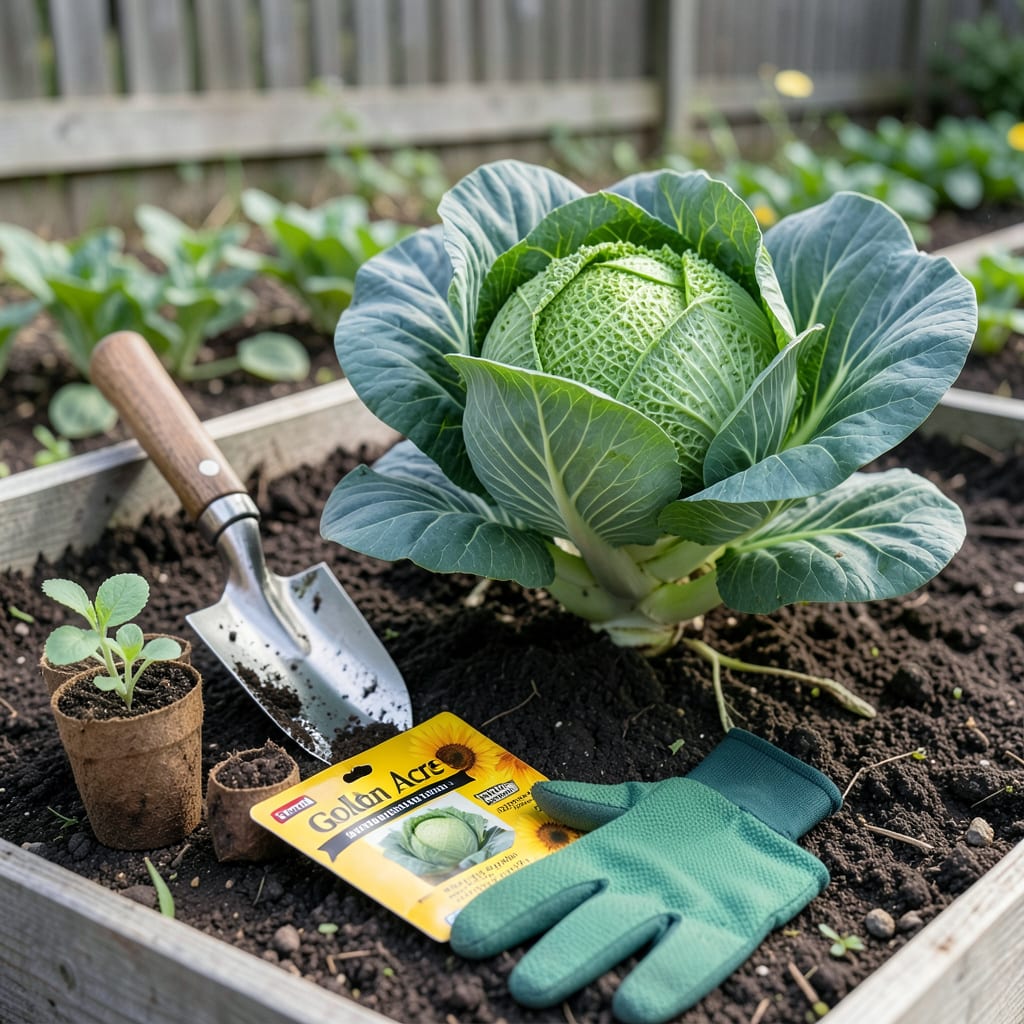
Ever pulled up stunted cabbage heads in Alabama’s summer heat and wondered what went wrong? You’re not alone—this cool-season crop demands precise timing to thrive in our unpredictable climate. The difference between crisp, sweet 🥬 and bitter, bolted disappointments often comes down to just a few weeks.
I’ve tested planting windows across Zone 8a, and the results might surprise you. Whether you’re in Birmingham or Mobile, I’ll show you exactly when to get those seeds in the ground for spring’s earliest harvests—or fall’s most reliable yields. No more guessing games.
If you’ve ever struggled with bitter cabbage heads or plants that bolt before forming, timing is your secret weapon. Alabama’s diverse climate—from the cool Mountain region to the humid Coastal Plain—means planting windows vary dramatically. I’ve found that even a two-week difference can make or break your harvest.
Spring plantings in Alabama are a race against the heat, while fall plantings leverage cooler temps for sweeter results. The key? Working backward from your region’s average frost dates. In Birmingham, that’s around March 15 for the last frost and November 15 for the first. Coastal gardeners near Mobile get an extra 2-3 weeks of growing time.
| Region | Spring Planting | Fall Planting | Last Frost | First Frost |
|---|---|---|---|---|
| Mountain (Zone 7a) | Feb 15–Mar 15 | Aug 15–Sep 1 | April 10 | Oct 20 |
| Piedmont (Zone 8a) | Jan 25–Feb 20 | Aug 1–Aug 25 | March 15 | November 15 |
| Coastal Plain (Zone 8b-9a) | Jan 15–Feb 10 | Jul 20–Aug 15 | March 1 | December 1 |
Pro Tip: For spring, plant 4-6 weeks before last frost indoors, then transplant. Fall cabbage thrives when started 10-12 weeks before first frost.
In the Mountain region, spring plantings should wrap up by mid-March to avoid late frosts, while fall seeds go in by early September. I’ve had the best luck with ‘Stonehead’ here—it handles unexpected cold snaps better than most. Piedmont gardeners can push spring plantings earlier, but watch for false springs that trick cabbage into bolting.
The Coastal Plain is where things get interesting. With milder winters, you can start seeds as early as mid-January, but summer humidity arrives fast. My go-to strategy? Succession planting every 2 weeks until March 1, then switching to fall-only plantings after July. This avoids the cabbage-wilting heat of June and July.
Soil temperature is your invisible guide. Cabbage seeds germinate best at 45–85°F, but young plants stall if soil dips below 40°F. I use a soil thermometer to check depths of 2–3 inches. If you’re planting transplants, harden them off for 5–7 days to prevent shock—Alabama’s temperature swings are notorious.
Fall plantings often outperform spring in Alabama because they mature in cooler, more stable conditions. Start seeds indoors in late June for a late-summer transplant, or direct-sow in early August. The goal? Harvest before hard freezes (below 28°F) but after heads have tightened up in crisp fall air.
Don’t overlook microclimates! A south-facing slope in Huntsville might be 5°F warmer than a low-lying Mobile garden. If you’re in a frost pocket, add 2–3 weeks of protection with row covers. And always—always—mulch with straw to regulate soil temps and moisture.
For those in urban areas like Birmingham or Montgomery, heat islands can be a challenge. I combat this by planting in partial afternoon shade and using drip irrigation to keep foliage dry. Remember: cabbage needs consistent moisture, but soggy roots invite disease. Aim for 1–1.5 inches per week, adjusting for rain.
If you’re new to Alabama gardening, start with fall cabbage. It’s more forgiving, with fewer pest pressures and steadier temperatures. Spring cabbage demands vigilance against flea beetles and cabbage loopers, which explode in populations as soon as temps hit 70°F. I’ll cover pest-specific strategies later, but timing your planting to avoid their peak activity is half the battle.
Even with perfect timing, Alabama gardeners often sabotage their cabbage crops without realizing it. The biggest culprit? Assuming what works in northern gardens applies here. Our humid subtropical climate creates unique challenges that demand different solutions. Let me save you from the heartbreak of ruined heads.
First up: planting too late in spring. I’ve seen countless gardeners lose entire crops because they followed generic advice to plant in April or May. By then, Alabama’s heat triggers premature bolting, turning potential heads into bitter flower stalks. The sweet spot? February through early March for most regions.
Quick Fix: For bolting plants, harvest immediately—even small heads beat none!
The second mistake is ignoring soil pH, and it’s more common than you’d think. Alabama’s red clay soils tend to be acidic, often testing below pH 6.0. Cabbage thrives in 6.0–6.8, so I always recommend a soil test before planting. A simple pelletized lime application can work wonders—just till it in 2–3 weeks before planting.
Third on the hit list: underestimating pests. Alabama’s warmth means cabbage loopers, aphids, and flea beetles are year-round threats. I learned the hard way that waiting until you see damage is too late. My solution? Floating row covers from day one, plus weekly neem oil sprays as temps rise. For organic gardeners, Bt (Bacillus thuringiensis) is your best friend against loopers.
Watering mistakes round out the top offenders. Many gardeners either drown their cabbage or let soil dry completely between waterings. The goal is consistent moisture—about 1–1.5 inches per week, delivered at soil level. Overhead watering in humid Alabama invites fungal diseases like black rot. I switched to drip irrigation and saw my success rate double.
Finally, don’t overlook variety selection. Planting a northern-adapted cabbage in Alabama is like wearing a winter coat in July—it just won’t work. Stick with heat-tolerant varieties like ‘Gonzo’, ‘Stonehead’, or ‘Cheers’. These handle our 80°F+ temps without bolting prematurely. I’ve found ‘Gonzo’ particularly reliable in the Coastal Plain, where humidity tests even the toughest plants.
If you’re guilty of any of these mistakes, don’t worry—you’re in good company. The key is adjusting your approach for Alabama’s specific conditions. Start with the soil test and pest prevention, then refine your timing. You’ll be rewarded with crisp, sweet heads that make store-bought cabbage taste like cardboard. Trust me, your coleslaw will thank you! 🥬
Not all cabbage can handle Alabama’s sweltering summers and humid falls. After testing dozens of varieties across the state, I’ve narrowed it down to the top performers that actually thrive here. The secret? Choosing cultivars bred for heat tolerance and disease resistance—not just what’s popular up north.
For spring plantings, I swear by ‘Stonehead’—it forms tight heads even when temps creep into the 70s. This hybrid handles Alabama’s temperature swings better than most, and it’s ready in just 65–70 days. If you’re in the Coastal Plain, try ‘Gonzo’, which laughs at our 85°F+ heatwaves and still produces sweet, crisp heads.
Heat-tolerant, 70 days, great for spring
Best for Coastal Plain, 80 days, bolt-resistant
Fall favorite, 75 days, sweet flavor
Heirloom, 63 days, conical heads
For fall plantings, ‘Cheers’ is my go-to—it matures in 75 days and develops extra-sweet flavor in cooler weather. If you love heirlooms, ‘Early Jersey Wakefield’ performs surprisingly well in Alabama’s fall, with its pointed heads that resist splitting. Just be sure to plant it by mid-August in most regions.
If pests are your nemesis, consider ‘Blue Dynasty’—it’s bred with resistance to thrips and fusarium wilt, two common Alabama problems. For container gardeners, ‘Golden Acre’ stays compact (just 12–15 inches wide) while still producing 6-inch heads. It’s perfect for patios in Birmingham or Montgomery.
Pro tip: Always check the “days to maturity” rating. In Alabama, I recommend sticking with varieties that mature in 70 days or less for spring, and 75–85 days for fall. This ensures you’ll harvest before summer heat or winter frosts ruin your crop. And don’t forget—succession planting every 2 weeks extends your harvest window!
Where to buy? I source my seeds from Southern Exposure Seed Exchange (they specialize in heat-tolerant varieties) or Territorial Seed Company. Both offer varieties tested in humid climates like ours. For transplants, check local nurseries in late January for spring starts or late July for fall. 🥬
For Birmingham (Zone 8a), wrap up spring plantings by early March to avoid bolting. Soil temps above 75°F trigger premature flowering. If you miss this window, switch to fall planting instead.
Summer plantings rarely succeed—cabbage thrives in 45–75°F. Instead, focus on fall plantings (July–August) for harvest before first frost. Use shade cloth if attempting late summer starts.
Start with floating row covers at planting to block cabbage loopers and aphids. Apply neem oil weekly as temps rise. For organic control, Bt (Bacillus thuringiensis) targets loopers effectively.
In the Coastal Plain, ‘Gonzo’ handles heat and humidity best. It resists bolting in 85°F+ temps and matures in 80 days. For fall, try ‘Cheers’ for sweeter flavor.
Aim for 1–1.5 inches weekly, delivered in morning to prevent fungal diseases. Drip irrigation works best—avoid wetting leaves. Adjust for rain; soggy soil causes root rot.
