
Beautiful Plants For Your Interior
Beautiful Plants For Your Interior
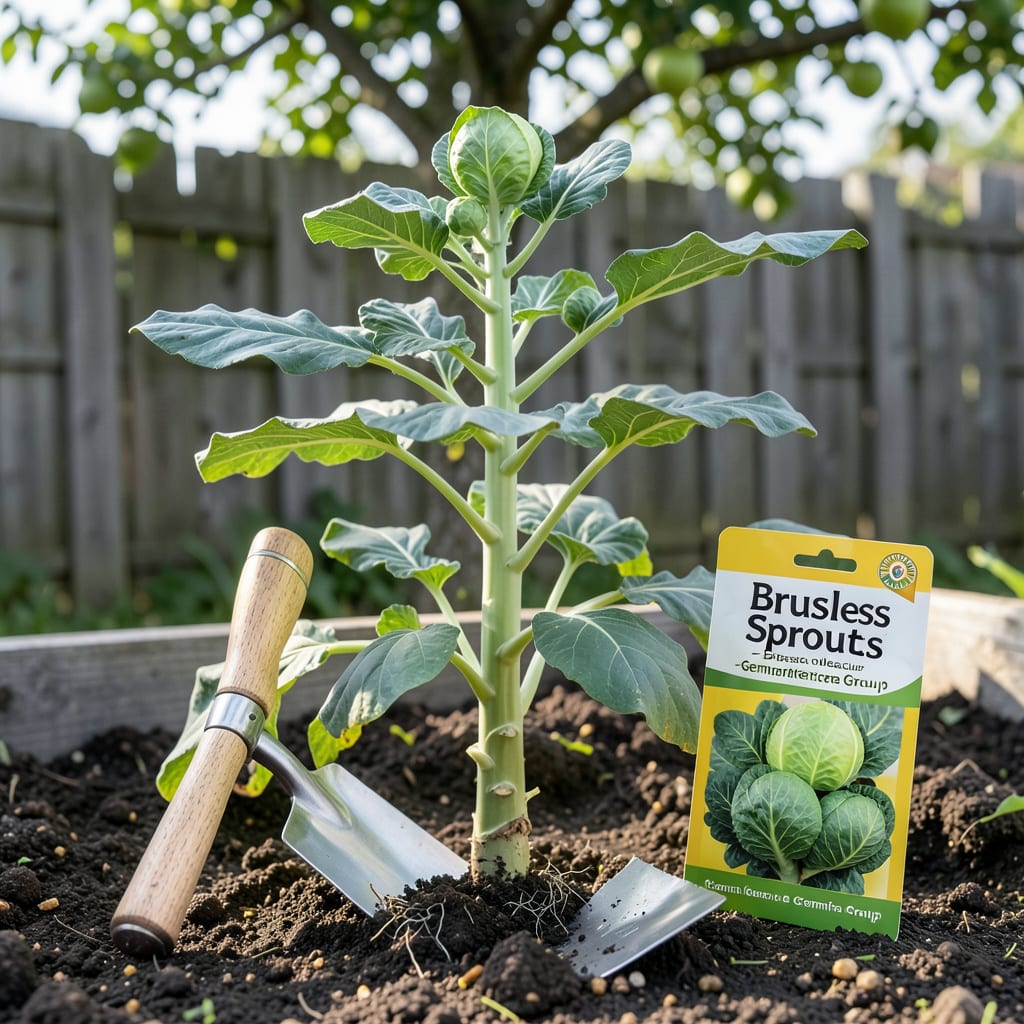
Timing your Brussels sprouts planting in Texas can mean the difference between a thriving harvest and a disappointing flop. The Lone Star State’s unpredictable climate—with its scorching summers and mild winters—demands precision. Plant too late, and your 🥦 sprouts will wilt in the heat; start too early, and frost might ruin your crop.
After years of testing and tweaking, I’ve nailed down the best windows for Texas gardeners. Whether you’re in the Panhandle or the Gulf Coast, I’ll show you exactly when to plant for sweet, tender sprouts. Let’s get your garden on track for a bountiful yield.
Texas gardeners face a unique challenge with Brussels sprouts: the scorching summers and mild winters demand precise timing. While most cool-season crops thrive in spring or fall, Brussels sprouts actually prefer a fall harvest in Texas. The key is avoiding the summer heat, which turns sprouts bitter.
I’ve found that late summer to early fall planting works best for most regions, but timing shifts slightly depending on your USDA zone. North Texas gardeners can start earlier than those along the Gulf Coast, where heat lingers. Let’s break it down by region so you can plan your planting schedule with confidence.
For spring plantings, timing becomes trickier. In North Texas, you can sow seeds indoors in late January and transplant outdoors in March. However, Central and South Texas gardeners often skip spring plantings entirely—the heat arrives too quickly, causing bolting before sprouts mature.
If you’re determined to try a spring harvest, choose fast-maturing varieties like ‘Oliver’ (90 days) or ‘Jade Cross’ (85 days). These can sometimes beat the heat if planted by mid-February in cooler zones. Just be prepared to provide afternoon shade as temperatures climb.
Soil temperature matters too. Brussels sprouts germinate best when soil is 60–65°F. In Texas, this often means starting seeds indoors or using shade cloth for direct sowing. I recommend using a soil thermometer to monitor conditions—it’s a game-changer for timing your planting.
Don’t forget about frost dates! In North Texas, the first frost typically hits around November 15, while the Gulf Coast might not see frost until December. Aim to plant so your sprouts mature before hard freezes (below 28°F), as prolonged cold can damage the plants.
For those in Zone 9b (like Houston or San Antonio), you’ve got more flexibility. I’ve had success with succession planting—sowing a new batch every 2–3 weeks from September through November. This staggers your harvest and extends your growing season well into winter.
If you’re in West Texas (Zones 7b-8a), watch for late spring freezes that can surprise you. I lost an entire crop one year to a March frost—now I always keep frost blankets handy. Row covers can add 4–6°F of protection, which might save your plants during unexpected cold snaps.
Remember, Brussels sprouts are slow growers, taking 90–120 days to mature. Plan backward from your region’s first frost date to determine planting time. For example, if your first frost is November 15, count back 100 days to plant around August 10. This ensures your sprouts reach peak flavor before cold weather sets in.
Growing Brussels sprouts in Texas isn’t just about timing—it’s about adapting to our unique climate. The clay-heavy soil and temperature swings can trip up even experienced gardeners. I’ve learned the hard way that these plants need extra TLC to thrive in our conditions.
First, let’s talk soil. Texas clay can suffocate roots and trap water, leading to rot. I always amend my beds with 3–4 inches of compost and a handful of sand or perlite to improve drainage. A soil test is worth its weight in gold—aim for a pH between 6.0–7.5 for optimal growth.
⚠️ Texas Heat Warning
Brussels sprouts hate hot weather. If daytime temps exceed 80°F, your plants may bolt or produce loose, bitter sprouts. Use 30% shade cloth for late summer plantings and keep soil consistently moist to cool roots.
Watering is another critical factor. Texas droughts can stress plants, but overwatering is just as dangerous. I use a drip irrigation system on a timer—1 inch of water per week, split into 2–3 sessions to prevent runoff. Mulch with straw or shredded leaves to retain moisture and keep roots cool.
Fertilizing requires a light touch. Too much nitrogen leads to leafy growth but few sprouts. I apply a balanced 10-10-10 fertilizer at planting, then side-dress with compost tea every 4–6 weeks. Stop fertilizing 3 weeks before harvest to avoid nitrates concentrating in the sprouts.
Pests love Brussels sprouts as much as we do. Watch for cabbage worms and aphids—I use neem oil sprays weekly as a preventive. For severe infestations, BT (Bacillus thuringiensis) works wonders without harming beneficial insects. Always spray in the early morning to avoid harming bees.
Finally, don’t underestimate the power of companion planting. I interplant Brussels sprouts with dill, mint, or thyme to repel pests naturally. Avoid planting near strawberries or tomatoes, as they compete for nutrients and attract similar pests. With these tips, you’ll be harvesting sweet, tender sprouts in no time! 🌱
Not all Brussels sprouts varieties handle Texas heat equally. After testing dozens over the years, I’ve found that heat-tolerant hybrids consistently outperform heirlooms in our unpredictable climate. The key is choosing varieties with shorter maturity times and better heat resistance to avoid bitter, loose sprouts.
For Texas gardeners, I recommend focusing on early-maturing varieties (85–100 days) that can dodge our summer scorchers. Varieties like ‘Diablo’ and ‘Long Island Improved’ have become my go-tos—they hold up better in late-season warmth and still produce tight, sweet sprouts. Let’s compare the top performers for Texas conditions.
For Gulf Coast gardeners, ‘Diablo’ is my top pick—it handles humidity and heat better than most. I’ve harvested sweet sprouts from this variety well into December even when temps stayed in the 70s. The plants grow 2–3 feet tall and produce 1–2 inch sprouts that stay firm in warm weather.
If you’re in North Texas attempting a spring planting, ‘Oliver’ is your best bet. Its 85-day maturity means you can harvest before summer heat arrives. I start seeds indoors in late January and transplant in March—just be ready with shade cloth if April temps spike unexpectedly.
For container gardeners, ‘Prince Marvel’ is a game-changer. This compact variety reaches only 18–24 inches tall but produces abundant 1-inch sprouts. I grow it in 5-gallon buckets with a trellis for support, perfect for patios or small spaces. Just ensure containers get 6+ hours of sun daily.
Remember that hybrid varieties generally outperform heirlooms in Texas. While heirlooms like ‘Rubine’ (red Brussels sprouts) are tempting, they often bolt in heat or take too long to mature. Stick with proven hybrids for reliable yields, especially if you’re new to growing Brussels sprouts in our climate. 🌱
Fall planting is almost always the better choice across Texas. The cooler temperatures prevent bolting and produce sweeter sprouts. Spring plantings often struggle with sudden heat waves, especially in Central and South Texas.
Use 30% shade cloth during peak afternoon hours and maintain consistent soil moisture. Mulching with straw or leaves helps keep roots cool. Avoid overhead watering in the heat to prevent leaf scorch.
Choose 5-gallon containers minimum and compact varieties like ‘Prince Marvel’. Ensure 6+ hours of sun daily and consistent watering. Container plants may need more frequent fertilizing than in-ground plants.
Bitterness usually comes from heat stress or planting at the wrong time. Sprouts develop best when daytime temps stay below 80°F. Late plantings exposed to heat waves often produce bitter, loose heads.
Space plants 18-24 inches apart in rows 30 inches apart. This gives them room to develop full heads while allowing good air circulation. Crowded plants compete for nutrients and produce smaller sprouts.
