
Beautiful Plants For Your Interior
Beautiful Plants For Your Interior
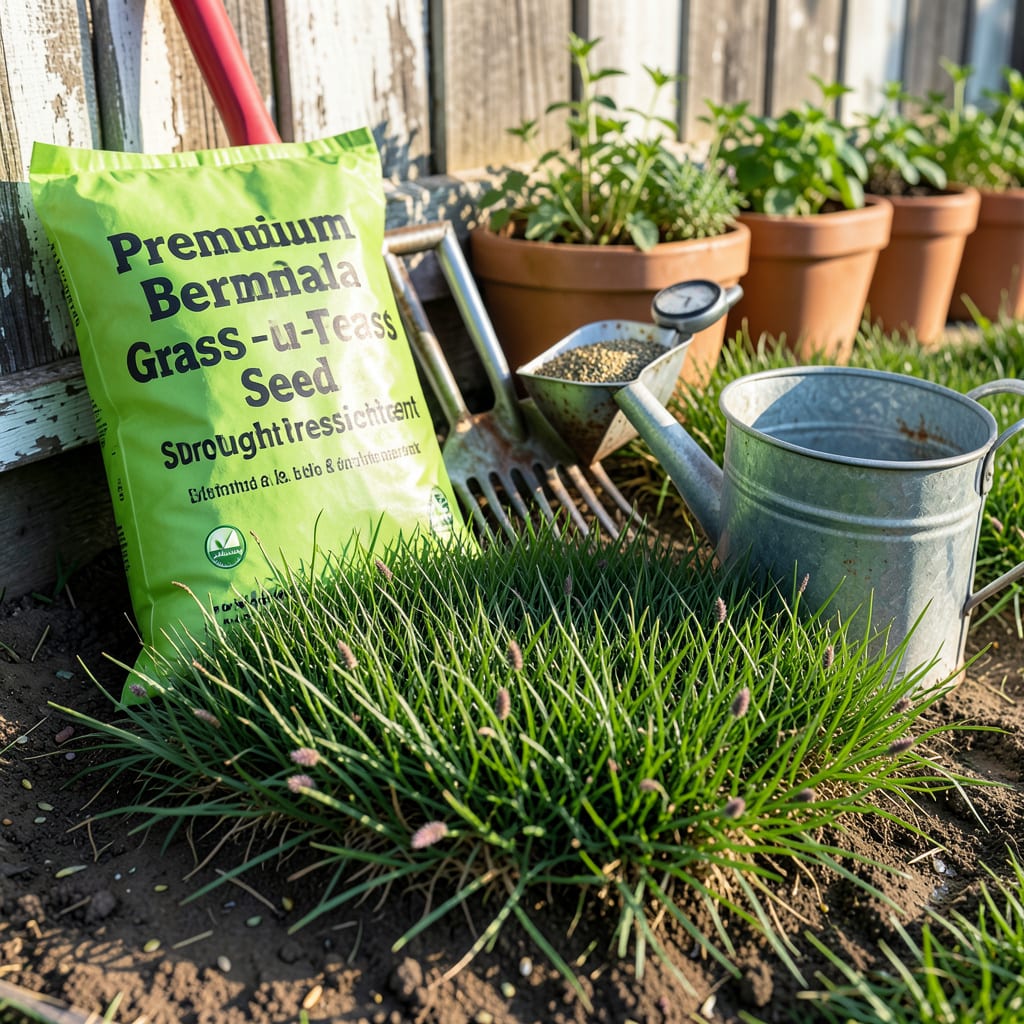
Phoenix homeowners know the struggle: keeping a lawn alive in 110°F summers isn’t for the faint of heart. But here’s the good news—Bermuda grass thrives in this heat, if you plant it at the right time.
I’ve seen too many neighbors waste money on sod that fries or seed that never sprouts. The secret? Timing your planting around Phoenix’s extreme seasons, not just the calendar. Let me show you the exact windows for a lawn that stays green when others turn crispy.
If you’re dreaming of a lush, green lawn in Phoenix, timing your Bermuda grass planting is non-negotiable. Our desert climate demands precision—plant too early, and frost might nip tender sprouts; plant too late, and the scorching summer heat will fry them. I’ve seen both scenarios play out, and trust me, neither is pretty.
Phoenix sits in USDA Zone 9b, where soil temps and monsoon patterns dictate success. The sweet spot? Late spring to early summer, when soil hits 65–70°F—ideal for germination. But there’s more to it than just throwing seed down. Let’s break it down by method and microclimate.
| Method | Best Months | Soil Temp | Water Needs | Establishment Time |
|---|---|---|---|---|
| Seeding | April–June | 65–70°F | Daily (light) | 6–8 weeks |
| Sodding | March–July | 70°F+ | Every 2–3 days | 2–3 weeks |
| Plugs | April–May | 60–75°F | Daily (1st week) | 4–6 weeks |
Note: Avoid planting during July–August heatwaves (100°F+ days) or December–February frost risk (32°F or lower).
For seeding Bermuda grass, I recommend mid-April to early June. This window avoids late frosts (rare but possible in Phoenix) and gives roots time to establish before monsoon season (July–September). If you’re sodding, you can start earlier—March to July—since sod handles heat better than seeds.
Soil prep is critical in our alkaline desert soil. Test your pH (aim for 6.0–7.0) and amend with compost or sulfur if needed. I’ve found that tilling to 4–6 inches and adding organic matter improves water retention, which is a lifesaver during our dry spells.
Watch the 10-day forecast before planting. If temps will exceed 105°F, delay seeding—young sprouts can’t handle that heat. For sod, water immediately after laying and keep it moist for 14 days. Plugs need consistent moisture too, but they’re more forgiving than seeds.
Phoenix’s microclimates matter! Lower desert areas (like Laveen or Buckeye) can plant a week earlier than higher spots (e.g., North Phoenix or Cave Creek). If you’re unsure, check soil temps with a $10 thermometer—it’s a game-changer.
Pro tip: If you miss the spring window, try late August to early September. The monsoon rains help, but avoid planting if nighttime temps drop below 60°F. Bermuda grass goes dormant below 55°F, so late fall plantings often fail.
Varieties like ‘Tifway 419’ or ‘Celebration’ thrive here—they’re drought-tolerant and handle our intense sun. Pair them with a smart irrigation system (set for 4–6 AM watering to reduce evaporation), and you’ll have a lawn that’s the envy of the neighborhood.
Remember, Bermuda grass loves full sun (6+ hours daily) and hates shade. If your yard has trees or buildings casting shadows, consider zoysia or St. Augustine instead. And no matter what, never plant in December—our occasional freezes will wipe out young grass.
Timing + prep = success. Skip either, and you’re fighting an uphill battle against Phoenix’s extremes. But get it right, and you’ll have a drought-resistant, traffic-tolerant lawn that stays green even when temps hit 110°F.
Choosing between seeding and sodding Bermuda grass in Phoenix isn’t just about budget—it’s about survival. Our extreme heat and water restrictions make this decision critical. I’ve helped homeowners regret both options, but for different reasons. Let’s weigh the pros and cons.
Seeding is cheaper ($0.10–$0.30/sq ft) but demands patience and perfect timing. Sod costs more ($0.50–$0.90/sq ft) but gives instant gratification. The real question? Which method can handle Phoenix’s climate where you live—low desert or foothills?
Phoenix Tip: Sod handles 100°F+ temps better than seeds but requires immediate watering post-install.
If you’re seeding in Phoenix, April–May is your golden window. Soil temps hit 65–70°F, and monsoon rains (July–September) arrive just as roots establish. But here’s the catch: You’ll need to water 3x daily (5–10 mins per session) for the first 3 weeks to prevent crusting.
For sodding, you’ve got more flexibility—March through July works if you avoid 110°F+ heatwaves. I always tell clients to lay sod in early morning and water immediately. Use a roller to press sod into soil, eliminating air pockets that dry out roots.
Phoenix’s water restrictions add another layer. Seeded lawns need light, frequent watering (think misting), while sod demands deep soaking (1/2 inch per session). If you’re on a drip system, sod’s your better bet—it tolerates less frequent watering once established.
Here’s my rule of thumb: Choose seeding if you’re patient and can babysit your lawn. Opt for sod if you need a lawn fast or live in a high-traffic area. Either way, soil prep is non-negotiable. Till in 2–3 inches of compost and test pH—our native soil is often too alkaline for Bermuda.
And don’t forget variety selection! ‘Celebration’ Bermuda handles Phoenix heat like a champ, while ‘Tifway 419’ is more drought-tolerant. If you’re seeding, mix in 10% perennial ryegrass for quicker green-up (it’ll die out by summer, but your Bermuda will take over).
Lastly, avoid DIY sod cuts—Phoenix’s hardpan soil makes it tough. Hire a pro with a sod cutter or rent one yourself. And no matter which method you pick, hold off on fertilizer until after the first mowing (usually 3–4 weeks for seed, 2 weeks for sod).
Planting Bermuda grass in Phoenix isn’t just about timing—it’s about avoiding the pitfalls that turn lawns into crispy wastelands. I’ve seen homeowners make costly mistakes, from drowning seedlings to planting in peak summer. Let’s tackle the top five blunders and how to fix them.
First up: ignoring soil prep. Phoenix’s native soil is often compacted and alkaline, which suffocates Bermuda roots. Skipping a soil test or failing to amend with compost or sulfur means your grass will struggle to absorb water and nutrients, no matter how perfectly you time the planting.
Phoenix Pro Tip: If planting in fall, ensure nighttime temps stay above 60°F—Bermuda goes dormant below 55°F.
Another common error? Planting during monsoon season (July–September) without adjusting care. While the rains help, humidity spikes fungus risk. If you must plant then, reduce watering frequency and apply a fungicide preventatively. I’ve saved lawns by switching to early-morning watering (4–6 AM) to let foliage dry quickly.
Shade neglect is a silent killer. Bermuda grass needs 6+ hours of direct sun daily. If your yard has trees or north-facing shadows, expect thin, patchy growth. Solution? Trim branches for more sunlight or opt for shade-tolerant zoysia in darker areas. I’ve seen clients waste months trying to grow Bermuda under mesquite trees—it never works.
Finally, mowing too soon or too short stresses new grass. Wait until your Bermuda reaches 3–4 inches tall, then mow to 1.5–2 inches. Never remove more than 1/3 of the blade at once. In Phoenix, set your mower high in summer to protect roots from heat. And always keep blades sharp—dull cuts invite disease.
Remember, even the best-timed planting fails without consistent follow-through. Monitor soil moisture with a $5 probe, adjust your irrigation timer seasonally, and watch for pests like grubs (they love stressed lawns). With the right approach, your Bermuda will thrive where others burn out. 🌱
Spring (April–June) is ideal for most Phoenix lawns. Soil temps hit the 65–70°F sweet spot, and roots establish before monsoon season. Fall planting (late August–September) can work but risks dormancy if nights drop below 60°F.
Avoid July–August—soil temps often exceed 100°F, frying seeds and stressing sod. If you must, plant early morning, water 3x/day, and use shade cloth. Sod handles heat better than seeds but still struggles in 110°F+ stretches.
For seeds: Light misting 3x/day (5–10 mins) for 3 weeks. For sod/plugs: Deep water every 2–3 days (1/2 inch per session) for 14 days. Always water 4–6 AM to reduce evaporation and fungus risk.
‘Celebration’ and ‘Tifway 419’ dominate Phoenix lawns—they’re drought-tolerant and handle 110°F+. ‘Princess 77’ is softer but needs more water. Avoid common Bermuda—it burns out in our intense sun.
Bermuda needs 6+ hours of direct sun daily. Shade from trees/buildings causes thin, patchy growth. Fix: Trim branches, or switch to shade-tolerant zoysia in darker spots. Even “sun-loving” Bermuda struggles under mesquite canopies.
