
Beautiful Plants For Your Interior
Beautiful Plants For Your Interior
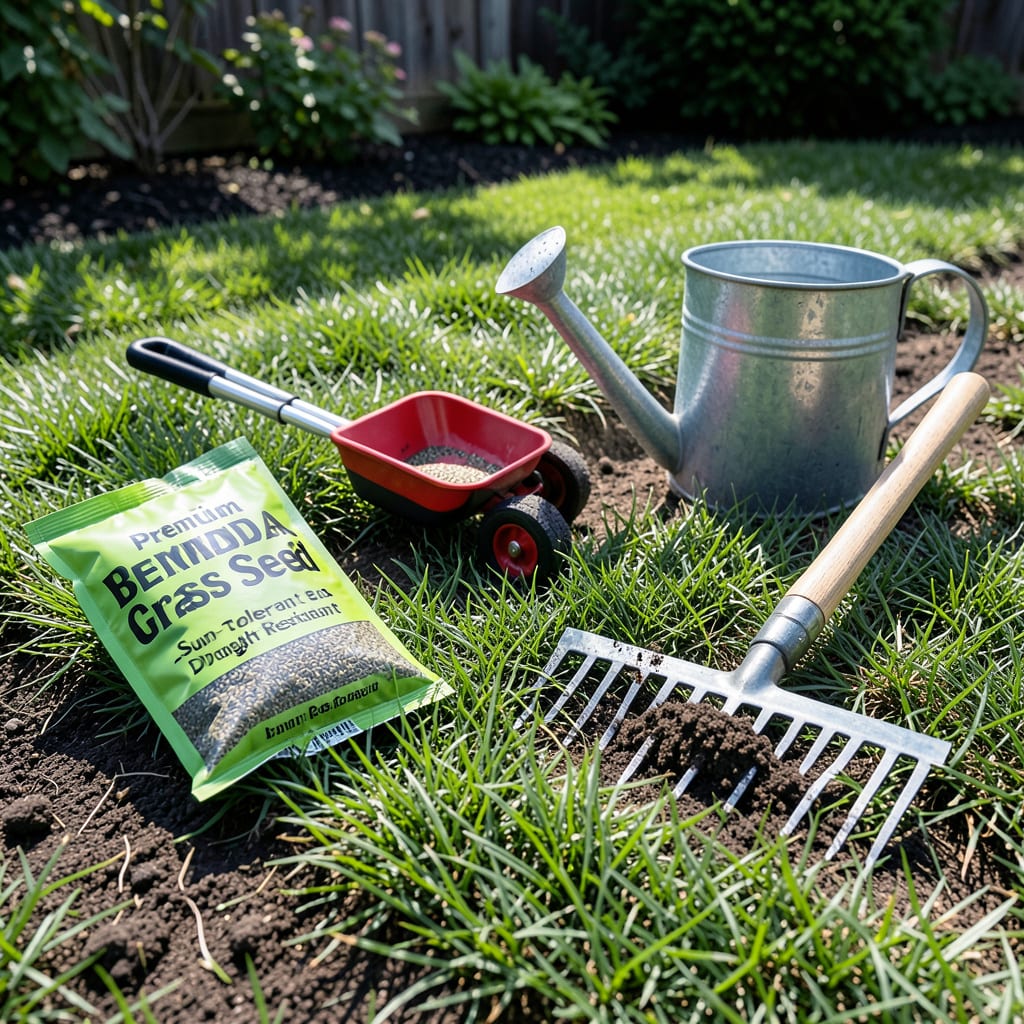
Timing can make or break your Bermuda grass lawn in North Carolina. Plant too early, and a late frost might wipe out your efforts. Wait too long, and you’ll miss the optimal growing window for that thick, lush turf we all want.
After years of testing and tweaking, I’ve nailed down the perfect schedule for planting 🌿 Bermuda Grass in NC’s climate. Whether you’re in the mountains or along the coast, I’ll show you exactly when to plant—and why it matters—for a lawn that thrives all season.
North Carolina’s diverse climate means the perfect planting window for Bermuda grass shifts dramatically across the state. In the coastal plains, warm soil arrives earlier, while the mountains stay cooler longer. I’ll break down the ideal timing for each region so you don’t waste seed or sod.
Remember, soil temperature—not just air temp—is the key. Bermuda grass needs 65°F+ soil to germinate properly. A cheap soil thermometer is your best friend here. Let’s dive into the regional differences that’ll make or break your lawn. 🌡️
| Region | Ideal Window | Soil Temp Ready | Last Frost Date |
|---|---|---|---|
| Coastal NC | Mid-April to June | Early April | March 28 |
| Piedmont | Late April to Early June | Mid-April | April 15 |
| Mountains | Early May to Mid-June | Late April | May 1 |
Pro Tip: Use a soil thermometer at 2″ depth—65°F for 3+ days means it’s go time!
In the coastal regions, you can start planting as early as mid-April, thanks to warmer ocean influences. I’ve seen lawns thrive when seeded by May 1 here. The sandy soils warm up faster, but they also dry out quickly—so keep that watering schedule tight.
The Piedmont’s clay-heavy soil holds moisture but warms slower. Wait until late April to plant, and consider aerating if your soil compacts easily. This region’s April 15 frost date is your safety net—don’t plant before then unless you’re ready to cover tender sprouts.
Mountain gardeners need patience. Elevation delays warming, so hold off until early May. I’ve lost seed to late frosts in Boone—learned the hard way! The upside? Cooler nights mean less heat stress on new grass once it establishes.
No matter your region, June plantings can work if you’re vigilant about watering. The risk? Weeds compete aggressively in summer. I recommend a pre-emergent herbicide 6 weeks before planting if you’re seeding later in the season.
For sod installations, you’ve got more flexibility—just avoid extreme heat. Late summer sodding (August) can work if you water daily for 3 weeks. But spring planting gives roots more time to establish before winter.
Watch the 10-day forecast before planting. If nighttime temps dip below 50°F, hold off. Bermuda grass hates cold feet! A sudden cold snap can stall germination for weeks, leaving your lawn vulnerable to weeds.
Still unsure? Grab a soil test kit from your local NC Cooperative Extension office. For $15, you’ll get pH and nutrient data tailored to your exact location—money well spent for a lawn that’ll last decades. 🌱
Planting Bermuda grass seed in North Carolina isn’t just about timing—it’s about preparation and precision. I’ve found that following these steps ensures faster germination and a thicker lawn. Start by testing your soil’s pH—Bermuda thrives in 6.0–6.5 range. Too acidic? Add lime. Too alkaline? Sulfur does the trick.
Next, clear the area of debris and till the top 2–3 inches of soil. This helps seeds make direct contact with the earth, which is crucial for germination. If you’re dealing with NC’s notorious clay soil, mix in compost or sand to improve drainage. Trust me, your grass will thank you later. 🌱
Pro Tip: Plant in early morning to reduce evaporation and give seeds a full day to settle.
After seeding, water lightly but frequently—think daily misting rather than deep soaking. The goal is to keep the top inch of soil damp. I use a timer on my sprinkler to avoid overwatering. Once sprouts appear (usually in 7–14 days), gradually reduce frequency but increase depth.
Fertilizing too early can burn tender sprouts, so wait until your grass reaches 2–3 inches tall. Then, apply a high-nitrogen fertilizer (like 20-10-10) to encourage dense growth. In NC’s heat, I recommend early morning feeding to prevent stress. Avoid weed killers until after the third mowing—young grass is sensitive!
Mow for the first time when grass hits 3–4 inches, but never remove more than ⅓ of the blade at once. Set your mower to 1–1.5 inches for Bermuda—it loves being kept short. Sharpen those blades too; dull cuts invite disease. I mow weekly in summer to keep my lawn looking like a golf course. ✂️
If weeds pop up, don’t panic. Hand-pull them or spot-treat with a post-emergent herbicide labeled for Bermuda. For future plantings, consider a pre-emergent in early spring—but skip it the year you seed. Patience pays off: a well-timed planting now means less maintenance later.
Still nervous? Start with a small test patch to dial in your technique. Once you see success, expand your lawn with confidence. And remember, Bermuda grass loves heat—so summer plantings can work if you’re diligent with water. Just avoid extreme drought periods! 💧
Even with perfect timing, small mistakes can sabotage your Bermuda grass lawn in North Carolina. I’ve seen too many gardeners waste time and money on avoidable errors. Let’s tackle the top 5 pitfalls so your lawn thrives from day one. 🌱
First up: planting too early in spring. Bermuda grass needs consistent soil temps above 65°F. If you jump the gun, cold snaps will stall germination or kill tender sprouts. I once lost an entire lawn by planting in early April—lesson learned!
Pro Tip: Use a soil thermometer—$10 could save your lawn!
Another biggie: overwatering. While Bermuda loves moisture, soggy soil suffocates roots and breeds fungus. Stick to light daily watering until germination, then taper off. I use a rain gauge to track 1–1.5 inches per week—no guesswork!
Skipping the soil test is like planting blindfolded. NC’s soil pH ranges from acidic mountains to alkaline coasts. For $15, your local Cooperative Extension gives you exact amendments. I once assumed my Raleigh soil was fine—turns out it needed lime and phosphorus!
Choosing the wrong seed variety can mean constant struggles. For NC’s heat and humidity, ‘Celebration’ or ‘TifTuf’ outperform generic mixes. They handle drought and disease better, saving you headaches later. Trust me, the extra $5 per bag is worth it.
Finally, weed control missteps ruin many lawns. Never apply pre-emergent herbicide before planting—it’ll block your grass seeds too! For existing weeds, hand-pull or use post-emergent sprays labeled for Bermuda. I keep a garden kneeler handy for quick weed removal sessions.
Spring planting (late April to June) is ideal for most of NC, as it gives roots time to establish before summer heat. However, summer plantings can work if you’re diligent with watering. The key is soil temperature—wait until it’s consistently above 65°F at 2″ depth.
Fall planting is risky in NC. Bermuda grass needs 3–4 months of warm growth before frost. In most regions, seeds planted after September 1 won’t establish properly. If you must plant late, opt for sod and be prepared to protect it from early frosts.
Under ideal conditions (70–85°F soil), Bermuda grass seeds typically germinate in 7–14 days. In cooler NC mountain areas, it may take up to 21 days. Keep soil consistently moist but not soggy during this period for best results.
Seed is more affordable and offers more variety options, while sod gives instant results. For NC’s clay-heavy Piedmont, sod often establishes better. Coastal areas with sandy soil see good success with seed. Consider your budget and patience level—sod costs 10–15x more but eliminates the germination wait.
In most of NC, aim to finish planting by July 1 to allow sufficient establishment before fall. Mountain regions should wrap up by June 15. Late plantings require extra watering and may need winter protection. Always check the 10-day forecast for heat waves or cold snaps.
