
Beautiful Plants For Your Interior
Beautiful Plants For Your Interior
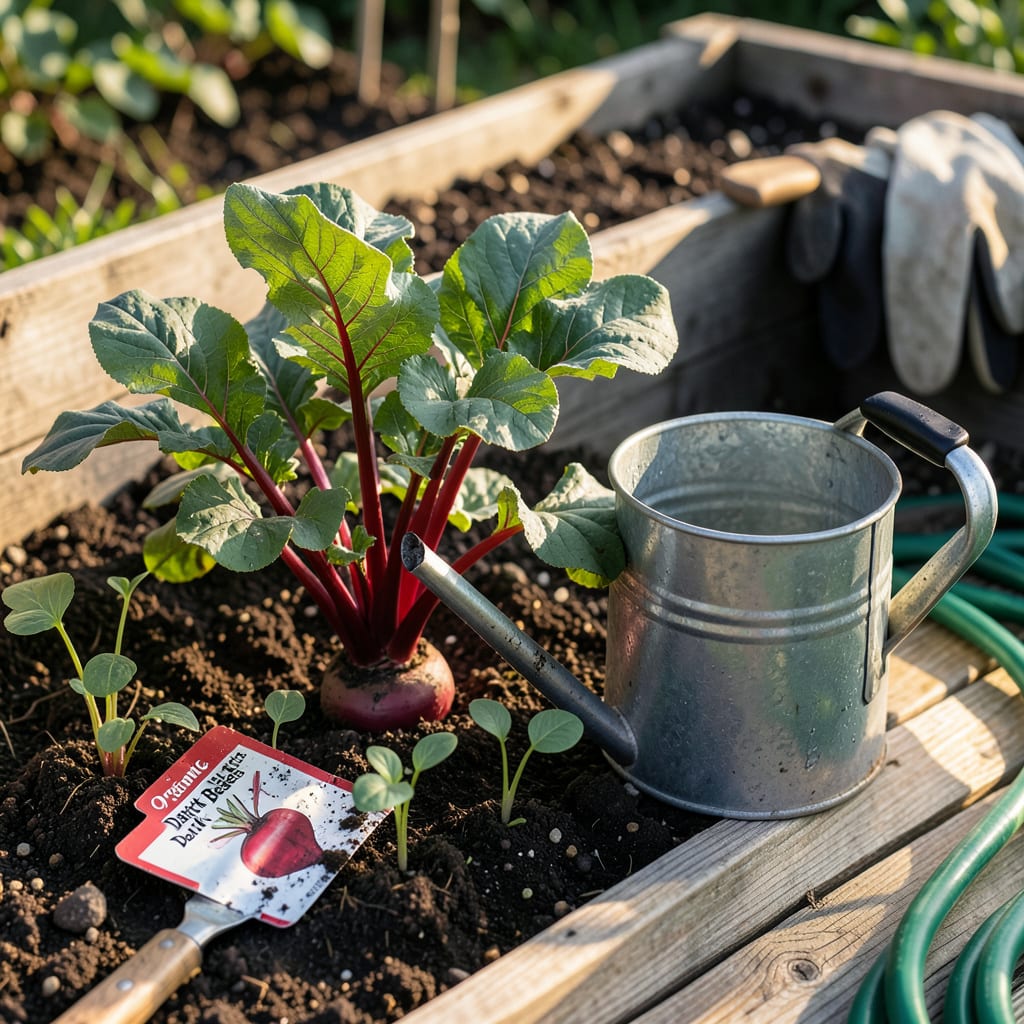
Timing your beet planting in Virginia can mean the difference between sweet, tender roots and tough, woody disappointments. From the Piedmont’s rolling hills to the Coastal Plain’s milder climate, knowing exactly when to sow is the secret to success.
I’ve tested planting windows across zones 7a-8a, and the results might surprise you. Whether you’re aiming for a spring harvest or a fall bounty, I’ll break down the ideal schedule—plus the soil temps and frost considerations that Virginia gardeners can’t afford to ignore. Let’s get it right the first time.
If you’ve ever bitten into a woody beet or watched your crop bolt prematurely, you know timing is everything in Virginia. Our state’s diverse climates—from the mild Coastal Plain to the cooler Piedmont—mean planting dates aren’t one-size-fits-all. Get it right, and you’ll pull up sweet, tender roots in just 55 days.
The secret? Working with Virginia’s two prime beet seasons: spring (March–April) and fall (August–September). But even within these windows, your exact planting date hinges on where you garden. Coastal gardeners can start 2–3 weeks earlier than Piedmont folks, thanks to warmer soils and later frosts.
| Region | Spring Planting | Fall Planting | Last Frost Date | Soil Temp Goal |
|---|---|---|---|---|
| Coastal Plain (Zones 8a–8b) |
Late Feb–March Direct sow 4–6 weeks before last frost |
Late Aug–Sept Sow 8–10 weeks before first frost |
March 28–April 10 | 50–70°F |
| Piedmont (Zones 7a–7b) |
Mid-March–April Wait until soil hits 50°F |
Mid-Aug–Early Sept Aim for 60-day maturity before frost |
April 10–15 | 50–65°F |
| Mountains (Zones 6a–6b) |
Late March–April Start indoors 2–3 weeks early if needed |
Early Aug Use cold-hardy varieties like ‘Lutz’ |
April 15–30 | 45–60°F |
Pro Tip: Use a soil thermometer—beets germinate poorly below 40°F but bolt above 75°F. In Coastal areas, shade cloth can extend spring harvests by 2 weeks.
I always check the soil temperature at 2-inch depth before sowing. A cheap thermometer from your local garden center saves guesswork. If your soil’s still chilly, warm it faster with black plastic mulch—especially useful in Piedmont’s clay-heavy soils, which warm slower than sandy Coastal earth.
For spring planting, aim to sow 2–4 weeks before your last frost. Coastal gardeners can start as early as late February with row covers, while Piedmont folks should wait until mid-March. If you’re in the Mountains, hold off until late March—those extra weeks make all the difference in avoiding frost damage.
Fall beets are my favorite—they’re sweeter after light frosts! Start 8–10 weeks before your first frost. In the Coastal Plain, that’s late August; in the Piedmont, push it to early September. For Mountain gardeners, early August sowing ensures roots mature before hard freezes. I love ‘Winter Keeper’ for fall—it handles cold snaps like a champ.
Don’t overlook succession planting! For a steady harvest, sow a new row every 2–3 weeks until 60 days before first frost. This works especially well in the Coastal region, where the long season allows for 3–4 plantings. In Piedmont, stick to 2 plantings (one early spring, one late summer) to avoid mid-summer heat stress.
If you’re dealing with heavy clay soil (common in Piedmont), mix in compost or sand before planting. Beets need loose, well-draining soil to develop properly—otherwise, you’ll get gnarled, tough roots. Coastal gardeners, your sandy soil drains fast, so mulch heavily to retain moisture during dry spells.
Watch for pests like flea beetles, which thrive in Virginia’s humid summers. I cover young plants with floating row covers until they’re established. If you’re organic, neem oil sprays work wonders—just apply in the early morning to avoid harming bees. And don’t forget to thin seedlings to 3–4 inches apart once they’re 2 inches tall; crowded beets won’t size up.
For the sweetest beets, harvest when roots are 1–3 inches wide. Larger beets can turn woody, especially in hot weather. Use the “fingernail test”: if you can’t easily pierce the skin, they’re ready! In fall, leave a few in the ground after light frosts—the
Virginia’s humid summers and variable soils can make or break your beet harvest. After years of testing, I’ve found that small tweaks—like amending Piedmont clay or timing watering—can triple your sweetness. Here’s how to outsmart our state’s quirks for the best-flavored beets.
First, soil prep is non-negotiable. Beets crave loose, well-draining soil with a pH of 6.0–7.0. In the Piedmont’s heavy clay, I mix in 2 inches of compost and a handful of sand per square foot. Coastal gardeners, your sandy soil drains too fast—add aged manure to retain moisture without waterlogging.
Bonus: Sprinkle wood ash (1/4 cup per plant) at planting for a potassium boost—it enhances sweetness and deters pests like flea beetles.
For fall beets, timing is everything. Sow 8–10 weeks before your first frost, but adjust for your zone: Coastal gardeners can plant until early September, while Piedmont folks should finish by August 20. I’ve found that ‘Winter Keeper’ beets planted in August taste sweeter after light frosts—the cold converts starches to sugars!
Avoid the #1 flavor killer: inconsistent watering. Beets develop woody, bitter roots when stressed. Use a rain gauge to track weekly inch totals, and supplement with drip irrigation during dry spells. In Coastal Virginia, where afternoon storms are common, check soil moisture before watering—overwatering leaches nutrients.
Companion planting makes a difference too. I interplant beets with onions or garlic to deter pests, and lettuce to maximize space. Avoid planting near pole beans—they compete for nutrients. For Piedmont gardens, add borage nearby; its deep roots break up compacted soil, and bees love its flowers.
Finally, harvest at the right size. Pull beets when roots reach 1–2 inches for tender baby beets, or 2–3 inches for full-size. Use the “fingernail test”: if you can’t easily pierce the skin, they’re ready. In fall, leave some in the ground until after a light frost—they’ll be the sweetest you’ve ever tasted! 🌱
If you’re struggling with poor germination, soak seeds overnight in lukewarm water before planting. This trick works wonders in Virginia’s cool early-spring soils, speeding up sprouting by 3–5 days. And always thin seedlings to 3 inches apart—crowded beets won’t size up properly. 🪴
Even experienced Virginia gardeners can stumble with beets, especially when dealing with our humid summers and clay-heavy soils. I’ve seen firsthand how small oversights—like overcrowding seedlings or ignoring soil prep—can ruin a crop. Let’s tackle the most common pitfalls so you can grow perfect beets every season.
The biggest mistake? Planting too late in spring. Beets bolt quickly in Virginia’s heat, so if you sow after May 1 in the Piedmont or June 1 in Coastal areas, you’ll likely end up with tough, bitter roots. Stick to the early spring or late summer windows for best results.
Quick Fix: If your beets are woody, harvest smaller (1–2 inches) next time and water consistently.
Another frequent issue is poor germination, especially in early spring when soils are cool. Beet seeds need consistent moisture to sprout, but Virginia’s clay soils can crust over, blocking seedlings. To combat this, cover seeds lightly with vermiculite instead of soil, and keep the bed evenly moist (not soggy) for the first 10 days.
Virginia’s humid summers also bring fungal diseases like leaf spot. To prevent this, water at the base of plants (never overhead) and space rows 12–18 inches apart for airflow. If you notice yellowing leaves, remove them immediately and spray with copper fungicide (organic option) or a baking soda solution (1 tbsp per gallon of water).
Finally, don’t forget to thin seedlings! Crowded beets won’t size up and compete for nutrients. When seedlings reach 2 inches tall, snip (don’t pull) the weakest ones, leaving 3–4 inches between plants. Use the thinnings in salads—they’re delicious! For fall crops, thin earlier (at 1 inch tall) to give roots more time to develop before frost.
If your beets are small or misshapen, it’s often due to compacted soil or uneven watering. Loosen the soil 12 inches deep before planting, and add aged compost to improve texture. In Coastal areas, where soil is sandy, mix in peat moss to help retain moisture and nutrients. 🌱
Summer planting isn’t ideal for most Virginia regions. Beets struggle in heat above 75°F and will bolt quickly. Stick to spring (March-April) or fall (August-September) for best results. Coastal gardeners might try heat-tolerant varieties like ‘Red Ace’ with shade cloth.
Check for roots 1-3 inches wide at the soil line. The “fingernail test” works well: if you can’t easily pierce the skin, they’re ready. Harvest within 55-70 days of planting for peak sweetness. Fall beets can stay in ground after light frosts for extra sweetness.
Loosen soil 12 inches deep and mix in 2 inches of compost. Piedmont gardeners should add sand to break up clay. Coastal gardeners benefit from aged manure to improve moisture retention. Aim for a pH of 6.0-7.0 for optimal growth.
Provide 1 inch of water weekly, either through rainfall or irrigation. Use a rain gauge to track amounts. In hot Coastal summers, water twice weekly if rainfall is insufficient. Morning watering helps prevent fungal diseases in humid conditions.
For spring: ‘Detroit Dark Red’ (classic) or ‘Golden’ (heat-tolerant). For fall: ‘Lutz Winter Keeper’ (cold-hardy) or ‘Chioggia’ (sweet). Coastal gardeners can try ‘Red Ace’ for summer planting with shade protection.
