
Beautiful Plants For Your Interior
Beautiful Plants For Your Interior
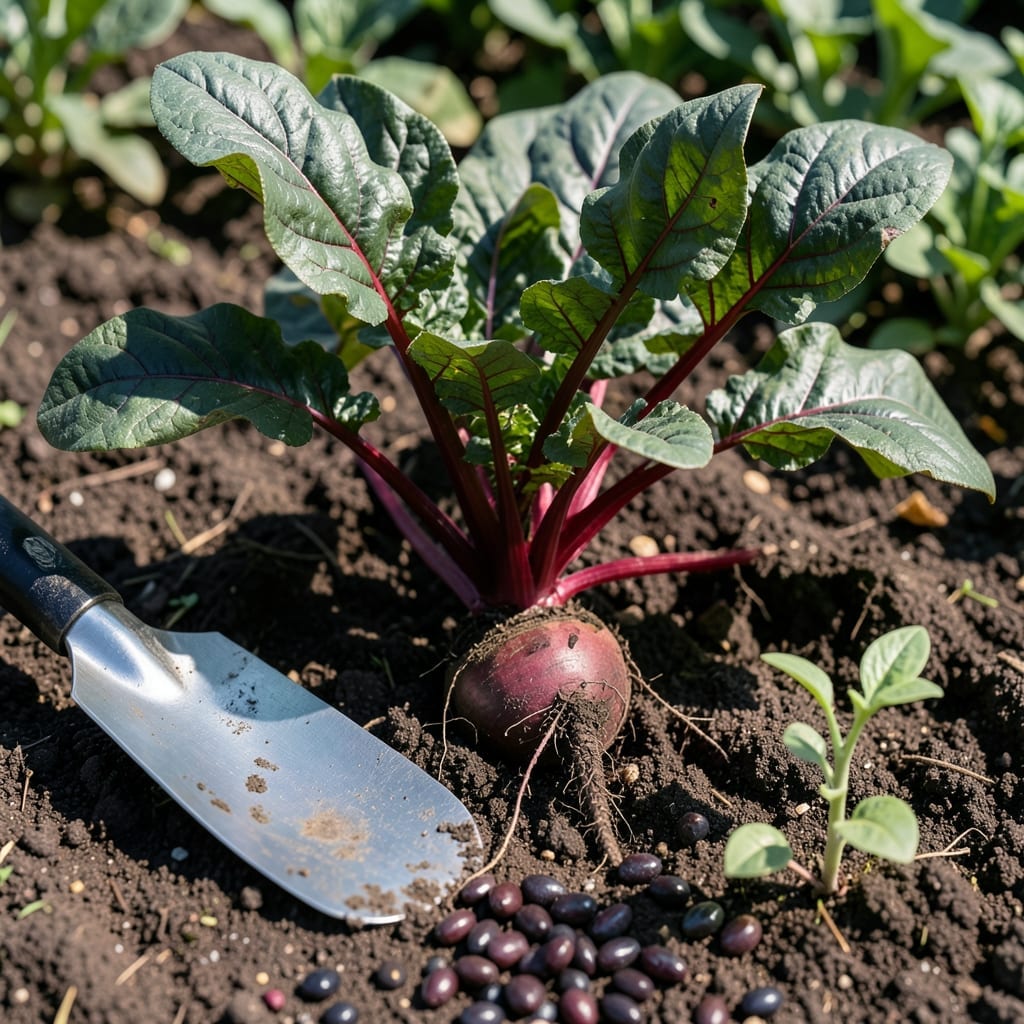
Timing is everything when planting 🥬 Beet in Minnesota’s Zone 4a climate. One misstep with the calendar, and you could lose your crop to a late frost or early snow.
I’ve learned the hard way that this cool-season vegetable thrives when the soil hits 40°F. Plant too early or too late, and you’ll miss out on those sweet, tender roots.
Whether you’re a seasoned gardener or just starting out, getting the timing right means the difference between a bountiful harvest and disappointment. Let’s make sure you nail it this year.
Discover the exact windows for spring and fall planting, plus the pro tips that’ll give your Beet the best shot in Minnesota’s unpredictable weather.
In Minnesota’s Zone 4, the beet planting window hinges on soil temperature. I always wait for the soil to reach 40°F before sowing seeds, which usually happens in mid-April for spring planting.
For a fall harvest, aim to plant 8-10 weeks before the first frost, typically late July to early August. This gives beets enough time to mature before cold sets in.
| Planting Window | Soil Temp | Frost Consideration |
|---|---|---|
| Early Spring | 40°F+ | 2-4 weeks before last frost |
| Late Summer | 50-75°F | 8-10 weeks before first frost |
Beets are cold-hardy and can tolerate light frosts, but they won’t germinate in cold soil. I’ve found that using row covers can help warm the soil and protect young plants.
For succession planting, sow new seeds every 2-3 weeks until mid-summer. This ensures a continuous harvest rather than one large batch.
The last frost date in most of Minnesota is around May 15, so early April plantings often need protection. I use black plastic mulch to speed up soil warming.
Fall plantings should be timed so beets mature before hard frosts hit. In Zone 4, October 1 is typically the first frost date, so late July is ideal for the final sowing.
Beets planted in full sun with well-draining soil will thrive. I always amend my beds with compost before planting to ensure good fertility.
If you’re planting in raised beds, the soil warms faster, allowing for earlier sowing. Just watch for late frosts and have covers ready.
Remember, beet seeds are actually clusters, so thinning seedlings to 3-4 inches apart is crucial for proper root development.
With the right timing and care, you’ll enjoy sweet, tender beets from early summer through fall 🌱
Minnesota’s Zone 4 climate demands cold-hardy beet varieties that can handle temperature swings. I’ve found Detroit Dark Red and Boltardy thrive here, thanks to their quick maturation.
For a fall harvest, Lutz Winter Keeper is my top pick—it stores well and tastes sweeter after frost. Each variety has its own ideal window, so timing is key.
| Variety | Days to Maturity | Planting Window |
| Detroit Dark Red | 60 days | April-May, July |
| Boltardy | 55 days | April-June |
| Lutz Winter Keeper | 80 days | May, July |
Boltardy is perfect for early spring planting since it resists bolting in cooler temps. I plant it 2-4 weeks before the last frost when soil hits 40°F.
For a continuous harvest, I stagger plantings of Detroit Dark Red every 2 weeks from April to July. This ensures fresh beets all season.
Lutz Winter Keeper needs a longer window, so I start seeds in May for late fall harvesting. Its sweet flavor improves after light frosts.
Remember, soil temperature is critical. Use a thermometer to check before planting. Cold soil delays germination, so patience pays off.
These varieties give you flexibility to enjoy beets from early summer through late fall in Minnesota’s short season 🌱