
Beautiful Plants For Your Interior
Beautiful Plants For Your Interior
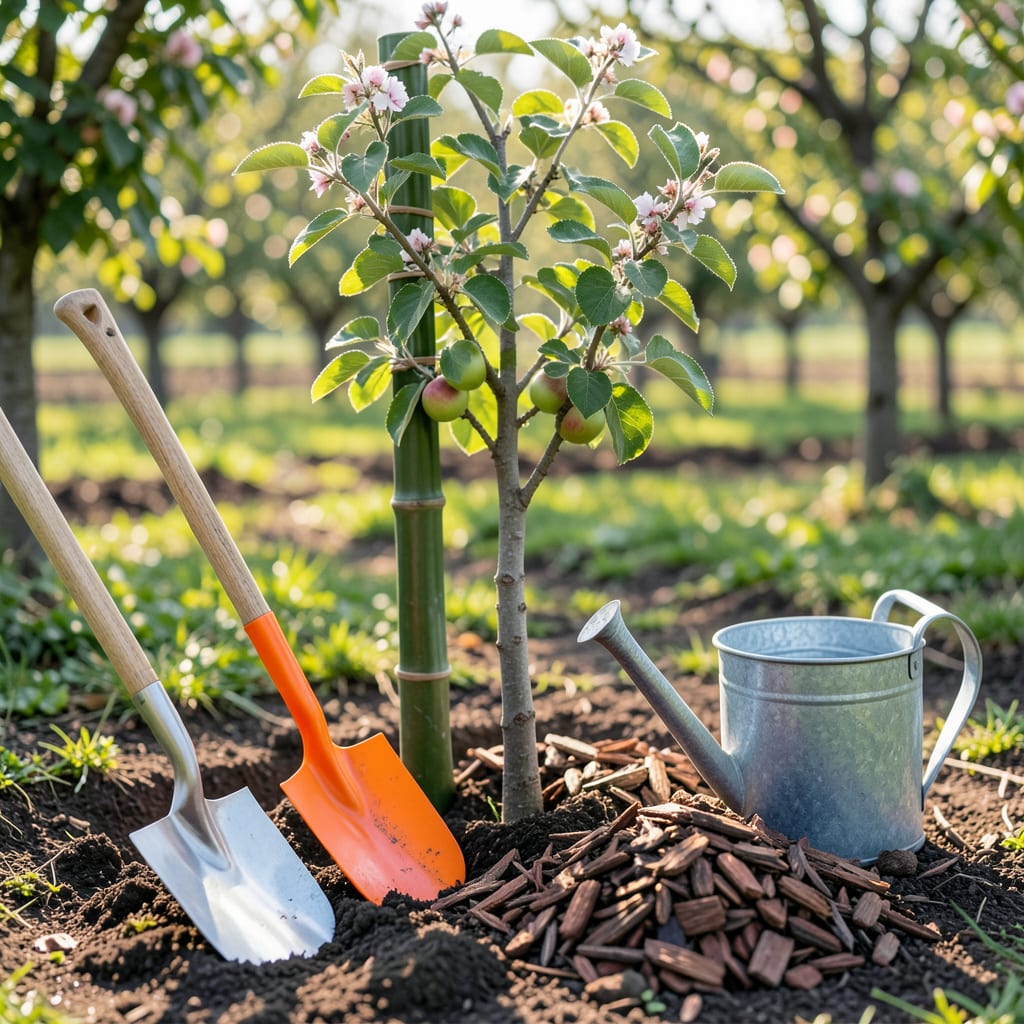
Timing is everything when it comes to planting apple trees in Alabama—miss the window, and you could be waiting years for those crisp, homegrown 🍎. Our warm Zone 8 climate demands a strategic approach, especially when balancing frost risks with early spring heatwaves.
I’ve helped dozens of Alabama gardeners avoid costly mistakes by nailing the perfect planting schedule. Whether you’re in Birmingham or Mobile, I’ll break down the exact months to get your trees in the ground for thriving growth and bountiful harvests. Let’s dig in.
If you’re dreaming of crisp, homegrown apples in Alabama, timing your planting is everything. Our Zone 8 climate gives us a unique advantage—but also some challenges. The ideal window is between late January and early March, when trees are dormant but the soil is workable.
Why this timing? Alabama’s last frost date (around March 15) means planting 4-6 weeks beforehand gives roots time to establish before spring growth. Avoid fall planting here—our mild winters can trick trees into breaking dormancy too early, leaving them vulnerable to late freezes.
| Planting Window | Key Dates | Conditions | Notes |
|---|---|---|---|
| Ideal Time | Late Jan – Early March | Soil temp 40°F+ | Bare-root trees thrive; container-grown acceptable |
| Good Time | Dec & March | Soil workable, no frost | Container-grown only; avoid extreme cold |
| Avoid | April – Nov | Heat stress risk | Fall planting risky in Zone 8 |
| North AL | Jan 20 – Feb 20 | Cooler, Zone 7b | Earlier planting than Gulf Coast |
| Gulf Coast | Feb 1 – Mar 1 | Warmer, Zone 9a | Watch for early spring heatwaves |
For North Alabama (Zone 7b), aim for mid-January to mid-February. The Gulf Coast (Zone 9a) can push planting to early March, but don’t delay—our summers arrive fast! I always check the 10-day forecast for unexpected cold snaps before planting.
Bare-root trees are your best bet during dormancy, but container-grown trees can work if planted carefully. The key? Soil temperature must stay above 40°F for root development. Use a soil thermometer—it’s my secret weapon for perfect timing!
Pro tip: Prepare your site before winter. Test soil pH (aim for 6.0-6.5) and amend with compost. Apple trees hate “wet feet”, so choose a well-draining spot with full sun (6+ hours daily). I lost my first tree to root rot—learn from my mistake!
After planting, mulch with 2-3 inches of wood chips to retain moisture and regulate soil temp. Water deeply once a week (more during drought). First-year trees need extra TLC—think of them like newborns needing constant care!
Remember: Low-chill varieties like ‘Anna’ or ‘Dorsett Golden’ are your best friends in Alabama. They need only 200-300 chill hours (vs. 500+ for northern varieties). I’ll cover the best varieties for our climate in the next section—stay tuned!
Still unsure? Contact your local Alabama Cooperative Extension office. They’ve got hyper-local data on microclimates and frost pockets. I call mine every year before planting—it’s saved me from costly mistakes more than once!
Planting at the right time sets your apple tree up for decades of production. Get this step right, and you’ll be biting into homegrown Alabama apples in just 2-3 years. Now that’s what I call a sweet investment! 🌳
Even with perfect timing, some common mistakes can doom your Alabama apple trees before they bear fruit. I’ve seen too many gardeners lose trees to preventable errors—especially in our humid subtropical climate. Let’s fix that before you dig your first hole!
The #1 killer? Planting too deep. Your tree’s graft union (that bump near the base) must stay 2-3 inches above soil. Bury it, and you’ll smother the tree. I use a broom handle across the hole to check depth—simple but lifesaving!
Ignoring chill hours: Northern varieties need 500+ chill hours—Alabama gets 200-400. Plant ‘Anna’ or ‘Dorsett Golden’ instead.
Skipping pollinators: Most apples need two compatible varieties within 50 feet. No bees = no apples!
Summer watering fails: Our July-August droughts stress young trees. Deep water 2x weekly in extreme heat.
Fire blight risk: Our humid springs spread this bacterial disease. Prune in dry winter months only.
Soil pH neglect is another silent tree killer. Alabama’s natural soil often runs too acidic (below 6.0). Test with a $10 kit from your extension office. I add lime to raise pH or sulfur to lower it—based on test results, not guesses!
Poor drainage equals root rot in our clay-heavy soils. Here’s my fix: Dig a $2 hole test. Fill with water—if it drains slower than 1 inch/hour, amend with compost and sand. Or plant on a 12-inch mound for better drainage.
Don’t overlook pollination partners! Many apple varieties are self-unfruitful in Alabama. My rule: Plant two different varieties that bloom simultaneously. ‘Anna’ pairs well with ‘Dorsett Golden’—both thrive in our low-chill climate and pollinate each other beautifully.
Finally, mulch madness causes more problems than it solves. Piling mulch against the trunk invites rodents and rot. Keep it 3 inches from the base, spread 2-3 inches deep in a 3-foot diameter. I use shredded hardwood—it decomposes slowly and deters weeds effectively.
Remember: Alabama’s long growing season is a blessing and a curse. While we can grow apples most northerners can’t, our heat, humidity, and pests demand extra vigilance. Follow these tips, and you’ll avoid the heartbreak of watching young trees decline. Your future self will thank you when those first Alabama-grown apples appear! 🪴
Not all apple trees can handle Alabama’s short winters and long hot summers. After losing three trees to poor variety selection, I learned this the hard way! The secret? Choosing low-chill varieties that need 200-400 chill hours—perfect for our Zone 8 climate.
These five varieties don’t just survive in Alabama—they thrive. I’ve grown all of them in my Birmingham orchard, and each brings something special to the table. From crisp snacking apples to baking favorites, there’s a perfect match for every Alabama gardener.
| Variety | Chill Hours | Flavor Profile | Harvest Time | Best For |
|---|---|---|---|---|
| Anna | 200-300 | Sweet-tart, crisp, juicy | Early June | Fresh eating, pollinator |
| Dorsett Golden | 250-300 | Sweet, low-acid, firm | Late May | All-purpose, disease-resistant |
| Ein Shemer | 250-350 | Mild, slightly tart | Early July | Baking, cider, pollinator |
| TropicSweet | 250 | Very sweet, crisp | June-July | Fresh eating, kids love it |
| Fuji (low-chill) | 300-400 | Super sweet, dense | August | Storage, fresh eating |
Anna and Dorsett Golden are my top picks—they’re proven winners in Alabama’s climate. I planted my Anna tree five years ago, and it now produces 50+ pounds of apples annually with minimal care. Both varieties serve as excellent pollinators for each other too!
For baking enthusiasts, Ein Shemer holds its shape beautifully in pies. It’s also one of the most disease-resistant varieties I’ve grown. If you want a kid-friendly apple, TropicSweet is impossibly sweet—my nieces devour them straight from the tree!
The low-chill Fuji is perfect if you love that classic grocery-store sweetness but want to grow it yourself. It stores well too—I’ve kept mine fresh for 3 months in a cool basement. Just be patient: Fuji takes 1-2 years longer to bear fruit than other varieties.
Pro tip: Always plant at least two varieties for cross-pollination. My Anna and Dorsett Golden trees are just 20 feet apart, and they pollinate each other perfectly. If space is tight, consider a multi-graft tree with 2-3 varieties on one rootstock!
Remember: These varieties need full sun (6+ hours) and well-draining soil. I lost a TropicSweet to root rot my first year—now I plant all my trees on 12-inch mounds to ensure proper drainage. Learn from my mistakes and you’ll be enjoying Alabama-grown apples for decades! 🌳
Soil should be at least 40°F for root development. Use a soil thermometer to check before planting. In Alabama, this typically occurs between late January and early March, depending on your specific zone.
It’s risky in Alabama’s heat. Summer planting stresses trees and reduces survival rates. Stick to dormant season planting (winter) for best results. If you must plant in summer, provide extra shade and water daily for the first month.
Standard trees need 20-30 feet apart, while dwarf varieties can be planted 8-12 feet apart. Always check your specific variety’s requirements. Proper spacing ensures good air circulation and prevents disease spread in our humid climate.
Planting too deep is the #1 killer of young apple trees. The graft union (visible bump near the base) must stay 2-3 inches above soil. Use a broom handle across the hole to check depth before backfilling. This simple trick saves countless trees!
Yes! Most apple trees require cross-pollination to produce fruit. Plant two compatible varieties within 50 feet of each other. In Alabama, ‘Anna’ and ‘Dorsett Golden’ make excellent pollination partners and both thrive in our low-chill climate.
