
Beautiful Plants For Your Interior
Beautiful Plants For Your Interior
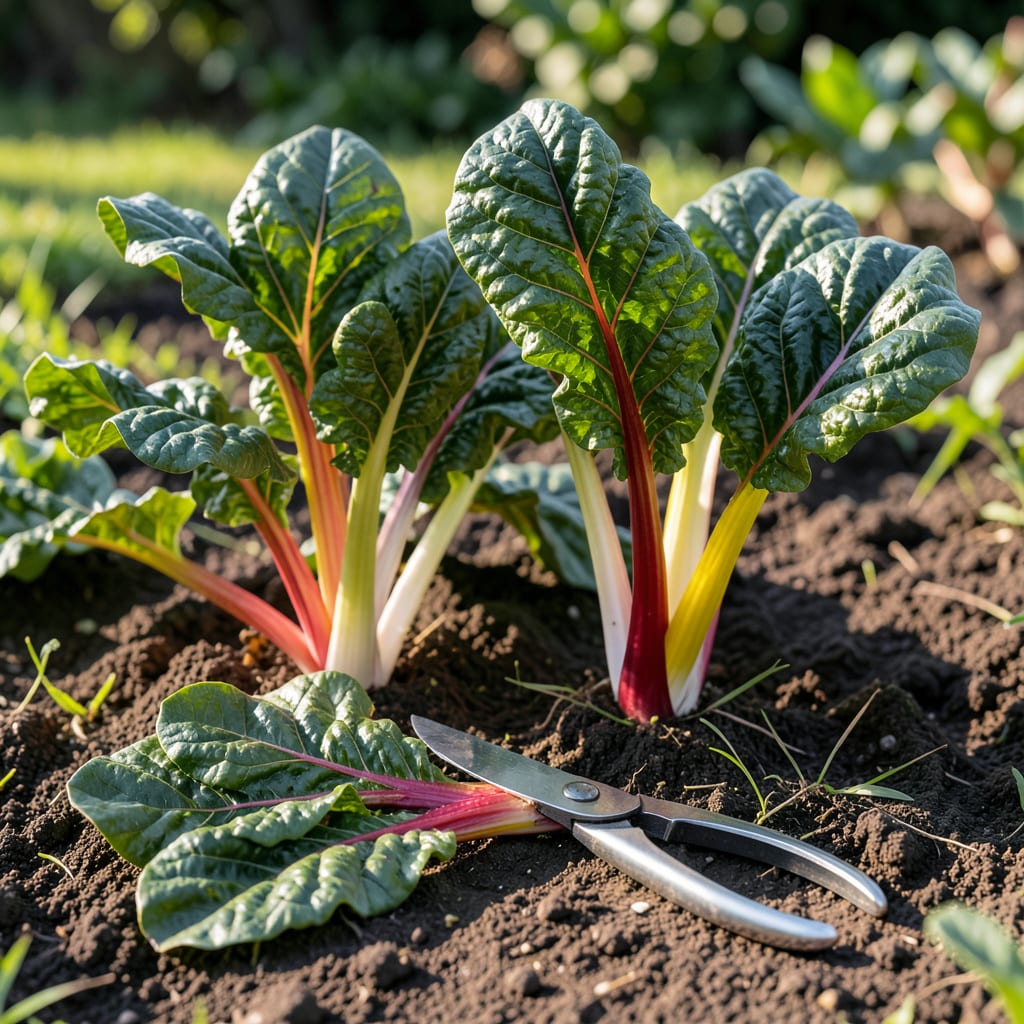
Ever stood in your garden wondering if your 🥬 Swiss Chard is ready for harvest? The difference between perfectly tender leaves and tough, bitter ones often comes down to timing.
I’ll show you the simple signs to look for so you can enjoy the best flavor and keep your plants producing all season long.


Timing your Swiss chard harvest perfectly ensures the best flavor and texture. I look for leaves that are 6-8 inches tall with firm stems and vibrant colors—these are the clearest signs your plants are ready.
The ideal harvest window is typically 50-70 days after planting, but this can vary based on growing conditions. Spring crops may mature faster than fall plantings, so I always check the leaves rather than just the calendar.
| Sign | Ready Indicator |
|---|---|
| Leaf Size | 6-8 inches tall |
| Stem Firmness | Snaps easily when bent |
| Color | Rich and deep in leaves and stems |
| Texture | Leaves fully unfurled and sturdy |
| Days After Planting | 50-70 days ideal |
If your Swiss chard leaves are still small and thin, they’re not ready. Flimsy stems or pale colors also mean you should wait a little longer for the best quality.
I’ve found that morning harvests yield the most tender leaves because the plants are fully hydrated. The outer leaves should be picked first, allowing the inner leaves to continue growing for future harvests.
Seasonal differences matter too. In cooler spring weather, your chard might take a bit longer to reach maturity, while summer plantings can sometimes be ready a few days earlier due to the warmth.
For baby Swiss chard, you can start harvesting when leaves are just 3-4 inches tall. These tender greens are perfect for early salads and allow for multiple harvests from the same plant.
Don’t forget to check the stem color—bright, vivid hues in the stems often indicate peak ripeness. If the stems look dull or the leaves feel rubbery, give your plants a few more days to develop.
If you notice flower stalks forming, it means your chard is bolting and the leaves may turn bitter. Harvest immediately or pinch off the flowers to extend your growing season.
With these signs in mind, you’ll always know the perfect time to pick your Swiss chard for the best flavor and texture every time. ✂️
I always harvest my Swiss chard in the early morning when leaves are crisp with dew. This timing preserves maximum freshness and flavor, making a noticeable difference in texture and taste for your harvest.
Using the outer-leaf-first approach is my go-to method. By picking the mature outer leaves first, I allow the center leaves to continue growing, which extends my harvest season significantly. ✂️
I’ve found that harvesting in the evening can sometimes work, but the leaves may be slightly limp from the day’s heat. If I must harvest later, I
For baby Swiss chard, I wait until leaves are about 4-6 inches tall. At this size, they’re perfect for tender salads and cook down beautifully. The smaller leaves have a more delicate flavor that many gardeners prefer.
I always check my plants for pest damage before harvesting. If I spot any hole-ridden leaves, I remove those first to prevent the spread of pests to the healthier foliage I plan to keep growing.
Remember that regular harvesting actually stimulates more growth. My plants that are harvested consistently produce up to 30% more over the season compared to those I neglect. 🌱
Timing your harvest wrong can turn a thriving Swiss chard plant into a disappointment. Picking too early means small, thin leaves with little flavor, while waiting too long can result in tough, bitter stems that are hard to enjoy.
I’ve seen many gardeners overlook stem health and focus only on leaf size. Remember, firm, crisp stems are just as important as vibrant leaf color for the best texture and taste.
⚠️ Avoid These Harvesting Pitfalls
Another mistake is harvesting from the center of the plant. Always pick outer leaves first to encourage continuous growth and a longer harvest season. This method keeps your plant productive and healthy for weeks.
If your Swiss chard gets overgrown, don’t worry. Simply trim back the largest leaves to stimulate new growth. This quick fix can revive an overgrown plant and give you fresh leaves in no time.
Finally, avoid harvesting during the hottest part of the day. Early morning is ideal because the leaves are most hydrated and crisp, ensuring the best quality for your meals. ✂️
Leaves should reach 6-8 inches tall for mature harvest. For baby greens, pick when they’re 3-4 inches tall. This size ensures tender texture and full flavor development.
Plants are most hydrated in the morning, making leaves crisp and flavorful. Harvesting then prevents wilting and preserves quality. Evening picks may yield limp leaves.
Never remove all leaves. Always pick outer leaves first, leaving the center to keep growing. This method extends your harvest season by weeks and keeps plants productive.
Rubbery stems mean the plant needs more time. Wait until stems are firm and snap easily when bent. This firmness ensures the best texture for cooking.
