
Beautiful Plants For Your Interior
Beautiful Plants For Your Interior
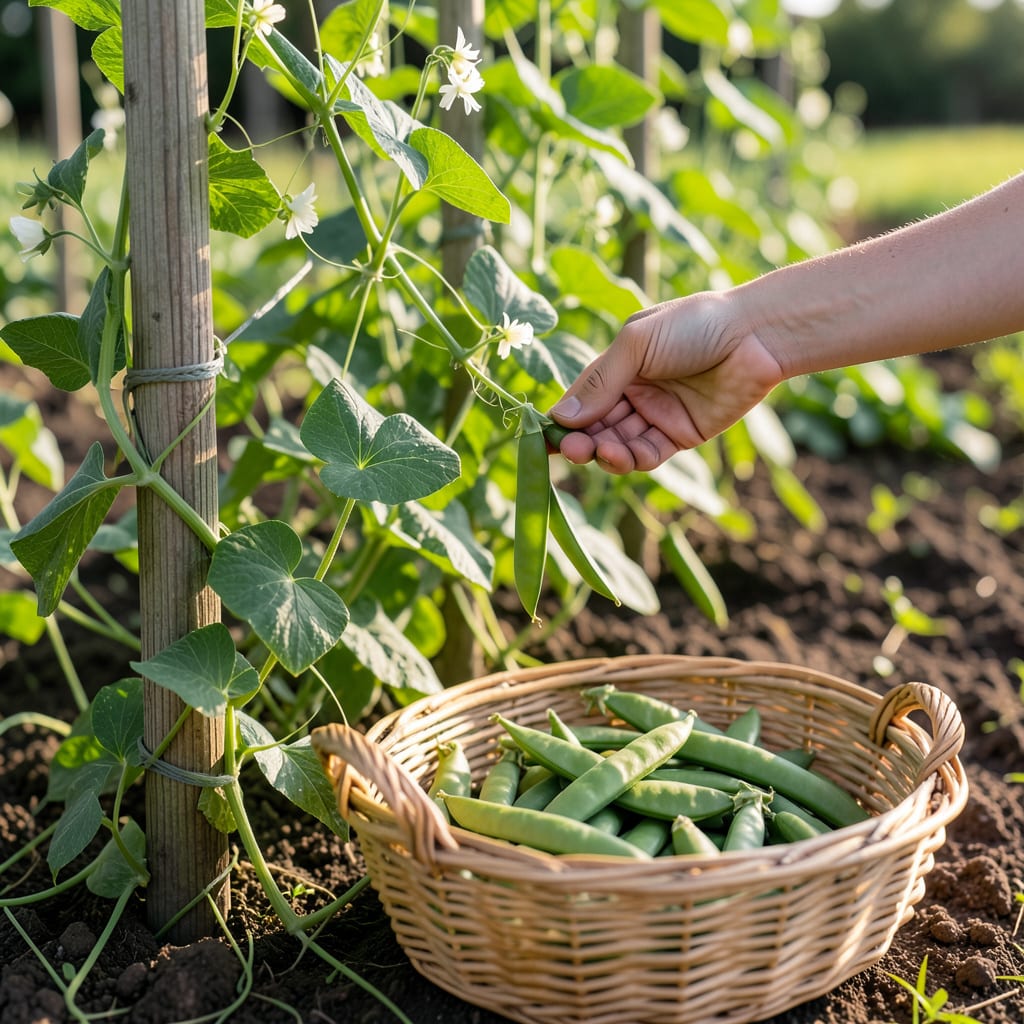
Nothing beats the satisfaction of plucking perfect snow peas straight from your garden. With 🌱Snow Peas, timing is everything for that ideal crisp texture.
I’ll show you the visual cues to watch for so you never miss the best harvest window. Let’s make every pod count this season.


Timing your snow pea harvest perfectly ensures the best flavor and texture. I look for plump pods that are 2-3 inches long with visible but underdeveloped peas inside.
The pods should be bright green and glossy, not dull or yellowing. When I gently bend the stem, it should snap easily, signaling peak readiness for picking.
| Harvest Sign | Description |
|---|---|
| Pod Size | 2-3 inches long |
| Pod Color | Bright green and glossy |
| Pea Visibility | Visible but not fully developed |
| Stem Test | Snaps easily when bent |
If the pods are flat and the peas inside are tiny, they’re not ready yet. I wait until they fill out slightly but remain tender.
On the other hand, yellowing pods or hard peas mean I’ve waited too long. The window for perfect harvest is small, so I check my plants daily once they start producing.
I also pay attention to the plant’s growth stage. Snow peas typically mature in 50-70 days after planting. Once the first pods appear, I start inspecting them every 2-3 days for readiness.
The texture of the pod is another key indicator. A ready snow pea should feel smooth and firm, not waxy or leathery. I run my fingers along the pod to confirm it’s at its peak.
I avoid harvesting when the plant is wet to prevent spreading diseases. Early morning, after the dew has dried, is my preferred time to pick. This keeps the plants healthy and the pods in the best condition.
By focusing on these visual and tactile cues, I ensure every snow pea I harvest is at its sweetest and crispiest. It’s a small effort that makes a big difference in quality. ✂️
To keep your snow pea plants producing, I harvest every 2-3 days during peak season. This frequent picking signals the plant to produce more pods instead of focusing on seed development.
I always use clean scissors or my fingernails to avoid damaging the delicate vines. Gentle handling ensures the plant stays healthy and continues to thrive throughout the growing season.
Morning is my preferred time to harvest because the pods are most crisp after the cool night. The plants are also less stressed from heat, making the process easier on both me and the vines.
I
If I notice any yellowing pods, I remove them immediately. These overripe peas won’t taste good and can signal the plant to stop producing new pods. Regular removal keeps the harvest coming.
By staying consistent with my harvesting routine, I ensure a steady supply of fresh, tender snow peas all season long. It’s a small effort that pays off with bountiful rewards 🌱
Even experienced gardeners can make harvesting mistakes with snow peas that reduce both yield and quality. I’ve learned that waiting too long is the most common error, leading to tough, fibrous pods that lose their sweetness.
Another mistake I see is harvesting when plants are wet, which can spread diseases like powdery mildew. I always wait for dry conditions and use clean tools to keep my snow pea vines healthy.
⚠️ Harvesting Warning: Never pull pods from the vine. Always use scissors or your fingernails to snip the stem cleanly to avoid damaging the plant.
I also avoid ignoring vine health during harvest. If I notice yellow leaves or weak stems, I address the issue immediately. Healthy vines produce the best snow peas, so I prioritize their care.
Picking too early is another pitfall. I check that pods are plump and bright green before harvesting. Underdeveloped peas won’t have the sweet flavor or crisp texture that make snow peas so enjoyable.
Finally, I never overlook daily checks during peak production. Snow peas can go from perfect to overripe in just 24-48 hours, so I stay vigilant to catch them at their best. ✂️
Pods turn dull or yellow and peas inside become hard. The texture shifts from crisp to leathery, and the flavor turns bitter rather than sweet.
Morning is ideal when pods are most crisp after the cool night. Plants are also less stressed, making it easier to handle without causing damage.
Pods will be flat with tiny, underdeveloped peas inside. They’ll lack the signature sweetness and crunch, so it’s best to wait for visible but tender peas.
Yes, but use your fingernails to snip the stem cleanly. Avoid pulling, which can damage the vine. Always handle vines gently to maintain plant health.
