
Beautiful Plants For Your Interior
Beautiful Plants For Your Interior
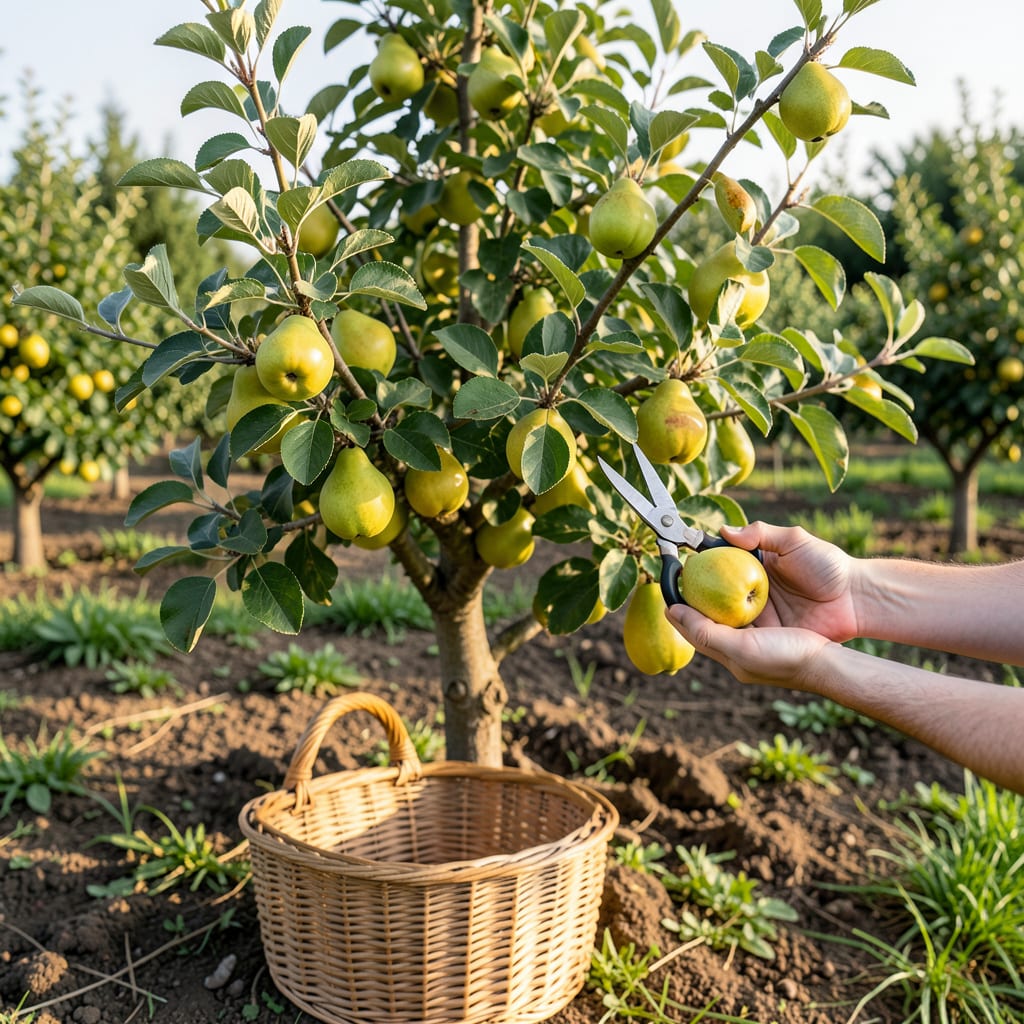
That moment when your 🍎 Quince shifts from stubbornly green to golden perfection is the key to unlocking its full potential. Miss it, and you might end up with rock-hard fruit that refuses to soften.
I’ve learned that timing this harvest right makes all the difference between a bitter disappointment and a fragrant, jam-ready treasure. Let me show you exactly what to look for.


Picking quince at the right time ensures the best flavor and fragrance. Unlike many fruits, quince doesn’t ripen well once off the tree, so timing is critical. I always look for visual and tactile cues to confirm readiness.
The most obvious sign is color change. As quince matures, it transitions from bright green to golden-yellow. This transformation is your first clue that harvest time is near. The shift is gradual, so check daily once it starts.
| Sign | Description | What to Look For |
|---|---|---|
| Color Change | Green to yellow/gold | Uniform golden hue |
| Fragrance | Sweet, floral aroma | Strong scent near stem |
| Fuzz | Hairy skin texture | Rubs off easily |
| Ease of Detachment | Fruit twists from branch | Comes off with gentle turn |
Another key indicator is aroma. Ripe quince emits a strong, sweet fragrance that’s hard to miss. I often cup the fruit in my hands and inhale deeply to check. If it smells floral and fruity, it’s ready.
The fuzz on the skin also changes as the fruit ripens. Early on, it’s thick and coarse. As harvest time nears, this fuzz begins to thin and will rub off easily when touched. This is a great tactile test.
Finally, test the ease of detachment. A ripe quince will twist off the branch with a gentle turn. If it resists or requires force, it’s not ready. I always use two hands—one to hold the branch and one to twist the fruit.
In cooler climates, a light frost can accelerate ripening. If frost is forecast, I harvest immediately, even if other signs aren’t perfect. Frost can damage the fruit, so it’s better to pick early than risk losing the crop.
For warmer regions, wait until all signs align. The longer growing season means you can afford to be patient. A fully ripe quince in these areas will have deep golden color and an intoxicating aroma.
If you’re unsure, pick one test fruit and let it sit indoors for a few days. If it softens and develops fragrance, the rest are likely ready. If not, wait a few more days and test again.
Pro tip: Always harvest quince before heavy frosts in fall. A sudden freeze can ruin the entire crop. When in doubt, early picking is safer than leaving them too long on the tree ✂️
Timing your quince harvest depends heavily on your climate zone. In cooler USDA zones 5-6, the fruit typically ripens in late September to October. The first light frost often signals peak ripeness in these regions.
For warmer zones 7-9, you’ll find quince ready in October to November. The longer growing season allows the fruit to develop its signature fragrance and golden hue more gradually.
| Climate Zone | Harvest Window | Key Indicator |
|---|---|---|
| USDA 5-6 | Late Sept – Oct | First light frost |
| USDA 7-8 | Oct – Early Nov | Color change to gold |
| USDA 9 | Mid Oct – Nov | Strong sweet aroma |
In mild coastal climates, quince may ripen slightly earlier due to consistent temperatures. Watch for the fuzz on the skin to thin and the fruit to twist easily from the stem.
For inland areas with hot summers, the harvest may shift later. The intense heat can delay ripening, so monitor color and fragrance closely. A golden-yellow hue and sweet scent are your best cues.
If you’re in a short-season region, start checking early varieties by mid-September. These often mature 2-3 weeks faster than standard types, giving you a head start on the harvest.
Pro tip: Keep a harvest journal to track ripening dates. Quince trees can vary year to year, but patterns will emerge over time. This helps you fine-tune your timing for future seasons ✂️
Picking quince too early results in hard, green fruit with little fragrance and high astringency. These won’t ripen properly off the tree and often remain tart and unpalatable.
Leave them too long, and overripe quince becomes mushy and bruised. The skin may split, and the flavor turns bland, losing that signature sweet-tart balance.
If you’ve picked early quince, try storing in a paper bag with a ripe apple or banana. The ethylene gas may help soften them slightly, though flavor won’t fully develop.
For overripe fruit, use immediately for preserves or discard if mushy. The pectin content remains high, making them good for jellies despite texture issues.
Best practice: Check a few fruits weekly as harvest season nears. When 80% show ripeness signs, it’s time for the full harvest. This ensures most of your crop is at peak quality ✂️
Look for a golden-yellow color and strong sweet fragrance. Gently press the fruit—it should yield slightly. The fuzz on the skin will also rub off easily when ripe.
No, quince doesn’t ripen well off the tree. It needs to mature fully before harvest for the best flavor and texture. Picking too early results in hard, tart fruit.
Overripe quince becomes mushy and bruised, with split skin and a bland flavor. The sweet-tart balance is lost, making it less ideal for preserves or desserts.
A light frost can actually enhance ripening, but a hard freeze will damage the fruit. Harvest immediately if heavy frost is forecast to avoid losing your crop.
