
Beautiful Plants For Your Interior
Beautiful Plants For Your Interior
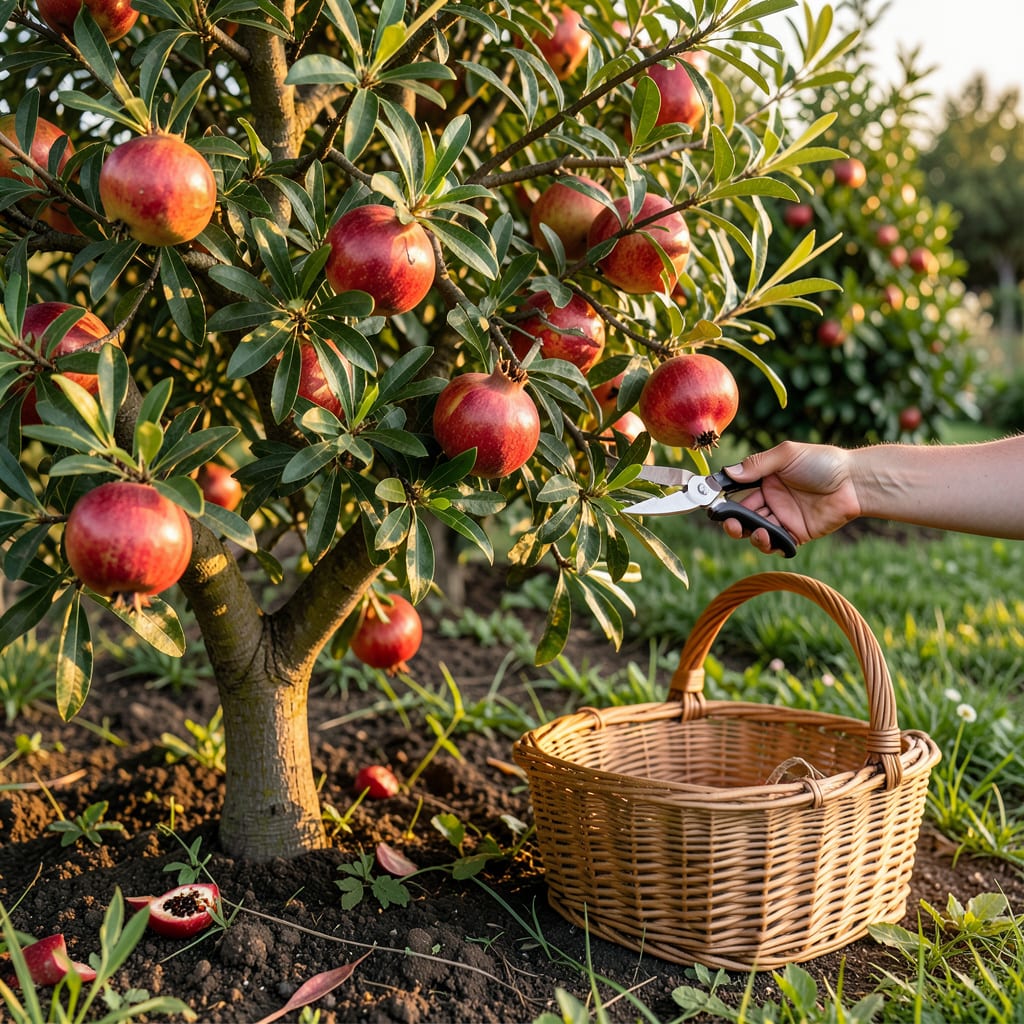
I used to guess when my 🍇 Pomegranate was ready, often picking it too early. That changed when I discovered the simple color and sound tests that reveal perfect ripeness every time.
No more tart disappointments—just sweet, juice-filled arils bursting with flavor. Here’s exactly how to know your fruit is at its peak.


I’ve learned that color is the first clue for pomegranate ripeness, but it’s not as simple as waiting for red. The skin transitions from green to yellow before deepening to its final hue. This change happens gradually over weeks.
For most varieties like Wonderful, look for a deep, rich red that covers at least 70% of the surface. Some types, like Haku Boton, turn pink or even yellow when ready. Always check the entire fruit, not just the sun-exposed side.
| Variety | Ripe Color | Notes |
|---|---|---|
| Wonderful | Deep red | Most common variety |
| Haku Boton | Pink to yellow | Japanese heirloom |
| Eversweet | Red with yellow | Sweet, seedless |
Don’t rely on color alone. I’ve seen fully red pomegranates that were still tart inside. The skin should also develop a leathery texture and may show slight cracking near the stem. These are signs the arils inside are plumping up.
Another visual cue is the blossom end. When ripe, this area often splits slightly, revealing a star-like pattern. This is natural and indicates the fruit is ready to burst with juice. If it’s still tightly closed, give it more time.
For yellow varieties, the challenge is greater since green and yellow can look similar. I check for a dull, matte finish rather than a shiny one. The skin will also feel slightly rough to the touch when ready.
Remember that sun exposure affects color development. Fruits in full sun may ripen 1-2 weeks earlier than those in partial shade. Rotate your pomegranates if they’re in containers to ensure even coloring.
If you’re unsure, compare fruits on the same tree. The first to color up are usually the ripest. I mark these with garden twine to track their progress over several days before picking.
Finally, consider your local climate. In cooler zones like USDA 7, pomegranates may take longer to ripen than in warmer areas like USDA 11. Adjust your expectations based on your growing conditions.
With these color cues, you’ll never pick an underripe pomegranate again. Combine them with the sound test for foolproof results every harvest season. 🌿
I used to think pomegranate ripeness was all about color depth, but then I discovered the sound test. It’s surprisingly simple and accurate.
When you gently tap a ripe pomegranate, it emits a metallic or hollow sound. This indicates the arils inside are plump and juicy.
An unripe pomegranate will produce a dull thud, signaling the seeds aren’t fully developed. This test works best on mature fruit in late summer.
I’ve found the sound test works hand-in-hand with color changes. A deep red hue plus a hollow tap is the ideal combo for harvesting.
For early varieties like Wonderful, start testing around August. Later types may need until October to develop that perfect ring.
Remember, temperature affects ripening. In cooler climates, the sound may develop later. Always combine the tap test with visual cues for best results.
Once you master this method, you’ll never pick an underripe pomegranate again. It’s a game-changer for home gardeners 🌿
Timing your pomegranate harvest depends heavily on variety and local climate. In my experience, Wonderful pomegranates typically ripen in late September to early October in most zones.
For Haku Boton, expect to pick in mid-October when its unique pink-yellow hue develops. Climate plays a role too—warmer zones like USDA 11 may see earlier harvests than cooler USDA 7 regions.
| Variety | Harvest Window | Climate Notes |
|---|---|---|
| Wonderful | Sept-Oct | Early in warm zones |
| Haku Boton | Mid-Oct | Needs full sun |
| Eversweet | Aug-Sept | Heat-tolerant |
In cooler climates, I recommend using a soil thermometer to track warmth. Pomegranates ripen fastest when soil temps stay above 70°F. Frost can damage unharvested fruit, so pick before first frost in your area.
For container-grown pomegranates, the harvest window may shift earlier. The confined roots often accelerate ripening. I’ve noticed my potted Eversweet ready by late August in Zone 8.
Remember that microclimates matter. A south-facing wall can create a warmer pocket, ripening fruit 1-2 weeks earlier than shaded areas. Observe your specific conditions each season.
With these variety and climate guidelines, you’ll time your harvest perfectly for maximum sweetness every year. 🌿
Look for a deep, rich color covering most of the fruit and a leathery texture on the skin. The blossom end may also split slightly when ripe.
A ripe one produces a metallic or hollow sound. An unripe fruit will make a dull thud. Test near the blossom end for best results.
No, pomegranates do not ripen off the tree like some other fruits. They must fully ripen on the plant for the best flavor and juice content.
Yes! In warmer zones, they may ripen 1-2 weeks earlier. Cooler climates often need the full season, so monitor color and sound closely.
